
Has the shape or size of your nose been a lifelong insecurity? Do you find yourself scrutinizing your profile in every mirror or camera, wishing you could refine the aspect that draws your focus? You’re not alone. Rhinoplasty in Korea, commonly known as a nose surgery or “Korean nose job“, is one of the most sought-after cosmetic or aesthetic plastic surgery procedures worldwide. The surgical procedure is aimed at reshaping or reconstructing the nose. This versatile plastic surgery procedure can be performed for both cosmetic and medical reasons, including correcting breathing issues, repairing deformities from injury, or enhancing the nose’s aesthetic appearance.
Cosmetically, Korean nose plastic surgery can refine the size and shape of the nose to create better facial harmony and boost self-confidence. Medically, it can correct structural problems that cause breathing difficulties, such as a deviated septum or nasal obstructions. The surgery can also address congenital disabilities or trauma-related deformities, restoring both function and appearance.
At Banobagi Korea Plastic Surgery clinic, we specialize in a range of rhinoplasty procedures tailored to meet the diverse needs and goals of our patients. Our expertise includes:
1. Augmentation Rhinoplasty
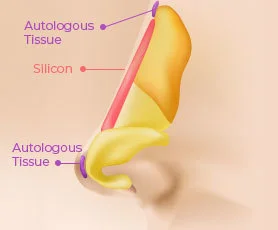
This procedure, often referred to as a nose job, is designed to enhance the size and shape of the nose, often using implants or grafts to achieve a more balanced and harmonious facial appearance. It’s one of the most popular facial plastic surgeries and is ideal for individuals seeking to add height or projection to their nasal bridge for a more beautiful nose. You can read more about this cosmetic surgery procedure here.
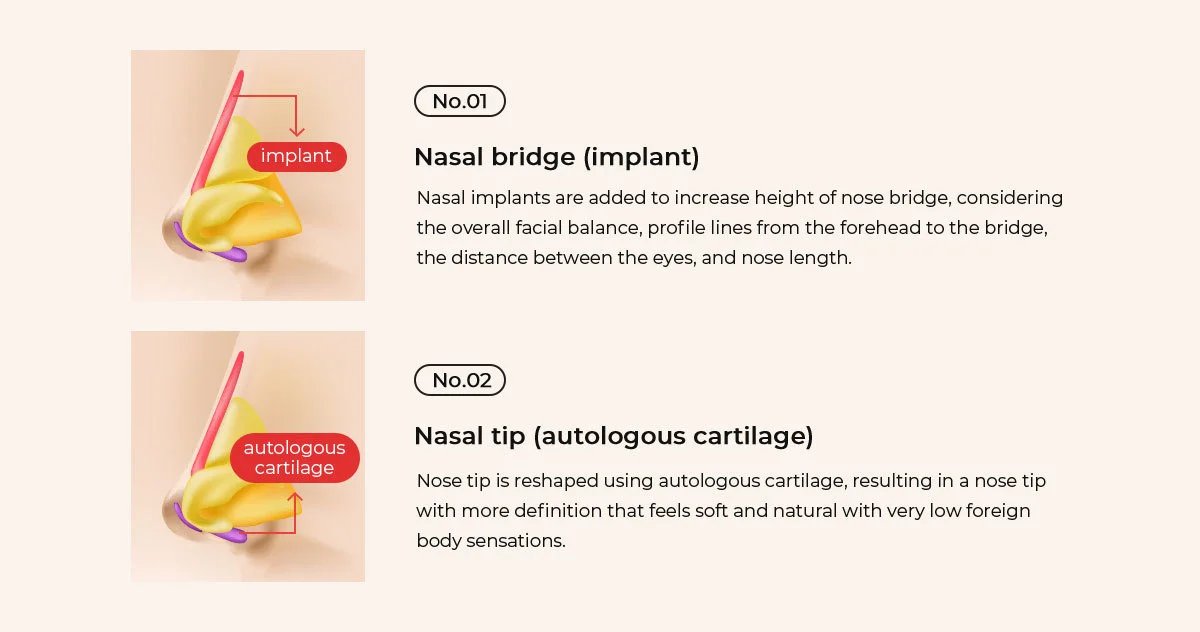
What to Expect During and After Augmentation Rhinoplasty
Augmentation rhinoplasty is typically a nose surgery procedure that takes about two hours to complete. During the operation, sedation general anesthesia is used to ensure the patient’s comfort. After the surgery, patients are usually discharged on the same day, allowing them to recover in the comfort of their own home. Stitch removal is scheduled for about ten days post-operation, requiring two follow-up visits to the clinic. Most patients can resume their daily activities within 7-10 days, although full recovery and the final results may take several months to become fully apparent.
2. Reduction Rhinoplasty
Reduction rhinoplasty is designed to decrease the size of the nose, addressing various concerns to create a more proportionate and refined nasal contour. In Banobagi Korea Plastic Surgery clinic, this nose surgery procedure can be divided into three main categories: hump removal, wide nose correction, and deviation correction.
Hump Removal
Hump removal focuses on eliminating the dorsal hump, a prominent bump on the nasal bridge. This procedure involves reshaping the bone and cartilage to create a smoother, more streamlined profile. By carefully sculpting the nasal bridge, our plastic surgeons can achieve a more aesthetically pleasing and balanced appearance, enhancing the overall harmony of the facial features.
Wide Nose
Correcting a wide nose focuses on making the nose narrower for a more refined appearance. This procedure involves reducing the width of the nasal bones and reshaping the cartilage to create a slimmer, more balanced nose. Addressing the broadness of the nasal bridge and nose tip can significantly enhance facial symmetry and overall attractiveness through this plastic surgery.
Deviation

Deviation correction addresses a crooked or asymmetrical nose, often caused by trauma or congenital issues. This cosmetic surgery involves straightening the nasal structure, aligning the septum, and ensuring both functional and aesthetic improvements. Correcting nasal deviation can improve breathing and restore facial balance, resulting in a more harmonious and symmetrical appearance.
3. Alarplasty
Alarplasty is a surgical plastic surgery procedure specifically focused on the nostrils, aiming to reduce their width or flare. By carefully reshaping the alar region (the outer edges of the nostrils), this surgery creates a more delicate and balanced appearance. Alarplasty is particularly popular among individuals who feel that their nostrils are too wide or asymmetrical, as it can refine the nasal shape and enhance overall facial harmony.
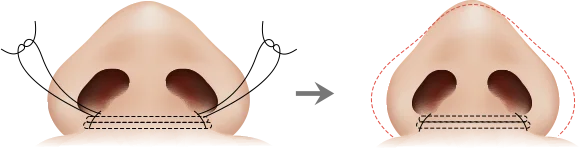
This aesthetic plastic surgery procedure involves making precise incisions at the base of the nostrils or inside them. The surgeon then removes a small amount of tissue, which narrows the nostrils for a more proportionate and balanced look. This is a great option for patients who want a more refined nose that complements their facial features without changing the overall shape of their nose.
4. Functional Rhinoplasty
Beyond aesthetics, functional rhinoplasty is a surgical procedure that addresses structural issues in the nose that impede breathing. This type of rhinoplasty focuses on improving the functionality of the nose while also enhancing its appearance, offering both health benefits and cosmetic improvements.
One common issue that functional rhinoplasty addresses is a deviated septum. The septum is the wall of cartilage that divides the nasal passages, and when it is crooked or off-center, it can cause significant breathing difficulties. By surgically correcting the deviation, the nasal passages are realigned, allowing for better airflow and improved breathing. This procedure can also be combined with a rhinoplasty to improve the nose tip or bridge for a more balanced appearance.
Functional rhinoplasty, often called a nose job for breathing issues, also addresses other nasal obstructions that impair breathing, such as rhinitis. Rhinitis is a condition characterized by persistent inflammation of the nasal mucous membranes, which can lead to symptoms like nasal congestion, a runny nose, sneezing, and itching. Structural issues within the nose, like a deviated septum, enlarged turbinates, or nasal polyps, can worsen rhinitis and make long-term relief difficult with medications alone. By surgically correcting these anatomical abnormalities, this nose job improves airflow, which can alleviate rhinitis symptoms and can also enhance the appearance of the nose tip.
Our functional rhinoplasty plastic surgery procedures can also correct issue such as Sinusitis and Nasal Valve Stenosis. You can read more it in our functional rhinoplasty procedure page.
5. Nose Revision
Nose revision, also known as revision rhinoplasty, is a highly individualized procedure, tailored to meet each patient’s unique needs and goals. Our surgeon meticulously evaluates the existing nasal structure, scar tissue, and any functional problems to develop a comprehensive surgical plan.
This plan may involve reshaping the bone and cartilage, using grafts to provide additional support, or adjusting the nose tip and bridge to achieve better symmetry and proportion. We aim to correct any issues from previous surgeries and ensure a more harmonious and satisfactory result.
Conclusion
At Banobagi Korea Plastic Surgery clinic, we offer a comprehensive range of rhinoplasty procedures designed to address various aesthetic and functional concerns. Whether you are looking to enhance the size and shape of your nose through augmentation rhinoplasty, reduce its prominence with reduction rhinoplasty, or refine the nostrils with alarplasty, our skilled surgeons are here to help you achieve your desired results.
1. How long does is Rhinoplasty or Nose Job procedure recovery time?
Recovery time varies from person to person, but generally, patients can expect to resume their daily activities within 7-10 days after surgery. Full recovery and the final results may take several months as the swelling gradually subsides and the nose settles into its new shape.
2. Will I have visible scars after rhinoplasty?
Most rhinoplasty incisions are made inside the nostrils (closed rhinoplasty), which means there are no visible scars. If an open rhinoplasty approach is used, a small incision is made across the columella (the tissue between the nostrils), but this typically heals well and becomes minimally visible over time.
3. Is rhinoplasty or nose job painful?
Rhinoplasty is performed under anesthesia, so you will not feel pain during the procedure. Post-surgery discomfort can be managed with prescribed pain medication. Most patients report feeling mild discomfort rather than significant pain.
4. Does rhinoplasty, an aesthetic plastic surgery, address both the aesthetic and functional issues of a beautiful nose?
Yes, functional rhinoplasty can address structural issues such as a deviated septum, enlarged turbinates, or nasal valve collapse, which can improve airflow and alleviate breathing problems. This type of rhinoplasty not only enhances the nose’s appearance but also its function.
5. What is the difference between augmentation and reduction rhinoplasty?
Augmentation rhinoplasty aims to enhance the size and shape of the nose, often using implants or grafts to add height or projection. Reduction rhinoplasty, on the other hand, focuses on decreasing the size of the nose by removing excess bone or cartilage to create a more proportionate and refined nasal contour.
6. How do I know if I need a revision rhinoplasty?
If you are dissatisfied with the results of a previous nasal surgery due to aesthetic concerns, functional issues, or both, you may be a candidate for revision rhinoplasty. A consultation with a qualified plastic surgeon can help determine if revision surgery is appropriate and develop a comprehensive plan to address your specific needs.
7. Can you tell me more about Banobagi Plastic Surgery Clinic, Plastic Surgeons and Chief Surgeon?
Our clinic, Banobagi Plastic Surgery, was founded in 2000 by four plastic surgeons who were trained at Seoul National University. Today, our team consists of specialized plastic surgeons, many of whom hold Ph.D.s and are board-certified. We operate under a safe surgery commitment with a “real-name surgeon identification system,” which means the surgeon you consult with will be the one who performs your entire procedure, from the initial consultation to your post-operative care.
Our chief surgeon, Dr. Jaesang Ban, is one of the clinic’s founders and is a highly respected surgeon in Korea, especially for facelift, breast, and body procedures. We believe in providing natural-looking results and will never recommend an unnecessary procedure. Patient safety is our top priority, which is why we have advanced operating room systems and a dedicated medical team that includes four anesthesiologists present during surgeries.
8. Do you provide services for international patients, including post-operative care?
Yes, we welcome international patients and have a dedicated team to assist you every step of the way. Our services include multilingual staff and interpreters for various languages, online consultation services, and assistance with airport transfers and accommodation. We also pride ourselves on offering extensive clinical experience, personalized care, and comprehensive post-operative care and follow-ups to ensure a smooth and comfortable experience throughout your entire journey with us.
9. What are some common concerns many patients have about rhinoplasty?
Many patients are concerned about achieving a natural-looking result, the potential for a long and painful recovery, and the risk of complications. They also often worry about whether the final outcome will meet their expectations. At Banobagi, our expertise is built on a “real-name surgeon identification system” and a commitment to patient safety, helping to alleviate these concerns. We prioritize natural-looking results and avoid unnecessary procedures, ensuring that our patients’ expectations are both realistic and achievable.
10. Do you do online consultation?
At Banobagi, while we do not offer a final diagnosis or definitive surgical plan online, we are happy to conduct a preliminary online assessment to help you start your journey, especially for common concerns like a bulbous nose or issues with the nose bridge.
11. I can’t describe my problem well but there’s something wrong with my nose. Are you able to help?
Yes, absolutely! We understand that it can be difficult to describe your concerns precisely, but we are definitely able to help you. It’s very common for patients to feel there’s something “wrong” with their nose—whether it’s a bulbous nose tip, a low nose bridge, or a short nose—without knowing the exact terms.
Our experienced surgeons and patient coordinators specialize in listening to your concerns and conducting a detailed analysis to achieve natural results.
Begin Your Journey
Connect with our expert surgeons to discuss your goals and discover the ideal approach tailored to you.
Why Choose Banobagi?
Two decades. Thousands of procedures. One standard: if it looks done, it's not done well enough. Every Banobagi surgeon operates within a tight specialisation. Fewer procedure types, more mastery. That's the model, and it works. We're not the only clinic in Korea. We're the one other clinics measure themselves against.


 E-MAIL
