
















EYELID REVISION SURGERY

FIRST YET LAST REVISION SURGERY

EYELID REVISION SURGERY

FIRST YET LAST REVISION SURGERY

Eyelid Revision — EYELIDREVISION SURGERY

EYELID

REVISION SURGERY

  • Eyelid Revision — OPERATION TIME — About 1 hr.

    OPERATION TIME

    About 1 hr.

  • Eyelid Revision — ANESTHESIA — Local anesthesia and Sedation

    ANESTHESIA

    Local anesthesia and Sedation

  • Eyelid Revision — STITCH REMOVAL — After about 5~7 days

    STITCH REMOVAL

    After about 5~7 days

  • Eyelid Revision — HOSPITALIZATION — Discharged on the day

    HOSPITALIZATION

    Discharged on the day

  • Eyelid Revision — FOLLOW-UPS — 1 visit for stitch removal

    FOLLOW-UPS

    1 visit for stitch removal

  • Eyelid Revision — RECOVERY — May resume daily activities in 3~5 days

    RECOVERY

    May resume daily activities in 3~5 days

BANOBAGI PLASTIC SURGERY

SUITABLE FOR THOSE

  • Case.01

    I want to adjust the
    height and indentation

    (depth) of my double
    eyelid folds

  • Case.02

    I want to improve my
    loose and asymmetric

    double eyelid folds

  • Case.03

    I want to readjust the
    result
    of my previous
    ptosis correction

  • Case.04

    I have visible scars
    and can’t close my
    eyes
    after my previous
    eye surgery

  • Case.05

    My eyelids get
    droopy and sleepy
    as I’m getting older

Eyelid Revision — Exclamation Mark

※ After undergoing the first surgery, it is
recommended to wait at least six months
(after the scar has healed and tissues have
stabilized)
before deciding on a revision
surgery.

※ For patients who have undergone
multiple revision surgeries, it is recommended
to wait at least 1 year since last surgery

before considering another.

※ In some special cases, it is recommended
to have a surgery within two weeks before
the scar becomes raised and hard.

SURGERY METHOD

  • Eyelid Revision — Thick and Swollen Double Eyelid Creases

    Thick and Swollen Double Eyelid Creases

    Reshapes the tissues and lines
    of the upper eyelids by
    considering the ideal thickness
    of the creases and amount of
    tissues left

  • Eyelid Revision — Asymmetric Double Eyelid Creases

    Asymmetric Double Eyelid Creases

    Improves asymmetry by
    considering various factors
    such as the size of the eyes,
    the distance between the eyes
    and the eyebrows, and the
    difference in the degree of
    depression between both eyes

  • Eyelid Revision — Loose Double Eyelid Creases

    Loose Double Eyelid Creases

    Creates double eyelid creases
    using the most suitable
    surgical method according to
    individual eye conditions and
    patient's needs

  • Eyelid Revision — Severe Scars — Corrects the creases by cutting out excess tissue or scarred areas of the eyelids

    Severe Scars

    Corrects the creases by cutting
    out excess tissue or scarred
    areas of the eyelids

  • Eyelid Revision — Multiple Double Eyelid Creases

    Multiple Double Eyelid Creases

    Eliminates unnecessary
    adhesions and scars from
    previous surgeries and forms
    one clear line (additional
    blepharoplasty is performed
    in the case of ptosis)

  • Eyelid Revision — High Position of Double Eyelid Creases — Loosens previous knots and adjusts downward from the high crease height

    High Position of Double Eyelid Creases

    Loosens previous knots and
    adjusts downward from the
    high crease height

  • Eyelid Revision — Thin Double Eyelid Creases — Applies the most suitable surgical method according to individual eye conditions and patient's needs

    Thin Double Eyelid Creases

    Applies the most suitable
    surgical method according to
    individual eye conditions and
    patient's needs

  • Eyelid Revision — Aging-Induced Droopy Eyelids

    Aging-Induced Droopy Eyelids

    Improves the appearance of
    the upper eyelids by removing
    droopy skin (upper blepharopl
    asty) or employing other
    incision methods

ONLY AT BANOBAGI

Eyelid Revision — ONLY AT BANOBAGI
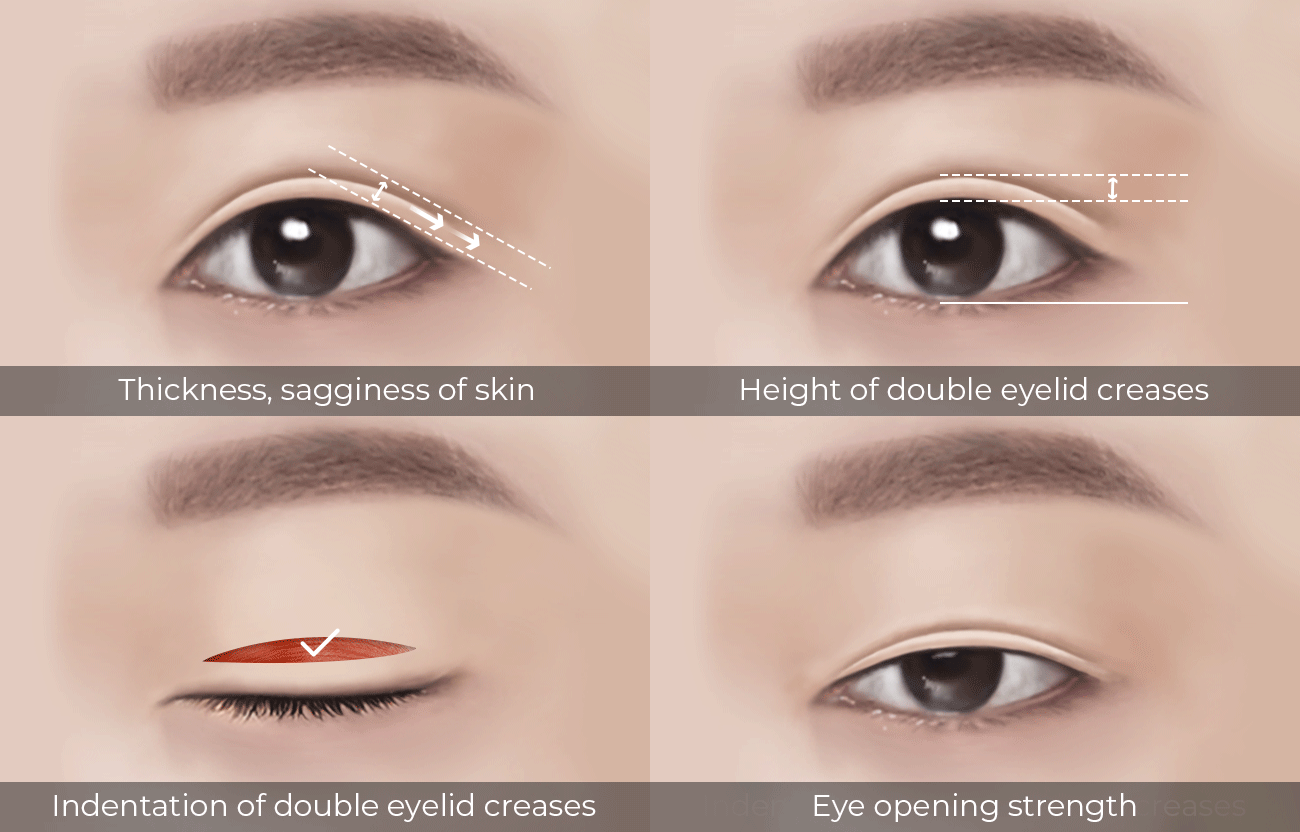
  • Personalized surgical procedure considering skin
    thickness, sagginess, and eye opening strength
  • Correction of damaged eye structure and functional
    issues
  • Skillful surgical techniques based on several cases to
    ensure precise loosening and adhesion dissection,
    leaving minimal scar and tissue damage
  • Personalized design to align the eye shape with other
    parts of the face considering individual face proportions
    and features

BANOBAGI’s Key Values

Eyelid Revision — Carefully selected top-notch medical devices and pharmaceuticals in use
Carefully selected top-notch medical devices and pharmaceuticals in use
Eyelid Revision — System established to improve accessibility and convenience for foreign customers through 1:1 coordinator assignments, accommodations, and transportation
System established to improve accessibility and convenience for foreign customers through 1:1 coordinator assignments, accommodations, and transportation
Eyelid Revision — Team of full-time anesthesiologists
Team of full-time anesthesiologists
Eyelid Revision — Surgical transparency using the surgeon’s real-name system
Surgical transparency using the surgeon’s real-name system
Eyelid Revision — Board certified plastic surgery specialist with extensive clinical experiences and know-how as an expert
Board certified plastic surgery specialist with extensive clinical experiences and know-how as an expert
Eyelid Revision — Customized diagnosis and expertise built through years of research and efforts for individual foreign customers
Customized diagnosis and expertise built through years of research and efforts for individual foreign customers

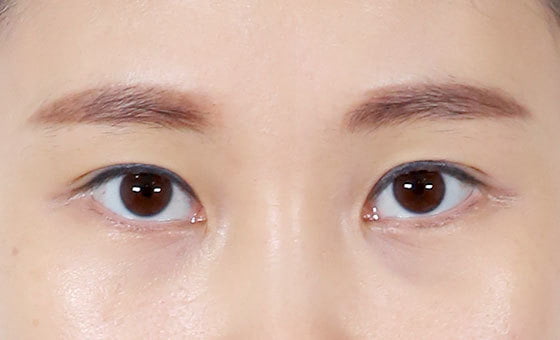
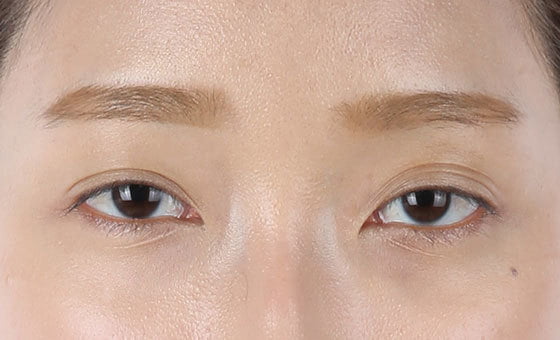
BEFORE & AFTER

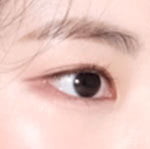
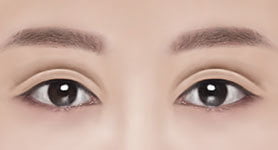
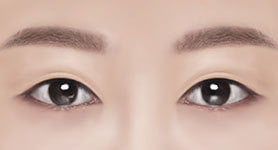
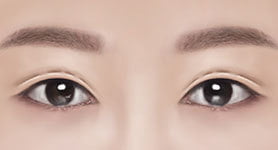
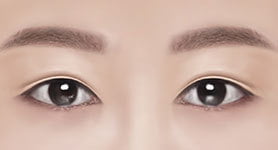
Eyelid Revision — Before treatment Eyelid Revision — After treatment
BEFORE AFTER
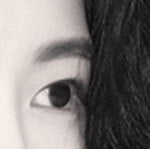
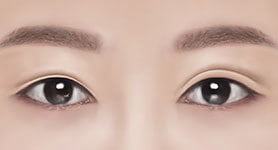
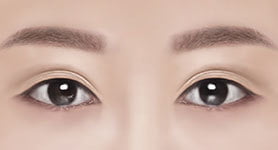
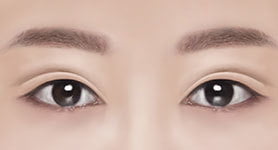
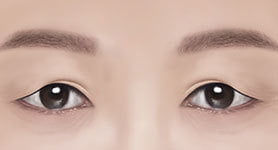
Eyelid Revision — Before treatment Eyelid Revision — After treatment
BEFORE AFTER

Frequently Asked
Questions

Several problems can create an unsatisfactory result, and more than one may be present. Early swelling can make a crease look high or uneven, while mature scar tissue can pull the eyelid into an unwanted fold. The surgeon also checks eyelid-lifting strength, how much skin and fat remain, and whether a low brow is adding heaviness. Revision should target the actual cause rather than simply repeat the first operation.

Most appearance concerns are judged after the eyelid has softened and the scar has matured, often around six months after surgery. After several previous operations, waiting closer to a year may provide a clearer and safer surgical area. Earlier treatment may be needed if the eye cannot close, the clear surface is exposed, a stitch is causing injury, or another problem threatens comfort or vision.

A high or deep crease can often be improved, although old scar lines may not disappear completely. Revision usually releases the old attachments and creates a softer crease at a lower level. If too much tissue was removed previously, the surgeon must preserve or restore enough fullness to avoid a visible depression. The aim is one natural-looking main fold, but some faint secondary lines may remain because of earlier scarring.

Yes. A weak or faded crease can be strengthened by placing new support stitches at the correct height and depth. The surgeon may also release scar tissue or reduce a small amount of fullness if either is preventing the fold from forming evenly. The stitches should be strong enough to hold the crease without creating a sharp groove. Some difference between the two sides may remain because the underlying eyelids are not identical.

Scar tissue is released only where it is pulling the eyelid, creating extra folds, or blocking normal movement. Healthy skin, eyelid muscle, and fat are preserved because they protect closure and help the eyelid look soft. Removing every firm area can make the lid thin, hollow, or weak. The goal is to free the tissues enough to create a better crease while keeping as much healthy padding and movement as possible.

When too much skin or fat has been removed, the first priority is comfortable eye closure and protection from dryness. Tight scar tissue may be released so the remaining skin can move more freely. Hollowness may sometimes be improved with carefully placed fat, although transferred fat is not identical to the original eyelid tissue. Full restoration may not be possible, and further skin removal should be avoided when the eyelid is already short or tight.

Yes, if the height difference is caused by a missed or unevenly corrected eyelid-lifting muscle. The surgeon can adjust the weaker side, release a side that was lifted too high, and refine the crease to match the new position. Swelling must first be allowed to settle because it can temporarily change eyelid height. Perfect symmetry may not be possible when the eyes, brows, or muscles were different before surgery.

Often, yes. An open incision gives the surgeon enough visibility to release old scar tissue, lower a high crease, adjust fat, or repair the eyelid-lifting muscle. A small stitch-only revision may still be possible when the problem is limited to a loose buried stitch and there is little scarring. Once several layers have been altered, an open approach usually provides more control and a more predictable correction.

Yes. Revision swelling may last longer because previous surgery has left scar tissue and changed normal fluid drainage. Bruising and obvious puffiness often improve within one to two weeks, but firmness and unevenness may continue for several months. The crease can keep softening for three to six months or longer after multiple operations. Rapidly increasing swelling, severe pain, vision change, or worsening difficulty closing the eye requires prompt assessment.

Each additional operation can create more scar tissue and may worsen dryness, incomplete closure, or asymmetry. Risk is higher when too much skin or fat was removed previously or when eyelid height must be changed substantially. Careful surgery can reduce these risks but cannot remove them completely. Protecting blinking and the eye surface may require accepting a small remaining difference rather than pursuing perfect symmetry at the expense of function.

There is no fixed number that is safe for everyone. Each operation adds scar tissue and can reduce healthy skin, fat, and blood supply, making the next revision less predictable. After several procedures, surgery should be considered only when there is a clear problem that can realistically be improved. Sometimes observation or a small targeted correction is safer than another complete redesign of the eyelid.

A realistic goal is clear improvement, not perfectly identical eyelids. Revision may create a more even crease, softer depth, better opening, or more comfortable closure. Previous scars, missing tissue, muscle strength, brow position, and natural eye shape limit what can be changed. Old secondary folds may fade without disappearing completely, and lost fullness may only partly return. Function and eye protection should come before small cosmetic differences.

BANOBAGI PLASTIC SURGERY

BETTER TOGETHER

CONTACT US

517 Nonhyeon-Ro, Gangnam-Gu, Seoul Korea

X

emailicon E-MAIL

english@banobagi.com

Please feel free to contact us,
and we will reply you as soon as possible.
go-top