



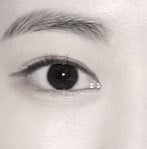










EYELID PTOSIS CORRECTION

CORRECT WEAKENED MUSCLES THAT RESULT IN DROOPING EYELIDS

EYELID PTOSIS CORRECTION

CORRECT WEAKENED MUSCLES THAT RESULT IN DROOPING EYELIDS

Ptosis Correction Non Incisional — NON-INCISIONALPTOSIS CORRECTION

NON-INCISIONAL

PTOSIS CORRECTION

  • Ptosis Correction Non Incisional — OPERATION TIME — About 1 hour.

    OPERATION TIME

    About 1 hour.

  • Ptosis Correction Non Incisional — Anesthesia — Local anesthesia and Sedation

    Anesthesia

    Local anesthesia and Sedation

  • Ptosis Correction Non Incisional — Stitch Removal — After about 3~5 days

    Stitch Removal

    After about 3~5 days

  • Ptosis Correction Non Incisional — Hospitalization — Discharged on the day

    Hospitalization

    Discharged on the day

  • Ptosis Correction Non Incisional — Follow-ups — 1 visit for stitch removal

    Follow-ups

    1 visit for stitch removal

  • Ptosis Correction Non Incisional — Recovery — May resume daily activities in 3~5 days

    Recovery

    May resume daily activities in 3~5 days

BANOBAGI PLASTIC SURGERY

SUITABLE FOR THOSE

  • Case.01

    I have droopy
    and thin
    eyelid skin

  • Case.02

    I don’t have much
    fat
    on the eyelids

  • Case.03

    Level of ptosis
    is mild

  • Case.04

    I want ptosis
    correction
    but
    scarring is a concern

  • Case.05

    I have sleepy
    and tired
    -looking
    eyes

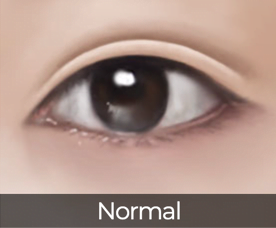
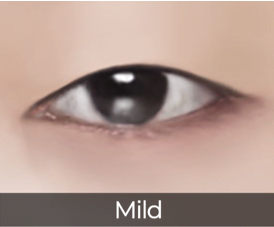
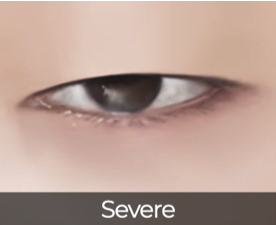
GRADING IN EYE PTOSIS

Ptosis correction must be customized for each individual as the level of ptosis differs for each person

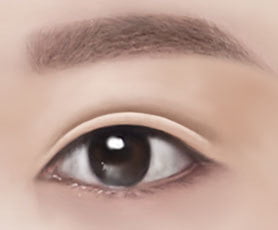

  • Ptosis grading — Normal eyelid position
  • Ptosis grading — Mild ptosis
  • Ptosis grading — Moderate ptosis
  • Ptosis grading — Severe ptosis

SURGERY METHOD

  • Ptosis Correction Non Incisional — Before surgery with moderate level of ptosis
    01

    Before surgery with moderate level of ptosis

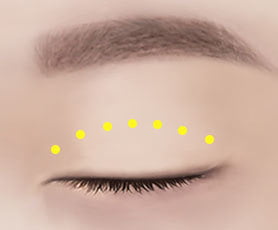
  • Ptosis Correction Non Incisional — 5~7 micro incision holes made and designed for each individual
    02

    5~7 micro incision holes made and designed for each individual

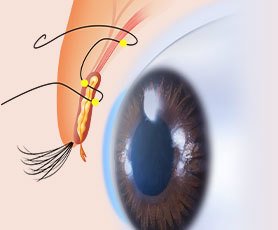
  • Ptosis Correction Non Incisional — Muscles tied together through the micro holes
    03

    Muscles tied together through the micro holes

  • Ptosis Correction Non Incisional — Length of muscles shortened
    04

    Length of muscles shortened

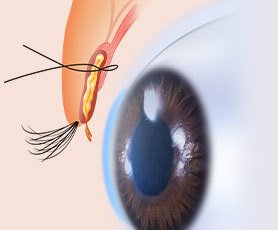
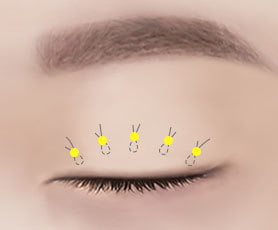
  • Ptosis Correction Non Incisional — Tied with double knot method for a stronger fix
    05

    Tied with double knot method for a stronger fix

  • Ptosis Correction Non Incisional — Resulting in brighter and bigger eyes
    06

    Resulting in brighter and bigger eyes

ONLY AT BANOBAGI

Ptosis Correction Non Incisional — ONLY AT BANOBAGI
  • No more sleepy and tired-looking eyes through ptosis
    correction
  • Natural-looking yet defined eyes
  • Results customized for each individual’s facial
    proportion, length, and features
  • Short surgery time and minimal scarring

BANOBAGI’s Key Values

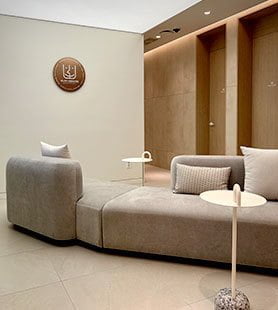
Ptosis Correction Non Incisional — Relaxing and comfortable facility
Relaxing and
comfortable facility
Ptosis Correction Non Incisional — System established to improve accessibility and convenience for foreign customers through 1:1 coordinator assignments, accommodations, and transportation
System established to
improve accessibility and
convenience for foreign
customers through
1:1 coordinator assignments,
accommodations,
and transportation
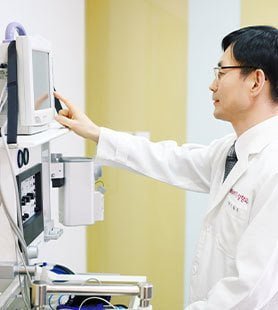
Ptosis Correction Non Incisional — Team of full-time anesthesiologists
Team of full-time
anesthesiologists
Ptosis Correction Non Incisional — Surgical transparency using the surgeon’s real-name system
Surgical transparency
using the surgeon’s
real-name system
Ptosis Correction Non Incisional — Board certified plastic surgery specialist with extensive clinical experiences and know-how as an expert
Board certified
plastic surgery specialist
with extensive clinical
experiences and
know-how as an expert
Ptosis Correction Non Incisional — Customized diagnosis and expertise built through years of research and efforts for individual foreign customers
Customized diagnosis
and expertise built
through years of research
and efforts for individual
foreign customers

BEFORE & AFTER

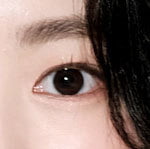
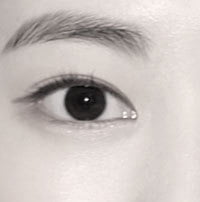
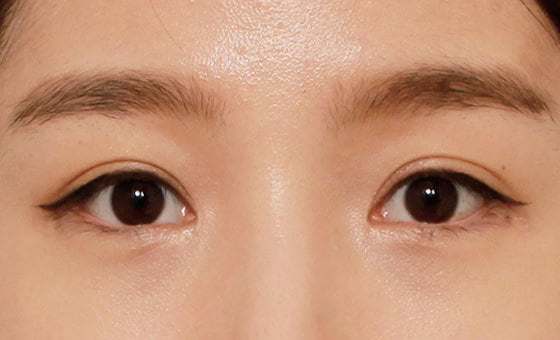
Ptosis Correction Non Incisional — Before treatment Ptosis Correction Non Incisional — After treatment
BEFORE AFTER
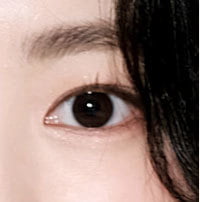
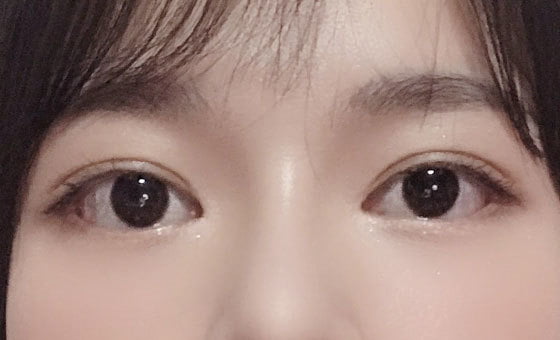
Ptosis Correction Non Incisional — Before treatment Ptosis Correction Non Incisional — After treatment
BEFORE AFTER

Frequently Asked
Questions

This method works best for mild ptosis when the eyelid-lifting muscle is reasonably strong and the eyelid is not very thick or heavy. It is less predictable for severe drooping, weak muscle movement, substantial excess skin, or large differences between the two eyes. Examination measures how much of the pupil is covered and how well the eyelid lifts. If stronger correction is needed, an incisional procedure usually provides better control.

Both procedures use small openings and buried stitches, but they have different goals. Non-incisional double-eyelid surgery mainly connects the skin to deeper tissue to create a crease. Non-incisional ptosis correction places stitches to improve the pull of the eyelid-lifting muscle and raise the eyelid edge. Ptosis correction may also create or strengthen a crease, but the main purpose is improving eyelid height and opening strength.

Several tiny openings are made along the planned eyelid crease instead of one continuous incision. Fine buried stitches connect the eyelid-lifting tissues so they pull more effectively. The number and depth of the stitches depend on the amount of drooping and the thickness of the eyelid. Because the knots are placed beneath the skin, they are usually not visible once swelling has settled.

Thick eyelids, substantial fat, loose skin, or weak eyelid muscles can make a stitch-only correction less reliable. The procedure cannot remove significant excess skin, and buried stitches may loosen more easily in heavy tissue. Mild differences between the eyes can sometimes be balanced by adjusting stitch tension. Larger differences or weak muscle function usually require an incisional approach that allows the surgeon to see and adjust the lifting muscle directly.

It can do either. The buried stitches are usually placed along a planned crease, so they may create a new fold, strengthen an existing one, or slightly change its height. The crease must be planned together with the new eyelid position because lifting the eyelid changes how much skin shows above the lashes. The goal is a crease that matches the improved opening without looking unusually high or deep.

The eyelids may look slightly too open or uneven during the first few weeks because swelling affects each side differently. Bruising and obvious puffiness often improve within one week, while smaller height differences can continue settling for four to eight weeks. The result becomes easier to judge after two to three months. Earlier review is important if the eyelid cannot close comfortably or one side becomes increasingly painful or swollen.

Buried stitches are usually not felt after swelling settles. A small firm spot or knot sensation can be normal during the first few days. Less commonly, a stitch may move toward the skin, become exposed, or rub the inner eyelid. A sharp scratching feeling with every blink, increasing redness, discharge, or visible stitch material should be checked promptly because the stitch may need adjustment or removal.

Temporary dryness, burning, watering, mild blurred vision, or light sensitivity can occur while blinking and closure adjust. Lubricating drops or ointment may be recommended. Symptoms should gradually improve as swelling decreases. Increasing pain, marked redness, sudden vision change, a cloudy spot on the clear front surface of the eye, or an eyelid that cannot cover the eye during sleep requires urgent medical assessment.

Screen use can usually restart within a few days if the eyes feel comfortable, with frequent breaks and lubricating drops when advised. Makeup generally waits until the small openings have closed, often one to two weeks. Contact lenses usually restart later, commonly around two to three weeks, once blinking and the eye surface are comfortable. Avoid rubbing the eyelids, lash glue, swimming, and heavy exercise until the surgical team gives clearance.

A stitch-only lift can loosen because the buried stitches may stretch or pull through soft tissue over time. Some patients keep a useful improvement for years, while others gradually notice more drooping again. Durability depends on eyelid thickness, muscle strength, tissue quality, and the original degree of ptosis. Recurrence is generally more likely than after an incisional repair that directly adjusts the eyelid-lifting muscle.

Sometimes. A buried stitch may be released, replaced, or removed if the eyelid is clearly too high, the crease looks sharply peaked, or a knot irritates the eye. Because swelling can temporarily make the eyelid look over-lifted, the height is usually reassessed after early swelling settles. If the stitches cannot provide stable control or the lifting muscle is weak, an incisional repair may be more reliable than repeated stitch adjustments.

Another non-incisional procedure may be suitable when the returning droop is mild, the eyelid remains thin, and the muscle is still strong. An incisional repair is usually preferred when the drooping is moderate or severe, the first stitch correction loosened quickly, the eyelid is thick, or significant skin and fat must also be treated. Examination identifies why the result weakened before deciding whether another stitch procedure will be worthwhile.

BANOBAGI PLASTIC SURGERY

BETTER TOGETHER

CONTACT US

517 Nonhyeon-Ro, Gangnam-Gu, Seoul Korea

X

emailicon E-MAIL

english@banobagi.com

Please feel free to contact us,
and we will reply you as soon as possible.
go-top