
























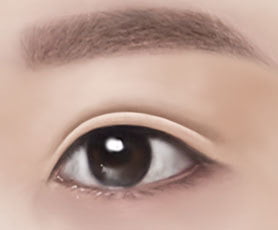








CANTHOPLASTY

BIGGER AND LONGER EYES BY WIDENING THE VERTICAL AND HORIZONTAL LENGTHS

CANTHOPLASTY

BIGGER AND LONGER EYES BY WIDENING THE VERTICAL AND HORIZONTAL LENGTHS

CANTHOPLASTY

CANTHOPLASTY

  • Canthoplasty — OPERATION TIME — About 30 mins.

    OPERATION TIME

    About 30 mins.

  • Canthoplasty — Anesthesia — Sedation

    Anesthesia

    Sedation

  • Canthoplasty — Stitch Removal — After about 7 days

    Stitch Removal

    After about 7 days

  • Canthoplasty — Hospitalization — Discharged on the day

    Hospitalization

    Discharged on the day

  • Canthoplasty — Follow-ups — 1 visit for stitch removal

    Follow-ups

    1 visit for stitch removal

  • Canthoplasty — Recovery — May resume daily activities in 3~5 days

    Recovery

    May resume daily activities in 3~5 days

BANOBAGI PLASTIC SURGERY

SUITABLE FOR THOSE

  • Case.01

    I want wider eyes
    by reshaping the
    inner corners

  • Case.02

    I want to narrow the
    distance
    between
    my eyes

  • Case.03

    My inner corners
    are covered by
    epicanthal folds

  • Case.04

    I want to create
    an attractive starting
    point
    for my double
    eyelid folds

  • Case.05

    I have double eyelid
    folds, but want a
    softer and more
    open look

  • Case.01

    Want eyes that are
    wider

  • Case.02

    Glabella that is
    too narrow

    to perform epicanthoplasty

  • Case.03

    Want to widen the
    outer corner
    of the eye
    so the eyes look wider

  • Case.04

    Have an
    upturned
    outer corner

  • Case.05

    Have an eyelid crease but want a
    fresher and younger
    appearance

  • Case.01

    Want to widen
    the eyes by increasing
    their vertical length

  • Case.02

    Want soft and
    innocent-looking eyes

  • Case.03

    Have eyes that
    look heavy
    because the
    lower part of
    the pupil is covered

  • Case.04

    Have had lateral
    canthoplasty before
    but seek further lowering
    of the outer eye corners

  • Case.05

    Want the whites
    of the eyes
    to be more visible
    and the pupils centered

SURGERY METHOD

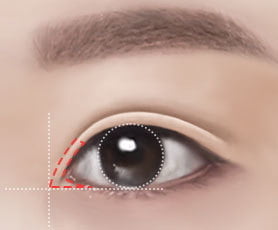
  • Canthoplasty — Excess skin formation in the inner aspect of the eyes
    01

    Excess skin formation in the inner aspect of the eyes

  • Canthoplasty — Create eyes that are more balanced with the face
    02

    Create eyes that are more balanced with the face


  • Canthoplasty — Incision made into epicanthal fold
    03

    Incision made into epicanthal fold

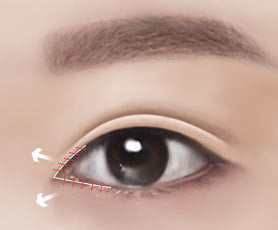
  • Canthoplasty — Repositioning the outer corners of the eyes within a possible range
    04

    Repositioning the outer corners of the eyes within a possible range

  • Canthoplasty — Suture to conceal surgical scars
    05

    Suture to conceal surgical scars

  • Canthoplasty — More open outer corners of the eyes result in wider eye appearance
    06

    More open outer corners of the eyes result in wider eye appearance

ONLY AT BANOBAGI

Canthoplasty — ONLY AT BANOBAGI
  • Canthoplasty results in wider eyes
  • Eye angles are adjusted to create an optimal eye look
    and improve the overall appearance
  • Canthoplasty can create a synergy effect with double
    eyelid surgery
  • Long-lasting, satisfactory results are ensured through
    suture and design process aimed at creating eyes that
    are more balanced with the face

BANOBAGI’s Key Values

Canthoplasty — Relaxing and comfortable facility
Relaxing and
comfortable facility
Canthoplasty — System established to improve accessibility and convenience for foreign customers through 1:1 coordinator assignments, accommodations, and transportation
System established to
improve accessibility and
convenience for foreign
customers through
1:1 coordinator assignments,
accommodations,
and transportation
Canthoplasty — Team of full-time anesthesiologists
Team of full-time
anesthesiologists
Canthoplasty — Surgical transparency using the surgeon’s real-name system
Surgical transparency
using the surgeon’s
real-name system
Canthoplasty — Board certified plastic surgery specialist with extensive clinical experiences and know-how as an expert
Board certified
plastic surgery specialist
with extensive clinical
experiences and
know-how as an expert
Canthoplasty — Customized diagnosis and expertise built through years of research and efforts for individual foreign customers
Customized diagnosis
and expertise built
through years of research
and efforts for individual
foreign customers

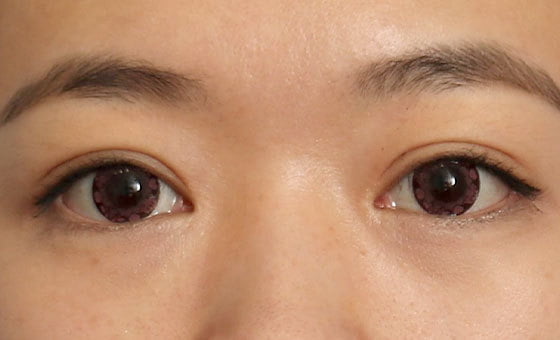
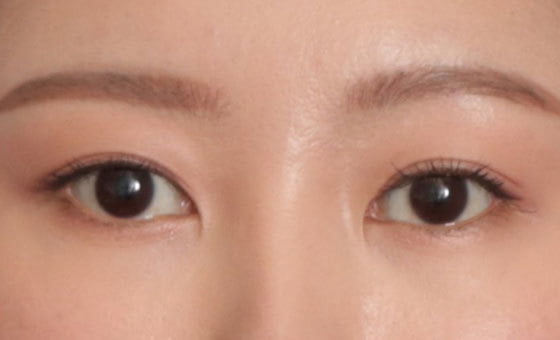
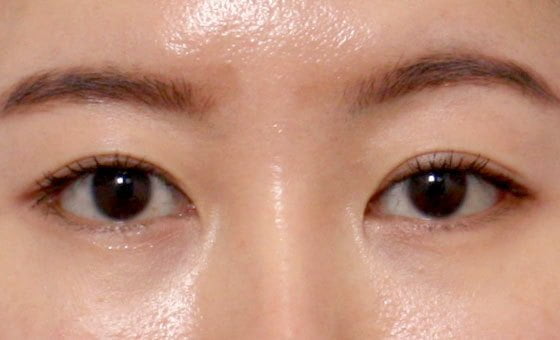
BEFORE & AFTER

Canthoplasty — Before treatment Canthoplasty — After treatment
BEFORE AFTER
Canthoplasty — Before treatment Canthoplasty — After treatment
BEFORE AFTER

Frequently Asked
Questions

The recommended procedure depends on which part of the eye needs adjustment. Medial canthoplasty opens a covered inner corner. Lateral canthoplasty lengthens or repositions the outer corner. Lower canthoplasty changes the lower outer corner to increase vertical openness. Combining methods is not automatically better because opening every direction too much can look unnatural. The surgeon should choose the smallest change that suits the eye shape and facial proportions.

The amount of enlargement is limited by the eyelid’s natural support and the amount of tissue available. Opening the inner corner too much can expose excessive pink tissue, while excessive outer or lower lengthening can reveal too much white around the iris or make the eyelid look pulled. Safe planning aims for a visible but balanced change rather than a fixed number of millimeters or the widest possible eye opening.

It depends on the surgical plan. Lengthening the outer corner can make the eye look wider without intentionally changing its tilt. If the outer corner is naturally very raised or lowered, its position may also be adjusted. Lower-corner surgery can increase vertical openness without adding much horizontal length. The surgeon should explain separately how the procedure may change width, tilt, and the amount of visible white around the iris.

The new outer corner must be supported by deeper tissue, not only by skin stitches. The surgeon secures the corner to firm tissue at the edge of the eye socket and adjusts the height and tension carefully. Existing looseness in the lower eyelid must also be considered. Without enough support, the corner may round, droop, or expose more white below the iris as healing progresses.

Inner-corner scars lie within or beside the natural inner fold, while outer-corner scars sit where the upper and lower eyelids meet. Redness and firmness are common during the first several weeks and usually soften over a few months. A fine pale line may remain, especially in patients who form thicker scars. Scar visibility also depends on tension, skin type, smoking, rubbing, and how well the incision heals.

Yes. Removing too much of the inner-corner fold can expose excessive pink tissue or make the eyes appear too close together. Scar tightening can also create a small web or an uneven corner. Careful planning preserves enough natural fold and considers the distance between the eyes. The aim is to reveal the inner corner gently, not to remove every trace of the original fold.

Yes. Excessive outer-corner lengthening or lowering can expose more white around the iris, disturb blinking, or make full closure difficult. This may lead to dryness, irritation, or watering. Mild tightness and dryness can occur during early healing, but increasing pain, redness, vision change, marked one-sided white show, or an eyelid that cannot close should be reported promptly.

Bruising and obvious swelling often improve within one to two weeks, although the corners may still look red or feel tight. Mild differences between the two sides are common because swelling does not settle evenly. The shape usually looks more natural by four to eight weeks, while scar color and firmness can continue improving for three to six months or longer.

Eye makeup usually waits until the stitches are removed and the wounds are closed and dry, often around one to two weeks. Products should be removed gently without stretching or rubbing the corners. Contact lenses may restart when the eye surface feels comfortable and handling the eyelids is painless, commonly around two weeks after approval. Waterproof makeup and lash glue may need a longer break because removal can pull on healing tissue.

Some settling toward the original position is normal. More noticeable relapse can occur if scar tissue tightens, deep stitches loosen, or the tissues gradually shift with blinking and facial movement. Inner-corner scar webbing can partly recreate the original fold, while the outer corner may round or shorten. The result is usually judged after several months, once swelling and scar tension are no longer changing the shape quickly.

These procedures can be combined when each one treats a clearly identified problem. Double-eyelid surgery changes the crease, ptosis correction raises a drooping upper eyelid, and canthoplasty changes the eye corners. Performing the maximum change in every area can make the eyes look too round, long, or exposed. Planning should divide the desired improvement across the crease, eyelid height, and corners while preserving natural facial balance.

Revision depends on the problem. A rounded or shortened outer corner may need stronger support and repositioning. A corner that is too open may need partial closure. Inner-corner webbing or an uneven scar may require scar release and rearrangement. Unless the eye cannot close or the surface is being exposed, revision is usually delayed until swelling and scars have matured so the surgeon can see the true position.

BANOBAGI PLASTIC SURGERY

BETTER TOGETHER

CONTACT US

517 Nonhyeon-Ro, Gangnam-Gu, Seoul Korea

X

emailicon E-MAIL

english@banobagi.com

Please feel free to contact us,
and we will reply you as soon as possible.
go-top