















Nose Functional Rhinoplasty

FUNCTIONAL AND AESTHETIC RHINOPLASTY

A SURGERY THAT NOT ONLY CHANGES THE SHAPE OF YOUR NOSE BUT ALSO IMPROVES ITS FUNCTION

Nose Functional Rhinoplasty

FUNCTIONAL AND AESTHETIC RHINOPLASTY

A SURGERY THAT NOT ONLY CHANGES THE SHAPE OF YOUR NOSE BUT ALSO IMPROVES ITS FUNCTION

Nose Functional Rhinoplasty

Functional Rhinoplasty

  • Functional Rhinoplasty — Sec Info Icon

    OPERATION TIME

    About 2 hrs.

  • Functional Rhinoplasty — Sec Info Icon

    ANESTHESIA

    Sedation

  • Functional Rhinoplasty — Sec Info Icon

    STITCH REMOVAL

    After about 10 days

  • Functional Rhinoplasty — Sec Info Icon

    HOSPITALIZATION

    Discharged on the day

  • Functional Rhinoplasty — Sec Info Icon

    FOLLOW-UPS

    2 visits for stitch removal

  • Functional Rhinoplasty — Sec Info Icon

    Recovery

    May resume daily activities in 7-10 days

SUITABLE FOR THOSE

BANOBAGI PLASTIC SURGERY

  • Case.01

    I often have rhinitis
    with mucus and
    nasal congestion

  • Case.02

    I have a deviated
    (crooked)
    nasal
    septum

  • Case.03

    I have sinusitis with
    a headache and a thick
    yellow discharge
    from the nose

  • Case.04

    I have nasal
    valve stenosis

    (a stuffy nose,
    nose/ throat pain, and
    sleep disorder)

  • Case.05

    I want to improve not
    only the shape but
    also the function of
    my nose

SURGERY METHOD

  • No.01

    Hypertrophic/allergic rhinitis Functional Rhinoplasty — Sec Method Img01 Title Shape

    ※ Chronic rhinitis leads to a change in nasal structure, causing symptoms such as stuffy nose and snoring.

    ※ Membranes inside the nose show increased sensitivity to certain types of stimuli, leading to symptoms such as nasal discharge and a stuffy nose.

    Functional Rhinoplasty — Sec Method Functional Rhinoplasty — Sec Method Img01 Mo
  • No.02

    Sinusitis Functional Rhinoplasty — Sec Method Img02 Title Shape

    ※ Inflammation of the sinuses causes them to get blocked, leading to symptoms such as headache, a stuffy nose, postnasal drip, and yellow nasal discharge.

    Functional Rhinoplasty — Sec Method Functional Rhinoplasty — Sec Method Img02 Mo
  • No.03

    Deviated nasal septum Functional Rhinoplasty — Sec Method Img03 Title Shape

    ※ It occurs when the nasal septum, a thin wall between nasal passages, is displaced to one side, often causing the nose to look crooked and leading to symptoms such as rhinitis and sinusitis.

    Functional Rhinoplasty — Sec Method Functional Rhinoplasty — Sec Method Img03 Mo
  • No.04

    Nasal valve stenosis Functional Rhinoplasty — Sec Method Img04 Title Shape

    ※ Located further inside the nose, the nasal valve controls airflow. As such, a narrowed nasal valve causes a stuffy nose and makes the nose look flat.

    Functional Rhinoplasty — Sec Method Functional Rhinoplasty — Sec Method Img04 Mo
Functional Rhinoplasty — Add Info Img

IMPROVES THE AESTHETIC SHAPE OF THE NOSE AT THE SAME TIME!

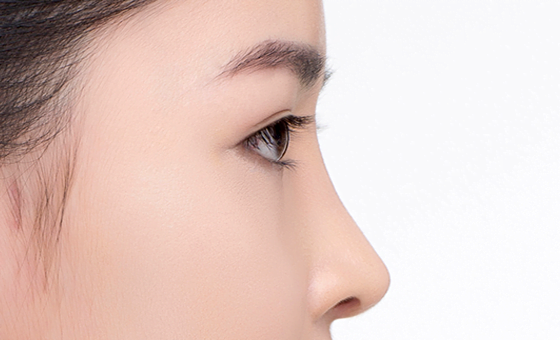
Aesthetic rhinoplasty that also improves the shape of the nose

  • 1. A balanced, sharp nose
  • 2. Crooked nose straightened
  • 3. Alar reduction
  • 4. Columella correction

ONLY AT BANOBAGI

Nose Functional Rhinoplasty
  • Surgery performed by ENT specialist with multiple
    years of accumulated expertise in functional and
    aesthetic rhinoplasty
  • Rhinoplasty that improves the line of the nose and
    contributes to overall facial balance
  • Makes it easier to breathe while improving the shape
    of the nose
  • Precise diagnosis based on 3D CT scanning

BANOBAGI’S KEY VALUES

Functional Rhinoplasty — Sec Value
Functional Rhinoplasty — Sec Value Icon
Board certified
plastic surgery specialist
with extensive clinical
experiences and
know-how as an expert
Functional Rhinoplasty — Sec Value
Functional Rhinoplasty — Sec Value Icon
Customized diagnosis
and expertise built
through years of research
and efforts for individual
foreign customers
Functional Rhinoplasty — Sec Value
Functional Rhinoplasty — Sec Value Icon
Carefully selected
top-notch medical devices
and pharmaceuticals in use
Functional Rhinoplasty — Sec Value
Functional Rhinoplasty — Sec Value Icon03
System established to
improve accessibility and
convenience for foreign
customers through
1:1 coordinator assignments,
accommodations,
and transportation
Functional Rhinoplasty — Sec Value
Functional Rhinoplasty — Sec Value Icon
Team of full-time
anesthesiologists
Functional Rhinoplasty — Sec Value
Functional Rhinoplasty — Sec Value Icon
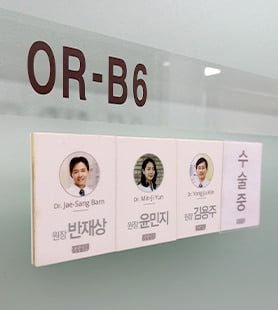
Surgical transparency
using the surgeon’s
real-name system

BEFORE & AFTER

Nose Functional Rhinoplasty Nose Functional Rhinoplasty
BEFORE AFTER
Nose Functional Rhinoplasty Nose Functional Rhinoplasty
BEFORE AFTER

Frequently Asked
Questions

Blockage is often multi-factorial. A deviated septum (the wall between the nostrils) can bow into one side. Enlarged turbinates (the soft ridges that humidify air) swell with allergy. The nasal valve, the narrowest point of the airway, can collapse on deep breath. External crookedness often signals internal deviation. Examination, sometimes with endoscopy, maps which of these applies to you.

Septoplasty straightens the septum but leaves the external framework untouched. When a crooked framework, a collapsed middle vault, or weak valve support contributes to the obstruction, straightening the septum gives only partial relief. Functional rhinoplasty rebuilds those support structures in the same operation so the airway stays open long term.

Often yes, because the structures being corrected are also the ones that shape the nose. Straightening a deviated framework usually makes the nose look straighter. Spreader grafts (small cartilage strips that open the internal valve) can add slight width to the middle bridge in thin-skinned noses. Your plan should state which appearance changes are expected rather than leave them as surprises.

Valve support commonly uses spreader or batten grafts. Septal cartilage is the first choice because it is flat, strong, and harvested through the same surgical field. When septal supply is limited or weak, ear cartilage suits softer support needs, and rib cartilage is reserved for major reconstruction. Each source trades availability against stiffness and feel.

Modest turbinate reduction is common when enlargement contributes to blockage. Turbinates humidify and condition air, so aggressive removal can cause chronic dryness and crusting. In severe cases it can lead to empty nose syndrome, a distressing sense of obstructed breathing despite an open airway. Modern practice favors conservative, mucosa-preserving reduction over removal.

History and examination carry most of the weight. Many surgeons add standardized breathing scores such as the NOSE questionnaire before and after surgery, so improvement is documented rather than anecdotal. Some centers use rhinomanometry or acoustic rhinometry, which measure airflow pressures and cross-sectional area. Those numbers correlate imperfectly with how breathing actually feels.

We do not use internal splints. Instead, nasal packing is placed and removed one day after surgery. An external nasal splint supports and protects the nose; it is removed with the external nasal stitches on postoperative day 7. Internal nasal stitches are removed on postoperative day 10. If ear cartilage was used, the stitches behind the ear are removed at the same visit. Congestion and crusting improve over the following weeks as the lining recovers, helped by saline rinses. Subtle internal swelling can persist for a few months, so final breathing judgment usually waits until around 3 months.

Uneven congestion is normal early because each side swells and crusts differently. A blockage that stays fixed on the same side after 6-8 weeks deserves a scoped look. So does blockage that does not change with saline or decongestant. The goal is to rule out residual deviation, scar bands (synechiae), or valve narrowing.

Spreader grafts sit between the septum and the side wall to open the valve. In narrow or thin-skinned noses they can add slight visible width to the middle bridge. Surgeons size them carefully, sometimes asymmetrically, balancing airway gain against appearance. In wider noses the effect is usually invisible or even helpful.

With an open approach the tip skin is lifted and support structures adjusted, so stiffness and numbness around the tip and upper lip area are expected. Sensation largely returns over weeks to months. Stiffness softens over 3-6 months, sometimes up to a year for final tip softness. This is normal healing, not a complication.

Cartilage has memory and can slowly bow back. Scar contraction adds pull over the first year. Mild partial recurrence is a known risk even with good technique. Securing the septum and adding support grafts reduces it. Progressive or bothersome deviation after healing can be assessed for targeted revision once tissues stabilize.

The first step is a scoped examination, with imaging if needed, to find the residual cause: recurrent deviation, valve collapse, turbinate regrowth, or scar bands. Treatment targets that specific cause, from minor scar release to grafted valve support. It is rarely a repeat of the entire operation. Remote assessment by photo and video can start this triage for international patients.

BANOBAGI PLASTIC SURGERY

BETTER TOGETHER

CONTACT US

517 Nonhyeon-Ro, Gangnam-Gu, Seoul Korea

X

emailicon E-MAIL

english@banobagi.com

Please feel free to contact us,
and we will reply you as soon as possible.
go-top