






















EYE SURGERY FOR THE MIDDLE-AGED

TURN BACK THE CLOCK ON AGING EYES

EYE SURGERY FOR THE MIDDLE-AGED

TURN BACK THE CLOCK ON AGING EYES

Upper Blepharoplasty — UPPERBLEPHAROPLASTY

Upper Blepharoplasty for Aging Eyes

  • Upper Blepharoplasty — OPERATION TIME — About 30 mins.

    OPERATION TIME

    About 30 mins.

  • Upper Blepharoplasty — Anesthesia — Sedation

    Anesthesia

    Sedation

  • Upper Blepharoplasty — Stitch Removal — After about 7 days

    Stitch Removal

    After about 7 days

  • Upper Blepharoplasty — Hospitalization — Discharged on the day

    Hospitalization

    Discharged on the day

  • Upper Blepharoplasty — Follow-ups — 1 visit for stitch removal

    Follow-ups

    1 visit for stitch removal

  • Upper Blepharoplasty — Recovery — May resume daily activities in 5~7 days

    Recovery

    May resume daily activities in 5~7 days

BANOBAGI PLASTIC SURGERY

SUITABLE FOR THOSE

  • Case.01

    My upper eyelid
    folds are covered
    by droopy eyelids

  • Case.02

    My droopy eyelids
    interfere with
    my eyesight

  • Case.03

    My eyes often
    get swollen
    and watery

  • Case.04

    I have experienced
    eyelid inflammation
    due to droopy lids

  • Case.05

    I tend to look older
    due to loss of
    elasticity on the
    eyelids

SURGERY METHOD

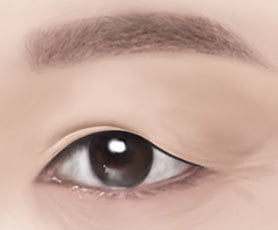
  • Upper Blepharoplasty — Droopy eyes before surgery and surgery method customized for each individual
    01

    Droopy eyes before surgery and
    surgery method customized
    for each individual

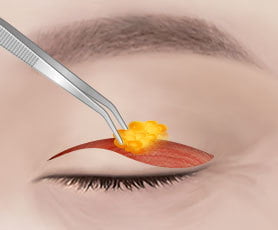
  • Upper Blepharoplasty — Excessive skin, muscle, and fat removed after incisions are made
    02

    Excessive skin, muscle, and
    fat removed after incisions
    are made

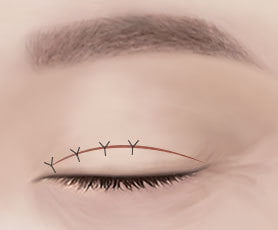
  • Upper Blepharoplasty — Levator muscles are tightened and incisions are sutured
    03

    Levator muscles are tightened
    and incisions are sutured

  • Upper Blepharoplasty — Resulting in clearer eyes and improved vision
    04

    Resulting in clearer eyes and
    improved vision

ONLY AT BANOBAGI

Upper Blepharoplasty — ONLY AT BANOBAGI
  • Customized surgery design according to each
    individual's facial structure and features
  • Precise calculation of incisions on the eyelids
  • Minimal incisions made for fast recovery
  • Resulting in clearer and brighter eyes

BANOBAGI’s Key Values

Upper Blepharoplasty — Relaxing and comfortable facility
Relaxing and
comfortable facility
Upper Blepharoplasty — System established to improve accessibility and convenience for foreign customers through 1:1 coordinator assignments, accommodations, and transportation
System established to
improve accessibility and
convenience for foreign
customers through
1:1 coordinator assignments,
accommodations,
and transportation
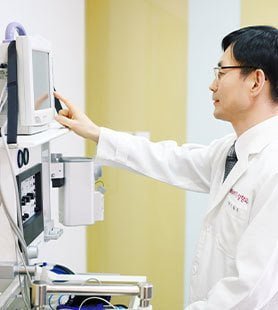
Upper Blepharoplasty — Team of full-time anesthesiologists
Team of full-time
anesthesiologists
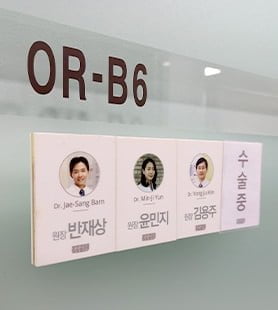
Upper Blepharoplasty — Surgical transparency using the surgeon’s real-name system
Surgical transparency
using the surgeon’s
real-name system
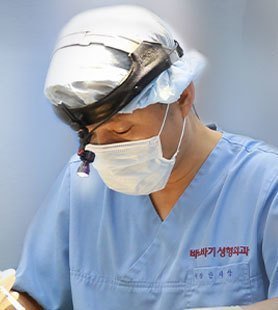
Upper Blepharoplasty — Board certified plastic surgery specialist with extensive clinical experiences and know-how as an expert
Board certified
plastic surgery specialist
with extensive clinical
experiences and
know-how as an expert
Upper Blepharoplasty — Customized diagnosis and expertise built through years of research and efforts for individual foreign customers
Customized diagnosis
and expertise built
through years of research
and efforts for individual
foreign customers

BEFORE & AFTER

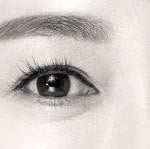
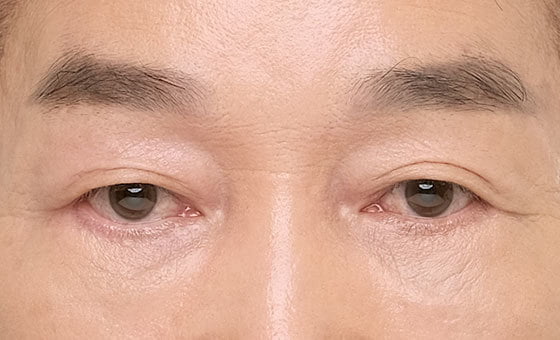
Upper Blepharoplasty — Before treatment Upper Blepharoplasty — After treatment
BEFORE AFTER
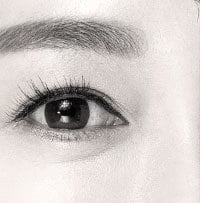
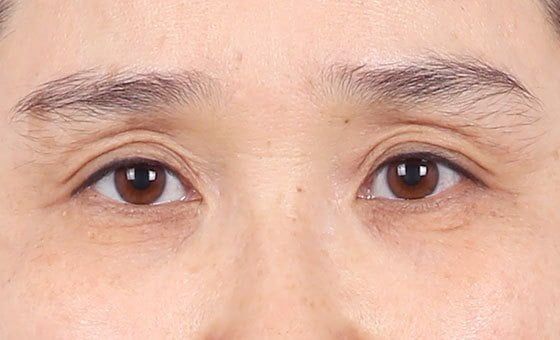
Upper Blepharoplasty — Before treatment Upper Blepharoplasty — After treatment
BEFORE AFTER

Frequently Asked
Questions

Two different problems can look the same in the mirror: redundant upper-lid skin sitting in the crease, or a low brow that pushes soft tissue onto the lid platform. At rest, not with the brows lifted for the mirror, the exam notes outer versus inner brow height, whether frontalis is chronically firing to clear the visual area, and how much fold remains when a finger lightly steadies the brow. If the fold largely disappears with that support, brow descent is doing most of the work.

Usually less skin is removed than patients expect. Marking is done with the brow relaxed and the eyes gently closed so enough skin remains for comfortable blinking and sleep. The goal is to clear the heavy fold while preserving the patient’s natural eye shape. Removing too much skin, especially near the outer corner, can make the eye look round or tight and may interfere with closure.

When the crease is already well defined, reasonably symmetric, and at a height that still fits the eye, the incision usually rides in or along that fold so the scar settles into a familiar line. A new or adjusted crease enters the plan when heavy skin has buried the old fold, heights differ side to side, the crease sits too low or high for the intended look, or prior surgery and aging have distorted it.

Fat is treated selectively rather than removed automatically. A small bulge near the inner corner may be reduced, while fat that gives the upper eyelid a soft, youthful shape is often preserved. Removing too much can create a deep hollow above the eye and make the face look older. The surgeon therefore decides separately which fat should be reduced, moved, or left in place.

Only when brow position is part of the problem, or likely to become one once lid weight is gone. If the heaviness is truly eyelid skin and the brow already sits acceptably, upper blepharoplasty alone may be enough. If the outer brow is low, temporal descent is progressive, or forehead muscle works overtime to open the visual area, removing lid skin without brow support can leave outer heaviness in place or make a low brow more obvious once the redundant fold no longer props the area.

The scar usually follows the natural upper-eyelid crease and may extend a short distance into an outer smile line when there is significant outer hooding. A short extension often fades well over several months. It may remain more visible if the incision extends far beyond the natural crease, heals under tension, becomes thickened, or develops color change. The planned scar length should match the amount of skin that truly needs treatment.

Bruising and obvious swelling usually crest in the first few days and improve a lot over about one to two weeks for many people. Sutures often come out around a week when the edges allow. Tightness, mild heaviness, and a slightly foreign blink can hang on for several weeks. Creases frequently look uneven, deeper on one side, or a bit high while swelling and early scar firmness remain, that is ordinary early healing, not a verdict on the final fold.

Temporary dryness or slightly incomplete closure can occur because swelling makes blinking less effective. The risk is higher in patients who already have dry eye, thyroid-related eye problems, or incomplete blinking. Conservative skin removal helps protect closure. Burning, watering, or a gritty feeling often improves with lubrication, but increasing pain, marked redness, vision change, or an eye that cannot close properly needs prompt assessment.

Small proportional shifts can happen; a new facial expression or surgically redirected lashes is not the usual aim of middle-aged upper blepharoplasty. Clearing hooded skin often improves lash show so lashes look less buried, sometimes read as a slightly more open lash line without true lash repositioning. Aggressive skin or muscle work can tug the margin or crease and alter lash angle unfavorably, which is another reason removal stays measured.

Screens often return within several days to about a week with frequent breaks, artificial tears if needed, and shorter continuous sessions while dryness and swelling settle. Soft contacts usually wait until the surface feels comfortable and the incision is stable, roughly one to two weeks, longer if irritation or incomplete blink continues, because early lenses can worsen abrasion and dryness.

The excess skin that was removed does not regrow in the same volume, so many people keep a clearer crease platform and less fold for years compared with their pre-op baseline. That is durable improvement, not a stop-time switch on aging. What still moves: remaining skin thins and loosens, the brow can continue to descend, fat can shift, forehead habits can return, and sun, weight change, and genetics keep working.

Appearance concerns are usually reviewed after swelling and scar firmness have settled, often around three to six months. Remaining excess skin may sometimes be removed conservatively, while an uneven crease or unfavorable scar may require a more specific correction. Earlier treatment is needed if there is infection, severe dryness, vision change, or difficulty closing the eye. Revision should address the actual cause rather than simply remove more skin.

BANOBAGI PLASTIC SURGERY

BETTER TOGETHER

CONTACT US

517 Nonhyeon-Ro, Gangnam-Gu, Seoul Korea

X

emailicon E-MAIL

english@banobagi.com

Please feel free to contact us,
and we will reply you as soon as possible.
go-top