







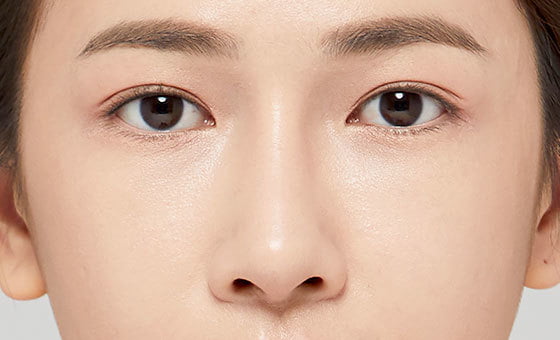



Nose Revision — 15
Nose Revision — 16
Nose Revision — 17
Nose Revision — 18
Nose Revision — 19
Nose Revision — 25
Nose Revision — 26
Nose Revision — 27
Nose Revision — 28
Nose Revision — 29

NOSE REVISION SURGERY

FIRST YET LAST REVISION SURGERY

Nose Revision — 35
Nose Revision — 36
Nose Revision — 37
Nose Revision — 38
Nose Revision — 39
Nose Revision — 45
Nose Revision — 46
Nose Revision — 47
Nose Revision — 48
Nose Revision — 49
Nose Revision — 59

NOSE REVISION
SURGERY

  • Nose Revision — Sec Info Icon

    OPERATION TIME

    About 2 hrs. 30 mins.

  • Nose Revision — Sec Info Icon

    ANESTHESIA

    Sedation

  • Nose Revision — Sec Info Icon

    STITCH REMOVAL

    About 10 days

  • Nose Revision — Sec Info Icon

    HOSPITALIZATION

    Discharged on the day

  • Nose Revision — Sec Info Icon

    FOLLOW-UPS

    2 visits for stitch removal

  • Nose Revision — Sec Info Icon

    Recovery

    May resume daily activities in 5 days

SUITABLE FOR THOSE

BANOBAGI PLASTIC SURGERY

  • Case.01

    My nose looks
    crooked

  • Case.02

    I am not happy with
    the height and
    width
    of my nose bridge

  • Case.03

    My nose tip looks
    blunt
    even after
    rhinoplasty(or it
    droops downward
    as time goes by)

  • Case.04

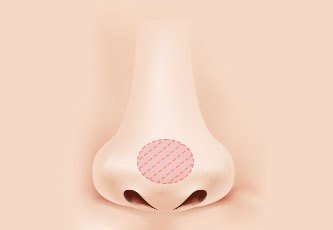
    My nose is reddish
    and hard, and

    my nose tip is lifted
    excessively because
    of contracture

  • Case.05

    I can see the
    previously inserted
    implant or cartilage
    through my nose skin,

    or it looks crooked

Nose Revision — Exclamation Mark

※ After undergoing the first surgery, it is recommended to wait at least six months (after the scar has healed and tissues have stabilized)
before deciding on a revision surgery.

※ For patients who have undergone multiple revision surgeries, it is recommended to wait at least a year after the last surgery
before considering another.

SURGERY METHOD

  • Nose Revision — Sec Method Img02

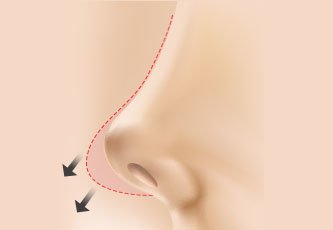
    The nose tip droops
    downward as time goes by

    Examines the supporting power of
    nose tip itself through a precise
    diagnosis and performs septal
    extension or columella correction

  • Nose Revision — Sec Method Img01

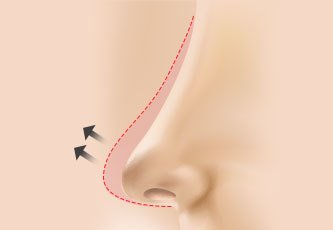
    The nose tip is lifted and
    shortened excessively by
    contracture

    Removes the root cause of contracture
    and problematic tissues sufficiently
    and inserts a proper implant into the
    nose tip while extending the dissected
    soft tissues as much as needed
    (follow-up care such as no smoking
    and no drinking are necessary)

  • Nose Revision — Sec Method Img03

    The nose tip is blunt and
    round

    Dissects the scar tissues and puts the
    cartilages back together into a slimmer
    shape or reshapes the tip cartilage
    into a diamond shape of customized
    size and grafts it back again

  • Nose Revision — Sec Method Img04

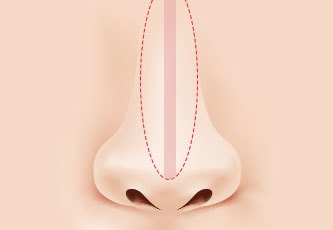
    The nose bridge is too
    high or low

    Adjusts the size of the nose bone or
    inserts an implant in an appropriate
    size in consideration of overall
    harmony with other facial features

  • Nose Revision — Sec Method Img05

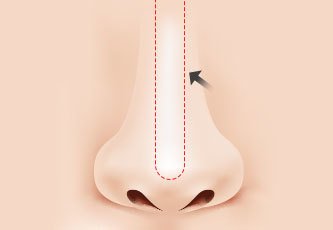
    The nose width is too
    wide or narrow

    Decides the appropriate width of the
    nose bridge considering the positions
    of the eyebrows and its harmony with
    other facial features, sculpts a nasal
    implant in an appropriate size and
    inserts it making sure of symmetry
    (it’s important to secure enough space
    for the nasal implant when dissecting
    the tissues)

  • Nose Revision — Sec Method Img06

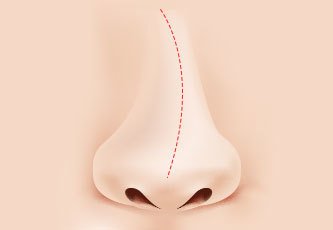
    The nose bridge is
    crooked

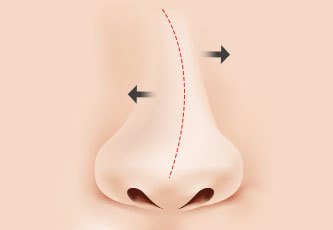
    Diagnoses the cause of deviation and
    asymmetry, then performs suitable
    surgical methods such as nasal bone
    osteotomy and implant replacement

  • Nose Revision — Sec Method

    The inserted implant is
    seen through the skin

    Protects thin skin using AlloDerm or
    temporal fascia, which can support
    the skin thickness, and moves the
    implant to the inner layer beyond
    the capsular

  • Nose Revision — Sec Method

    The inserted implant is
    not properly positioned
    or moves

    Examines thoroughly if the implant
    actually moves then fixes the implant
    under the periosteum aligning with
    the shape and curve of the nose
    bridge or replaces the implant with
    Gore-Tex

  • Nose Revision — Sec Method

    The cartilage inserted into
    the nose tip is seen through
    the skin or crooked

    mplants an autologous dermis or
    AlloDerm to supplement the skin
    tissues between the cartilage and
    thinner skin, or implants a new
    cartilage and dermal tissues after
    removing the old one

※ Some of mostly enquired revision cases are given as examples and the actual cause and surgical method for improvement may vary depending on the individual’s condition. BANOBAGI strives to deliver satisfactory results of nose revision surgery to our patients through systematic consultation and customized surgical procedures.

ONLY AT BANOBAGI

Nose Revision visual
  • Improves nasal inflammation and other problem
  • Corrects and improves every part related, including
    the nasal bone, cartilage, and soft tissues
  • Provides satisfactory results with the most ideal line and
    shape in consideration of proportion to other facial features
  • Chooses the most suitable surgical procedures and
    materials after a thorough analysis on the cause of failure
    based on years of expertise and sufficient consultation

BANOBAGI’S KEY VALUES

Nose Revision — Sec Value
Nose Revision — Sec Value Icon
Board certified
plastic surgery specialist
with extensive clinical
experiences and
know-how as an expert
Nose Revision — Sec Value
Nose Revision — Sec Value Icon
Customized diagnosis
and expertise built
through years of research
and efforts for individual
foreign customers
Nose Revision — Sec Value
Nose Revision — Sec Value Icon
Carefully selected
top-notch medical devices
and pharmaceuticals in use
Nose Revision — Sec Value
Nose Revision — Sec Value Icon03
System established to
improve accessibility and
convenience for foreign
customers through
1:1 coordinator assignments,
accommodations,
and transportation
Nose Revision — Sec Value
Nose Revision — Sec Value Icon
Team of full-time
anesthesiologists
Nose Revision — Sec Value
Nose Revision — Sec Value Icon
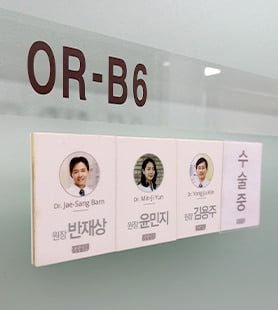
Surgical transparency
using the surgeon’s
real-name system

BEFORE & AFTER

Nose Revision — 89 Nose Revision visual
BEFORE AFTER
Nose Revision visual Nose Revision visual
BEFORE AFTER

Frequently Asked
Questions

Usually several of these combine. Early irregularity is often still swelling, especially at the tip. Mature problems trace to scar layers, weakened or asymmetric cartilage, graft position or visibility, or bone shape. Systematic photographs and palpation separate the causes. Revision that treats the wrong layer simply repeats the failure.

Standard guidance is about 12 months, longer after multiple previous surgeries. Tip swelling resolves slowest and can both hide and mimic problems. Operating in immature, actively scarring tissue raises risk and reduces precision, so early revision is reserved for functional threats like airway obstruction or exposed grafts.

Prior surgery details, photos, and concerns are usually discussed during the online consultation via WhatsApp or other channels. If you already have operative notes, pre- and post-operative photographs, imaging, or breathing-test results, you are welcome to share or bring them; they can help refine the plan but are optional.

Often it does, because the septum was partially used in earlier surgery. Remaining septal cartilage is always checked first. Ear cartilage suits tip contouring and small support. Rib cartilage provides strong, plentiful material for rebuilding the bridge or framework. The choice follows what is missing, not preference.

Rib cartilage gives strong, straight support but feels firmer than native nasal cartilage and carries a small warping risk, which modern carving and fixation techniques reduce. Ear cartilage is softer and curved, good for camouflage and tip refinement but not for structural spans. Expect any grafted area to feel firmer than an untouched nose, permanently.

Scar layers make skin elevation harder, blur the natural tissue planes, and alter blood supply, which slows dissection and prolongs swelling. Multiple previous operations compound all four effects. Careful dissection in the correct plane protects the skin, but thin or damaged skin may set a ceiling on how much projection or refinement is safely possible.

Yes, and it is often preferable: one anesthesia, one recovery, and the structural grafts that open the airway frequently support the cosmetic result at the same time. Combined planning should put function first, because an aesthetic change that narrows the airway is a net loss even if the nose looks better.

Longer than after primary surgery. Obvious swelling fades over 4-6 weeks, contour refines over 3-6 months, and the tip can keep settling for 12-18 months in thick skin or after multiple operations, and it can vary from person to person. Judging the result before then is unreliable. Plan your travel so the surgeon can check you before you fly, with remote photo reviews afterward.

Grafts can show under thin skin, shift, partially resorb over years, or rarely become infected, and rib grafts carry a small warping risk. Careful shaping, deep placement, and firm fixation reduce these problems, and fine irregularities are often camouflaged with fascia (a thin soft-tissue layer) or diced cartilage. Most graft problems are correctable if they occur.

Usually improved substantially, but "fully" is not a promise surgery can keep. Framework grafting restores support and contour, while skin quality, scarring, blood supply, and prior tissue loss set the ceiling. An honest consultation names what will clearly improve, what will partially improve, and what cannot realistically be restored.

Improvement is still possible after several operations, but each previous surgery adds scar and reduces both tissue options and predictability, so the margin for error shrinks. Candidacy depends on what can physically be improved, not on the number of past surgeries. Sometimes the most honest recommendation is not to operate again.

The limiting factors are skin thickness, accumulated scar, remaining cartilage supply, blood supply, and how many times the tissues have been operated. After full healing, options range from camouflage filler or small onlay grafts for minor contour issues to a further structural revision, weighed carefully against diminishing returns. Non-surgical camouflage is a legitimate endpoint for millimetre-scale concerns.

BANOBAGI PLASTIC SURGERY

BETTER TOGETHER

CONTACT US

517 Nonhyeon-Ro, Gangnam-Gu, Seoul Korea

X

emailicon E-MAIL

english@banobagi.com

Please feel free to contact us,
and we will reply you as soon as possible.
go-top