



























Two Jaw Surgery
Two Jaw Surgery
Two Jaw Surgery
Two Jaw Surgery
Two Jaw Surgery
Two Jaw Surgery
Two Jaw Surgery
Two Jaw Surgery
Two Jaw Surgery
Two Jaw Surgery
Two Jaw Surgery
Two Jaw Surgery
Two Jaw Surgery
Two Jaw Surgery
Two Jaw Surgery
Two Jaw Surgery

TWO JAW SURGERY

JAW FUNCTION IMPROVEMENT AND MORE BALANCED FACE LINE

Two Jaw Surgery

TWO JAW SURGERY

JAW FUNCTION IMPROVEMENT AND MORE BALANCED FACE LINE

Two Jaw Surgery
Two Jaw Surgery
Two Jaw Surgery
Two Jaw Surgery
Two Jaw Surgery
Two Jaw Surgery
Two Jaw Surgery
Two Jaw Surgery
Two Jaw Surgery
Two Jaw Surgery
Two Jaw Surgery
Two Jaw Surgery
Two Jaw Surgery
Two Jaw Surgery
Two Jaw Surgery
Two Jaw Surgery
Two Jaw Surgery
Two Jaw Surgery
Two Jaw Surgery
Two Jaw Surgery
Two Jaw Surgery
Two Jaw Surgery
Two Jaw Surgery
Two Jaw Surgery
Two Jaw Surgery
Two Jaw Surgery
Two Jaw Surgery
Two Jaw Surgery

TWO JAW

SURGERY

  • Two Jaw Surgery — Sec Info Icon

    OPERATION TIME

    About 5hrs.

  • Two Jaw Surgery — Sec Info Icon

    ANESTHESIA

    General Anesthesia

  • Two Jaw Surgery — Sec Info Icon

    STITCH REMOVAL

    After about 14 days

  • Two Jaw Surgery — Sec Info Icon

    HOSPITALIZATION

    3 nights

  • Two Jaw Surgery — Sec Info Icon

    FOLLOW-UPS

    3-4 visits for stitch removal
    ※ Must stay in Korea for at least 3 weeks ※

  • Two Jaw Surgery — Sec Info Icon

    Recovery

    May resume daily activities in 7 days

SUITABLE FOR THOSE

BANOBAGI PLASTIC SURGERY

  • Two Jaw Surgery
    Case.01

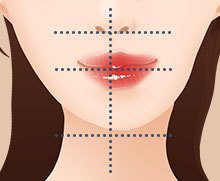
    I want to even out
    my face asymmetry

  • Two Jaw Surgery
    Case.02

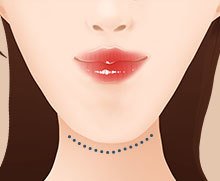
    I have either
    a jutting chin or
    lantern jaw

  • Two Jaw Surgery
    Case.03

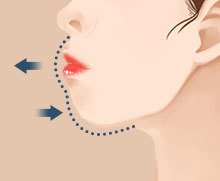
    My jaw protrudes
    (or is recessed)

    in general

  • Two Jaw Surgery
    Case.04

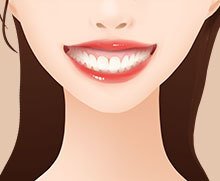
    My gum is exposed
    excessively

    when I laugh

  • Two Jaw Surgery
    Case.05

    I want to make
    my face smaller
    beyond face
    contouring surgery

SURGERY METHOD

  • Two Jaw Surgery
    01

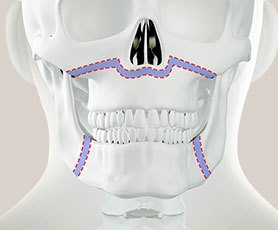
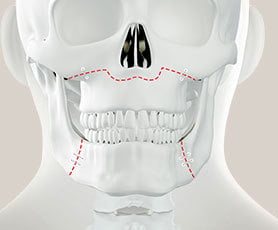

    Cut the maxillary (upper jaw)
    and Mandibular (lower jaw)
    bones based on individual’s
    case

  • Two Jaw Surgery
    02

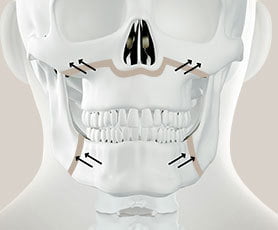
    Properly correct the locations of
    the maxillary and mandibular
    bones based on individual
    conditions

  • Two Jaw Surgery
    03

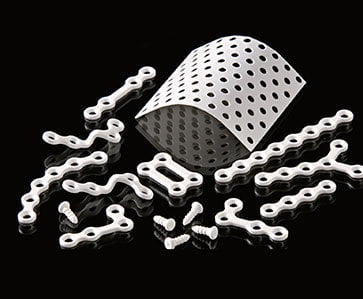
    Firmly fix its positions using
    Osteotrans pins

※ A surgical method would be adopted based on individual conditions.
※ Orthodontic treatment(braces) may be required after two jaw surgery.

BIORESORBABLE PIN (OSTEOTRANS)

  • Second surgery not required for pin removal :
    No additional pain, cost, and time
  • Provides a fairly strong attachment
    and gets absorbed in bones afterward :

    Minimal side effects
  • It is not magnetic, so it doesn't cause an issue with MRI scans.
Two Jaw Surgery — Sec Method Explain

ONLY AT BANOBAGI

Two Jaw Surgery
  • Allows a more stable fixation by widening the bone’s
    joint area through diagonal osteotomy
  • Improves various bones and tissue layers along with
    accurate diagnosis on facial structure
    through 3D analysis
  • Plans surgery in cooperation with oral and maxillofacial
    surgeons
  • Ensures a convenient and safe recovery without the
    use of intermaxillary fixation for some suitable cases

BANOBAGI’S KEY VALUES

Two Jaw Surgery — Sec Value
Two Jaw Surgery — Sec Value Icon
Board certified
plastic surgery specialist
with extensive clinical
experiences and
know-how as an expert
Two Jaw Surgery — Sec Value
Two Jaw Surgery — Sec Value Icon
Customized diagnosis
and expertise built
through years of research
and efforts for individual
foreign customers
Two Jaw Surgery — Sec Value
Two Jaw Surgery — Sec Value Icon
Carefully selected
top-notch medical devices
and pharmaceuticals in use
Two Jaw Surgery — Sec Value
Two Jaw Surgery — Sec Value Icon03
System established to
improve accessibility and
convenience for foreign
customers through
1:1 coordinator assignments,
accommodations,
and transportation
Two Jaw Surgery — Sec Value
Two Jaw Surgery — Sec Value Icon
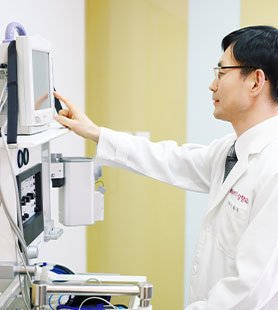
Team of full-time
anesthesiologists
Two Jaw Surgery — Sec Value
Two Jaw Surgery — Sec Value Icon
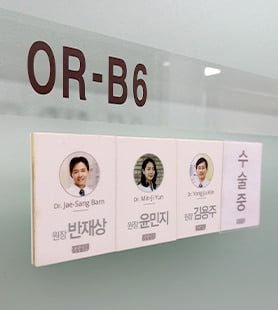
Surgical transparency
using the surgeon’s
real-name system

BEFORE & AFTER

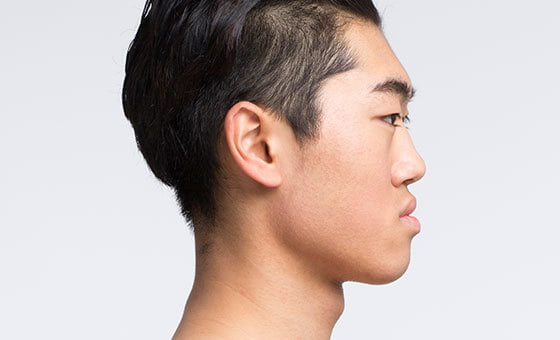
Two Jaw Surgery Two Jaw Surgery
BEFORE AFTER
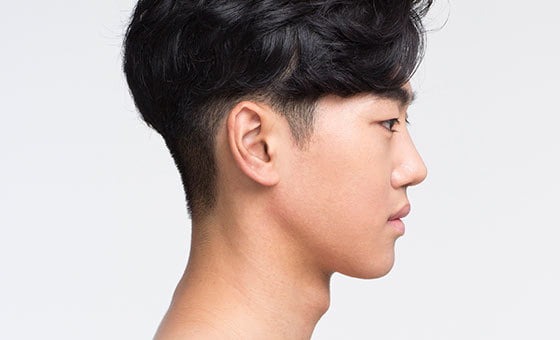
Two Jaw Surgery Two Jaw Surgery
BEFORE AFTER

Frequently Asked
Questions

Moving both jaws is needed when the upper and lower jaws are both out of position relative to the skull base, and correcting only one would leave the bite, face, or airway unbalanced. Common reasons include a long or short face, open bite, severe underbite or overbite, cant, or facial asymmetry that cannot be fixed by moving one jaw alone. Your surgeon uses bite records, imaging, and facial measurements to confirm that a single-jaw approach would leave function or symmetry wrong.

Virtual planning uses your CT scan to create a 3-D model of your skull, and the surgeon simulates the exact movements needed for each jaw, rotation, and cant correction before setting foot in the operating room. Custom splints are then printed to guide the cuts and positioning during surgery. This planning makes the operation more precise and gives you a preview of the skeletal movements that are being proposed.

Yes, braces are almost always needed before surgery to align the teeth within each jaw so the bite fits together correctly after the jaws are repositioned. After surgery, orthodontic treatment continues for several months to fine-tune the bite. Your surgeon and orthodontist coordinate the timeline together, and we explain how long each phase is expected to last in your specific case.

Plates and screws hold each bone segment in its new position while it heals, and a splint plus elastics guide your teeth into the planned bite during the early weeks. The splint and elastics are temporary tools, not permanent fixtures. Your surgeon checks your bite at follow-up visits and adjusts the elastics as needed to steer the occlusion into its final position.

A liquid-to-soft diet usually spans several weeks, and your nutrition during this phase matters greatly for bone healing and energy. You will need to consume enough calories, protein, and fluids even though chewing is not possible. We give you a nutrition guide with meal ideas and calorie targets before surgery so you can prepare and maintain your weight and strength through recovery.

Most visible swelling improves greatly in 3 to 6 weeks, but subtle changes in the nose, lips, cheeks, and jawline continue to evolve for 6 to 12 months. You cannot judge the final look in the first month. We take standardized photos at each follow-up and compare them to your preoperative images so you can see the progress objectively, even when the mirror feels unreliable.

Altered feeling in the lower lip and chin is common after two-jaw surgery because the nerves are stretched during the bone movements, and recovery continues for 6 to 12 months. A small percentage of patients have permanent numbness in a patch of the lower lip or chin. Your surgeon distinguishes between temporary stretch-related numbness and motor weakness and maps your sensory recovery at each visit.

A bite that feels slightly different day to day in the first weeks is often your teeth settling into the splint and elastics, not a problem with bone healing. A sudden large shift, a bite that opens where it was closed before, or an inability to seat the splint needs immediate review. We give you clear markers to distinguish normal bite wandering from a structural shift so you know when to pick up the phone.

Moving the jaws changes the airway space and can improve breathing if obstruction was part of the original problem. Speech takes time to adapt as your tongue learns its new position, and lip closure often improves when the jaws are properly aligned. Jaw joint symptoms can improve if the bite imbalance was contributing, but the surgery is not a guaranteed joint cure. Your surgeon discusses which of these benefits are likely in your case based on your preoperative function.

Work and light daily activity return within a few weeks, exercise advances in phases, normal chewing and dental work wait until the bone is stable, and contact sports are among the last activities to be cleared, often several months out. You receive a milestone-based recovery plan rather than a single number of days, because your bone healing pace determines each step.

Factors that increase risk include poor nutrition during healing, smoking, uncontrolled diabetes, infection, putting pressure on the bone before it is ready, and not following the elastic or dietary instructions. Relapse can also happen if the planned movement was too large for the bone and soft tissue to accommodate. Your surgeon discusses your personal risk factors and what you can control to minimize them.

An early imperfect bite may be guided with elastics and orthodontic finishing, and persistent skeletal or bite problems are assessed after healing with new imaging and records. Revision could involve hardware adjustment, orthodontic refinement, or a repeat bone cut if the bone position is truly wrong. Bite records are compared at each stage, and a consultation once the tissues are stable gives the clearest picture of what remains and what can be improved.

BANOBAGI PLASTIC SURGERY

BETTER TOGETHER

CONTACT US

517 Nonhyeon-Ro, Gangnam-Gu, Seoul Korea

X

emailicon E-MAIL

english@banobagi.com

Please feel free to contact us,
and we will reply you as soon as possible.
go-top