












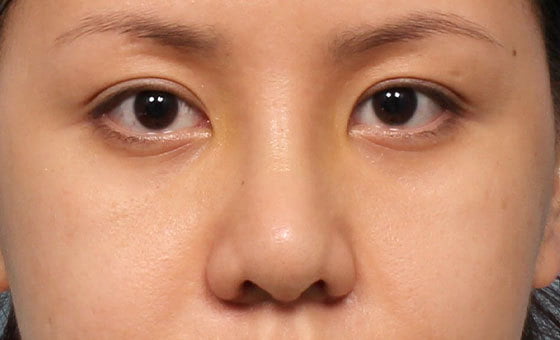


Alarplasty — Nose Alarpasty

ALARPLASTY

IMPROVING THE WIDE ALAR RIM TO LOOK MORE BALANCED AND SLIMMER

Alarplasty — Nose Alarpasty

ALARPLASTY

IMPROVING THE WIDE ALAR RIM TO LOOK MORE BALANCED AND SLIMMER

Alarplasty — Nose Alarpasty
Alarplasty visual

ALARPLASTY

  • Alarplasty — Sec Info Icon

    OPERATION TIME

    About 30 mins.

  • Alarplasty — Sec Info Icon

    ANESTHESIA

    Sedation

  • Alarplasty — Sec Info Icon

    STITCH REMOVAL

    After 7~10 days

  • Alarplasty — Sec Info Icon

    HOSPITALIZATION

    Discharged on the day

  • Alarplasty — Sec Info Icon

    FOLLOW-UPS

    2 visits for stitch removal

  • Alarplasty — Sec Info Icon

    Recovery

    May resume daily activities in 3 days

SUITABLE FOR THOSE

BANOBAGI PLASTIC SURGERY

  • Case.01

    I have a
    wide alar rim

  • Case.02

    My wide alar rim
    makes my nose
    look flat

  • Case.03

    My nose looks
    bulbous and big

  • Case.04

    My wide alar rim
    makes my nostrils
    look bigger

  • Case.05

    The alar rim of
    my nose is not
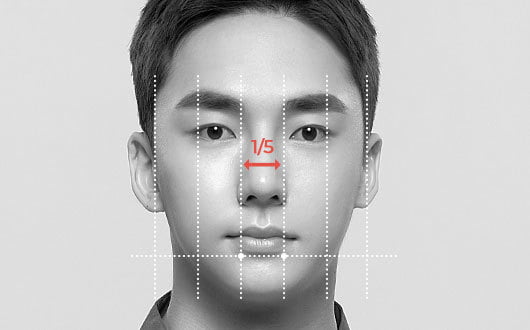
    proportionally balanced

    with the nose bridge

SURGERY METHOD

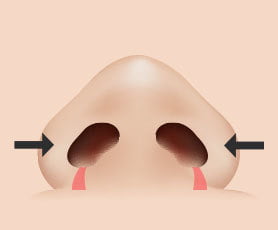
  • Alarplasty visual
    01

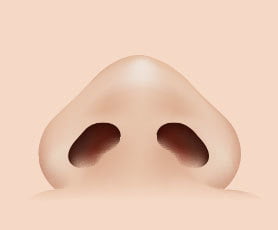
    Wide and bulbous alar rim
    and big nostrils before surgery

  • Alarplasty visual
    02

    Skin incision according to the
    design to reduce the alar rim’s
    width, making it look balanced
    with the overall nose shape

  • Alarplasty visual
    03

    Cut out unnecessary skin and suture thoroughly

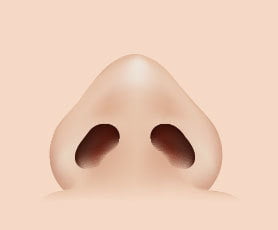
  • Alarplasty visual
    04

    Narrowed alar rim after surgery

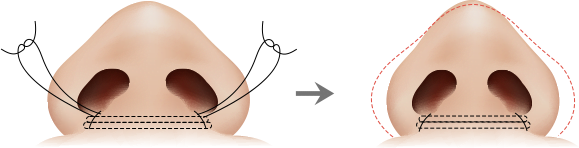
Alarplasty — Sec Method Explain Img

Alarplasty — Exclamation Mark

The surgical method is performed according to the case,
and the surgical method of pulling together with elastic thread
after making a small incision inside the nostril can be performed
together or as the main method.

ONLY AT BANOBAGI

Alarplasty visual
  • With the narrowed alar rim, the nose tip looks slimmer
    while the nose bridge looks augmented
  • Customized design and surgery according to individual
    needs
  • Improving the symmetry of the nostrils and alar rim
  • Result that scars are not noticeable as much as possible

BANOBAGI’S KEY VALUES

Alarplasty — Sec Value
Alarplasty — Sec Value Icon
Board certified
plastic surgery specialist
with extensive clinical
experiences and
know-how as an expert
Alarplasty — Sec Value
Alarplasty — Sec Value Icon
Customized diagnosis
and expertise built
through years of research
and efforts for individual
foreign customers
Alarplasty — Sec Value
Alarplasty — Sec Value Icon
Carefully selected
top-notch medical devices
and pharmaceuticals in use
Alarplasty — Sec Value
Alarplasty — Sec Value Icon03
System established to
improve accessibility and
convenience for foreign
customers through
1:1 coordinator assignments,
accommodations,
and transportation
Alarplasty — Sec Value
Alarplasty — Sec Value Icon
Team of full-time
anesthesiologists
Alarplasty — Sec Value
Alarplasty — Sec Value Icon
Surgical transparency
using the surgeon’s
real-name system

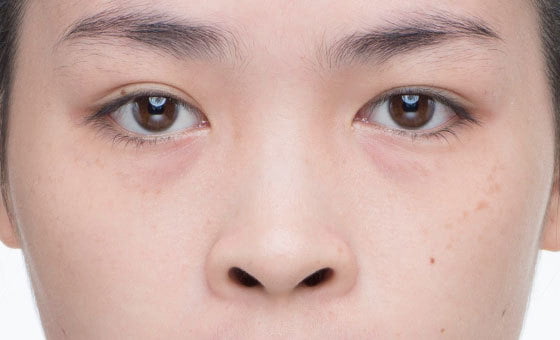
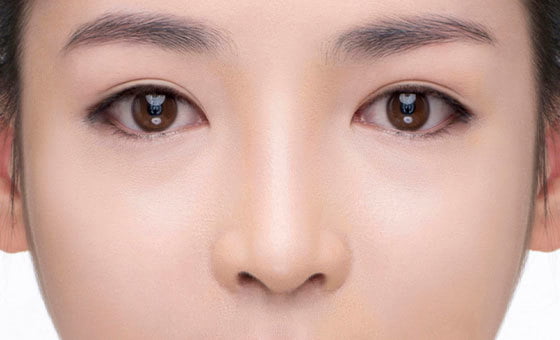
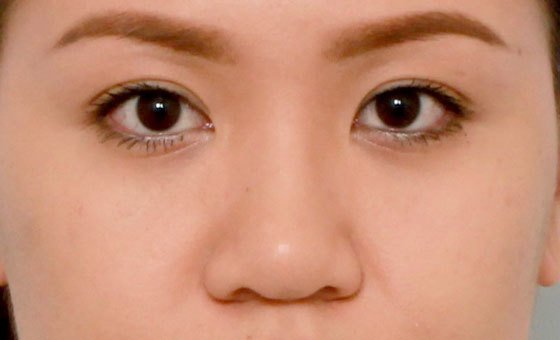
BEFORE & AFTER

Alarplasty visual Alarplasty visual
BEFORE AFTER
Alarplasty visual Alarplasty visual
BEFORE AFTER

Frequently Asked
Questions

These are different structures that need different treatments. A wide alar base means the nostril floor spans too far. Flare is how much the nostril rims curve outward beyond the cheek junction. Thick rims are skin and soft-tissue bulk. A broad tip is a separate cartilage question. Alarplasty addresses the first three. If the width is mostly tip cartilage, tip work during rhinoplasty is the better tool.

Common options include a wedge excision from the alar crease, the groove where the nostril meets the cheek. A sill excision from the nostril floor is another choice. An internal cinching suture can also draw the bases together. Wedge and sill excisions suit true width or flare. Cinching narrows a wide floor with minimal tissue loss. Over-resection at the crease creates the pinched look, so design stays conservative.

Usually only a few millimetres per side, planned with the nostrils measured at rest and while smiling. Because even 1 mm of difference reads as asymmetric at conversational distance, each side is marked separately and re-checked before closure. Some nostril asymmetry exists in almost everyone, so the goal is balanced improvement, not geometrically identical nostrils.

Incisions hide in the alar crease, along the nostril sill (the floor of the nostril), or both. Redness and firmness are normal for several weeks. Most lines fade to a fine mark over 3-6 months. Visibility depends on closure tension, skin type, smoking, and wound care. Crease incisions generally mature well because the natural groove shadows the line.

Temporary stiffness can make airflow feel different while swelling settles, but properly planned reduction should not narrow the nasal valve, the internal passage that governs airflow. Excessive sill removal or poor scar healing can restrict it, which is one reason excisions stay measured. Report breathing that still feels worse after the first month rather than steadily improving.

Smile flare is dynamic, driven by the dilator muscles pulling the nostril outward, so resting measurements understate it. The surgeon assesses the nose in animation before choosing the excision shape and any cinch tension. Surgery can meaningfully reduce resting width and flare, but some movement with expression is natural and expected to remain.

Mild tightness across the nostril floor and upper lip is common, especially after sill excision or a cinching suture. The repair sits across the zone that stretches when you smile. It is most noticeable in the first 2-3 weeks and softens as swelling and scar tension settle over 1-2 months. Permanent pulling is uncommon when placement is conservative.

Clean as directed, typically with saline on a cotton tip once or twice daily, then a thin layer of prescribed ointment. Do not pick crusts, stretch the nostrils to inspect the line, or use hydrogen peroxide or alcohol, which dry the edges and widen scars. Sutures usually come out around day 7-10.

Swelling and redness peak in the first few days. Obvious swelling fades over 1-2 weeks, crusting clears shortly after stitch removal around day 7-10, and mild firmness or pinkness can persist for 4-8 weeks. Asymmetric swelling is very common and may last for around 4 weeks or longer, depending on the individual.

A small degree of relaxation is normal as early tension settles, which is why surgeons plan the mature result rather than day-one tightness. Noticeable widening can follow uneven scar contraction, suture loosening, or repeated animation loading the base. Results are judged after six months to one year. Persistent widening beyond that can be reviewed for a small touch-up.

Usually in the same operation but sequenced after the bridge and tip work, because changing tip projection and rotation alters how wide the base appears. Narrowing first risks over-reduction. Standalone alarplasty suits patients whose only concern is base width, and a separate later session remains an option when the right amount of narrowing is genuinely uncertain.

Minor asymmetry or a widened scar can often be revised with a small local excision once scars mature, usually after 6 months. Over-resected nostril margins are harder and may need composite grafts (skin and cartilage, often from the ear) to rebuild the rim. Prevention through conservative excision is far easier than rebuilding an over-narrowed nostril.

BANOBAGI PLASTIC SURGERY

BETTER TOGETHER

CONTACT US

517 Nonhyeon-Ro, Gangnam-Gu, Seoul Korea

X

emailicon E-MAIL

english@banobagi.com

Please feel free to contact us,
and we will reply you as soon as possible.
go-top