













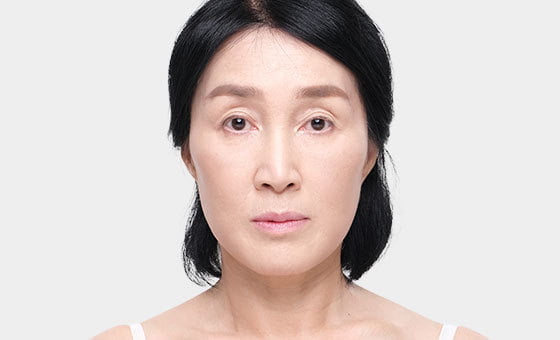


Fat Grafting — Bg Img 01
Fat Grafting — Bg Img 02
Fat Grafting — Bg Img 03
Fat Grafting — Bg Img 04
Fat Grafting — Bg Img 05
Fat Grafting — Bg Img 06
Fat Grafting — Bg Img Mo 01
Fat Grafting — Bg Img Mo 02
Fat Grafting — Bg Img Mo 03
Fat Grafting — Bg Img Mo 04
Fat Grafting — Bg Img 07
Fat Grafting — Bg Img 08
Fat Grafting — Bg Img 09
Fat Grafting — Bg Img 10
Fat Grafting — Bg Img 11
Fat Grafting — Bg Img 12

FAT GRAFTING

ADD SOFT VOLUME, BALANCED SHAPE,
AND SCULPTED CONTOURS TO YOUR FACE AND BODY

Fat Grafting — Bg Img Mo 05

FAT GRAFTING

ADD SOFT VOLUME, BALANCED SHAPE,
AND SCULPTED CONTOURS TO YOUR FACE AND BODY

Fat Grafting — Bg Img Mo 06
Fat Grafting — Bg Img Mo 07
Fat Grafting — Bg Img Mo 08
Fat Grafting — Bg Img 13
Fat Grafting — Bg Img 14
Fat Grafting — Bg Img 15
Fat Grafting — Bg Img 16
Fat Grafting — Bg Img 17
Fat Grafting — Bg Img 18
Fat Grafting — Bg Img Mo 09
Fat Grafting — Bg Img Mo 10
Fat Grafting — Bg Img Mo 11
Fat Grafting — Bg Img Mo 12
Fat Grafting — Bg Img 19
Fat Grafting — Bg Img 20
Fat Grafting visual
Fat Grafting visual
Fat Grafting visual
Fat Grafting visual
Fat Grafting — Bg Img Mo 13
Fat Grafting — Bg Img Mo 14
Fat Grafting — Bg Img Mo 15
Fat Grafting — Bg Img Mo 16
Fat Grafting — Bg Img
Fat Grafting — Sec Info

FACE / BODY
FAT GRAFTING

  • Fat Grafting — Sec Info Icon

    OPERATION TIME

    About 1 hr. ~ 1 hr. 30 mins.

  • Fat Grafting — Sec Info Icon

    Anesthesia

    Sedation or General anesthesia

  • Fat Grafting — Sec Info Icon

    Stitch Removal

    After about 7 days

  • Fat Grafting — Sec Info Icon

    Hospitalization

    Discharged on the day

  • Fat Grafting — Sec Info Icon

    Follow-ups

    About 1~2 visits for stitch removal

  • Fat Grafting — Sec Info Icon

    Recovery

    May resume daily activities 1~3
    days after surgery

BANOBAGI PLASTIC SURGERY

SUITABLE FOR THOSE

  • Case.01

    My face looks plain
    and dull
    because of
    the lack of volume

  • Case.02

    I look older
    without volume

  • Case.03

    I want to look
    younger
    naturally

  • Case.04

    I look tired and dull

  • Case.05

    I want to add more
    volume to my body
    line contours

    (breasts and hips)

SURGERY METHOD

  • Fat Grafting — Sec Method Img01
    01

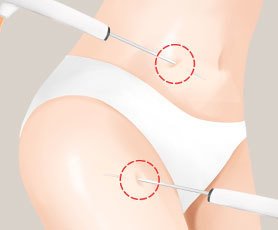
    Autologous fat is extracted
    from the abdomen or thighs

  • Fat Grafting — Sec Method Img02
    02

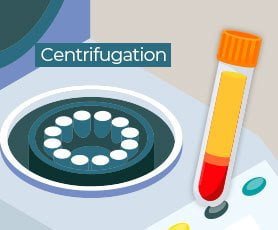
    Only pure fat cells are separated
    through centrifugation

  • Fat Grafting — Sec Method Img03
    03

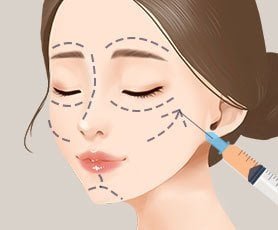
    The centrifugated fat cells are
    injected into predesigned sites
    with microcannula

  • Fat Grafting — Sec Method Img04
    04

    Have a more defined,
    younger-looking face with
    natural volume

※ When fat transplant with svf is done, engraftment rates and skin regeneration effect get more effective.

Fat Grafting — Add Info Img
  • Fat Grafting — Sec Method Explain

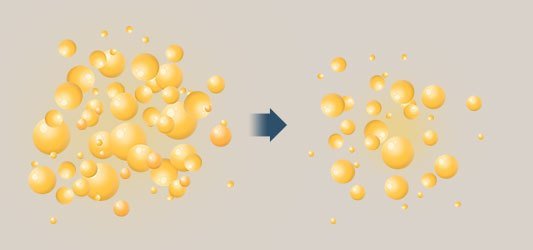
    No.01

    Standard fat grafting

    About 40%–50% of the engraftment rate
    when 100 adipocytes are transplanted

  • Fat Grafting — Sec Method Explain

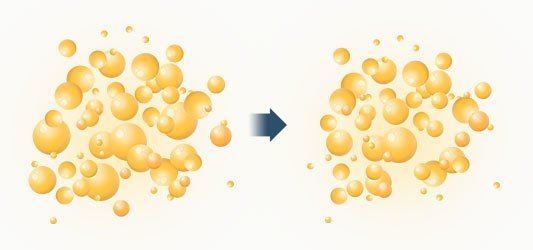
    No.02

    Banobagi’s svf fat grafting

    About 70%–80% of the engraftment rate
    when 100 adipocytes are transplanted

ONLY AT BANOBAGI

Fat Grafting — Sec Only Img 1
  • A more effective and sophisticated method to increase
    engraftment rates by injecting fat cells, not fat lump
  • High-level cell treatment available by a specialized
    SVF center and professional
  • For a younger-looking appearance with the right
    amount of volume, without going too far
  • Trustworthy design and surgical skills for the most
    desired volume based on expertise

BANOBAGI’s Key Values

Fat Grafting — Sec Value
Fat Grafting — Sec Value Icon
Board certified
plastic surgery specialist
with extensive clinical
experiences and
know-how as an expert
Fat Grafting — Sec Value
Fat Grafting — Sec Value Icon
Customized diagnosis
and expertise built
through years of research
and efforts for individual
foreign customers
Fat Grafting — Sec Value Img03
Fat Grafting — Sec Value Icon
In-depth presurgery

examination and diagnosis

to relieve a patient’s

burden
Fat Grafting — Sec Value
Fat Grafting — Sec Value Icon03
System established to
improve accessibility and
convenience for foreign
customers through
1:1 coordinator assignments,
accommodations,
and transportation
Fat Grafting — Sec Value
Fat Grafting — Sec Value Icon
Team of full-time
anesthesiologists
Fat Grafting — Sec Value
Fat Grafting — Sec Value Icon
Surgical transparency
using the surgeon’s
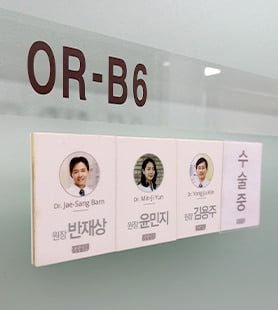
real-name system

BEFORE & AFTER

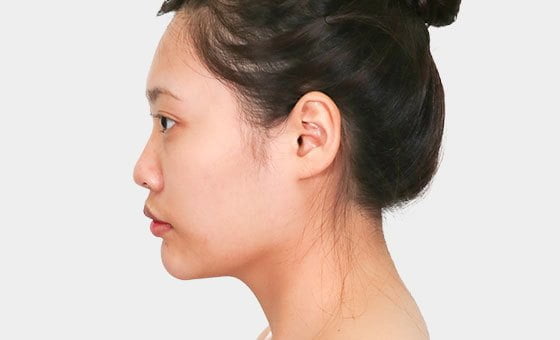
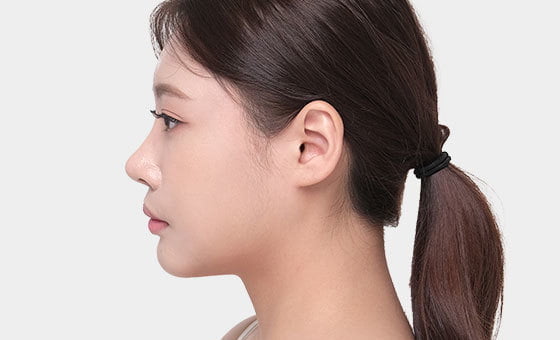
Fat Grafting — Sec Bna Img01 Before Fat Grafting — Sec Bna Img01 After
BEFORE AFTER
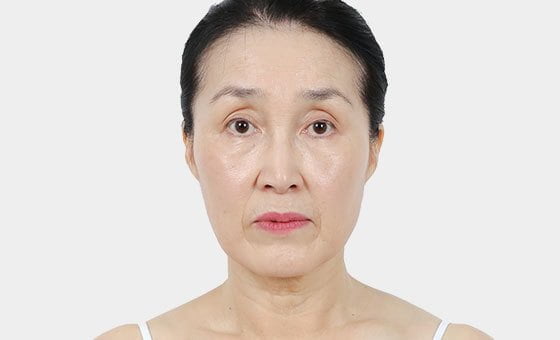
Fat Grafting — Sec Bna Img02 Before Fat Grafting — Sec Bna Img02 After
BEFORE AFTER

Frequently Asked
Questions

Fat can be harvested from areas like the belly, thighs, or flanks and transferred to fill hollows in the cheeks, under the eyes, temples, jawline, and lips, or to add volume anywhere the face has lost fullness. Different donor sites have different fat quality and survival rates. Your surgeon selects the best harvest area for the volume you need and the recipient site that will receive it.

Fat is harvested gently with low suction, processed to remove fluid and damaged cells, then injected as tiny droplets in multiple tissue planes so each parcel can get a blood supply. Small-volume, low-pressure injection reduces clumping and improves survival. Your surgeon places fat in a way that builds a smooth layer, not one big deposit, so the result feels natural and avoids lumps.

Some extra volume is typically placed because not all transferred fat survives, but chasing absorption with large overfills increases swelling, nodules, and the risk of an overfull result that is hard to reverse. Your surgeon places a modest cushion that balances survival with safety. Retained volume is judged months later when the swelling has gone, and we tell you at that point whether a touch-up session could add what the absorption took away.

Survival varies by area, technique, and patient, and there is no single percentage that works for everyone or every site. Areas with better blood supply, like the cheeks, tend to retain more than high-movement zones like the lips. We give you a range rather than a number and plan for the possibility of a second session rather than trying to solve everything in one go with excessive volume.

The overfilled, swollen look and bruising improve over 2 to 3 weeks, but retained volume is only reliable to judge around 3 to 6 months once the fat that will survive has established a blood supply and the rest has been cleared.

Yes, pressure on the grafted area from sleeping position, aggressive exercise, or weight loss in the early months can reduce how much fat survives. Smoking seriously harms graft survival. We give you specific instructions about protecting the treated area during the critical early weeks so you do not accidentally lose volume you have invested in.

When fat cells die instead of establishing a blood supply, the body may wall them off as oil cysts or replace them with calcium deposits, creating small hard areas under the skin. Uneven texture can also come from injecting too much fat in one spot. Your surgeon uses small, evenly distributed droplets to reduce these risks and checks any persistent lump with imaging to distinguish a benign cyst from something that needs treatment.

Asymmetry is addressed only after the volume has stabilized several months out, usually with a smaller second session that adds fat to the side that resorbed more. Trying to correct it too early means chasing swelling rather than actual survival. We follow your volume with photos and wait for the right time to refine.

Yes, grafted fat behaves like the fat in the rest of your body and can enlarge with weight gain, which may create an overfilled look in the treated area if you put on a significant amount of weight. Maintaining a stable weight protects the result. We recommend settling at a weight you can keep before surgery so the graft volume is matched to your steady-state body.

A second session is best done once the first has stabilized, usually around 3 to 6 months later, when you can see what survived and what is still missing. Going back too soon means you are guessing at absorption rather than filling a known deficit. Your surgeon evaluates your volume at follow-up and plans a second round only when the gap is clear and worth filling.

Overfilled fat is difficult to reduce selectively without creating dents or irregularity, which is why we prefer to underfill slightly and add more later rather than overfill and try to take back. Small areas can sometimes be treated with steroid injections or micro-liposuction, but the precision is limited. Your surgeon discusses this limitation before surgery so you know that restraint upfront is safer than aggressive filling.

Hyaluronic filler offers precise, immediate volume that can be dissolved if needed, but it is temporary and requires repeat treatments. Fat grafting provides long-term volume from your own tissue that, once established, does not need maintenance injections, but it is less reversible and less precise for fine millimeter work. Your surgeon discusses which option fits your needs, the area being treated, and whether you prefer the control of a temporary filler or the long-term nature of your own fat.

BANOBAGI PLASTIC SURGERY

BETTER TOGETHER

CONTACT US

517 Nonhyeon-Ro, Gangnam-Gu, Seoul Korea

X

emailicon E-MAIL

english@banobagi.com

Please feel free to contact us,
and we will reply you as soon as possible.
go-top