


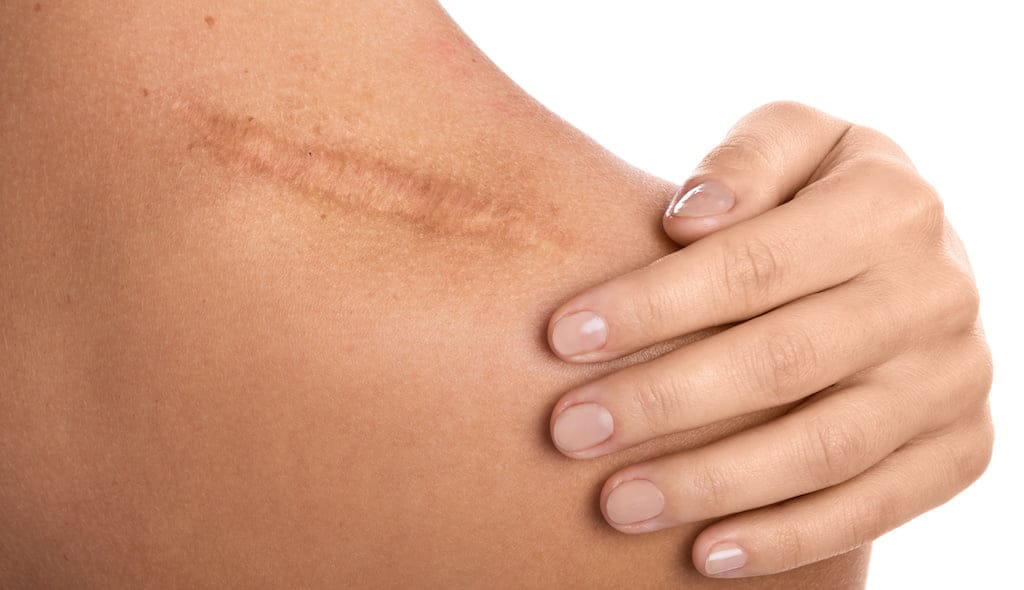
The ultimate goal of any procedure in the field of Korean plastic surgery is a result that looks entirely natural, as if the enhancement was always a naturally occurring part of your anatomy. While surgical precision and artistic vision form the foundation of this outcome, the way your skin heals, specifically how it forms scar tissue, is the final, critical piece of the puzzle. Understanding how to manage scar tissue after surgery is essential for ensuring that your incisions fade from visible reminders into nearly invisible, flat lines.
At Banobagi Plastic Surgery Clinic, we view scar management as a proactive, multi-stage process. By utilizing a sophisticated combination of advanced medical technology and disciplined home care, you can significantly influence the biological quality of your skin’s recovery.
The Biological Journey: What is Scar Tissue?
To effectively treat a scar, one must first understand what it is. Scar tissue is the body’s natural “patch” made of collagen that replaces lost or damaged skin. However, the architecture of a scar differs significantly from healthy skin.
Normal, uninjured skin has a flexible, woven collagen structure that allows it to stretch and move in multiple directions. In contrast, scar tissue after surgery grows in a single, parallel direction. This makes the tissue tougher, thicker, and significantly less elastic than the surrounding skin.
The Stages of Scar Maturation
Scars do not form instantly; they evolve through several distinct biological phases:
- The Inflammatory Phase (Days 1–5): The body sends white blood cells to the site to prevent infection and begin the repair process.
- The Proliferative Phase (Weeks 1–4): The body begins “building” the new tissue. This is when the scar may look thick and pink.
- The Remodeling Phase (Month 2–18): This is the most critical time to intervene. During this long period, the body replaces the initial, disorganized collagen with more permanent fibers. Without intervention, this phase can lead to raised (hypertrophic) or widened scars.
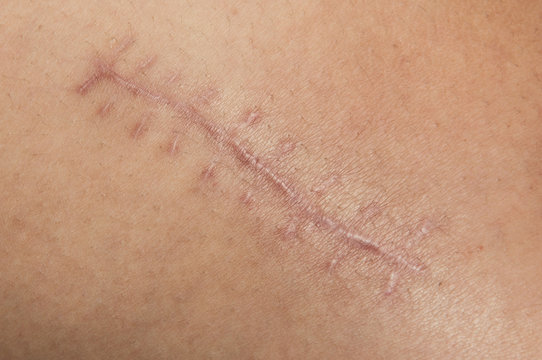
Strategic Home Care: Preventing Excessive Scar Tissue
While the medical team at Banobagi ensures the cleanest possible incisions, the daily care you provide at home dictates the final texture of the scar.
1. The Power of Medical-Grade Silicone
Silicone is widely considered the “gold standard” for non-invasive scar management in the world of korean plastic surgery.
- How it Works: Silicone sheets or gels create an occlusive, protective barrier that mimics the skin’s natural moisture-retaining function. Increased hydration signals the body to scale back collagen production. When the skin “thinks” it is already protected, it stops producing the excess collagen that leads to raised or hypertrophic scars.
- Consistency is Key: For the best results, silicone products should be used consistently once the incision has fully closed—typically starting 2 to 3 weeks after surgery. Aim for at least 12 to 24 hours of contact daily for several months.
2. Strategic Scar Massage and Mobilization
Once your Banobagi specialist confirms that your incision is sufficiently closed and sutures have been removed, gentle scar massage becomes an incredibly effective tool.
- Breaking Up Adhesions: Massaging the area helps break up the tight, linear collagen fibers of the scar tissue after surgery. This increases blood flow to the area and improves the overall flexibility of the skin.
- The Technique: Using a gentle circular motion with a scar-safe moisturizer for 5–10 minutes a day can prevent the scar from “tethering” to underlying muscle or bone.
3. Absolute UV Protection
New scar tissue lacks the melanin that protects normal skin from the sun, making it highly sensitive to ultraviolet (UV) light. Exposure to the sun during the first year of healing can cause “post-inflammatory hyperpigmentation,” where the scar turns a permanent dark brown or deep purple that is much harder to treat later.
- Your Action Plan: Keep the surgical site covered with clothing whenever possible. If the area is exposed, apply a high-SPF mineral sunscreen (zinc oxide or titanium dioxide) daily, even on cloudy days, to prevent permanent darkening.
Professional Scar Management at Banobagi
One reason Banobagi is a leader in Korean plastic surgery is our commitment to “Detail-Oriented Aftercare.” We do not simply send you home with a bandage; we provide a high-tech ecosystem designed to minimize scarring at a cellular level.
Advanced Laser Scar Therapy
For patients who are prone to heavier scarring or keloids, we offer a range of specialized laser treatments:
- Vascular Lasers: These target the microscopic blood vessels that feed a new scar. By “shrinking” these vessels, we can cause the redness to fade to a natural skin-tone color much faster than the body could achieve on its own.
- Fractional Lasers: These create microscopic “zones of injury” within the scar tissue. This triggers the body to replace the thick, disorganized scar tissue after surgery with smoother, more organized skin cells, effectively “resurfacing” the scar.
High-Frequency and Injection Therapy
If a scar begins to feel abnormally firm, itchy, or raised, our medical team utilizes targeted interventions:
- Indiba (High-Frequency) Treatment: This proprietary treatment improves local metabolism and softens the tissue from the inside out. It is particularly useful for internal scarring after procedures like facelifts or body contouring.
- Focused Corticosteroid Injections: In cases where a scar is thickening into a hypertrophic or keloid state, specialized injections can be used to flatten the tissue and relieve the tension and itching associated with overactive healing.

Lifestyle Factors: Healing from the Inside Out
Your body’s ability to prevent tough, visible scar tissue after surgery is heavily influenced by your internal health and daily habits.
1. The Role of Nutrition and Hydration
Protein is the fundamental building block of skin. To ensure your body builds “high-quality” tissue rather than “excessive” tissue, prioritize:
- Lean Proteins: Essential for tissue synthesis.
- Vitamin C and Zinc: These are co-factors in collagen production. A deficiency in these can lead to “weak” scars that widen over time.
- Hydration: Dehydrated skin is more prone to inflammation. Chronic inflammation is the primary driver of thick, red scars.
2. The Danger of Smoking
Smoking is the single greatest enemy of a clean scar. Nicotine restricts blood flow (vasoconstriction), which deprives the healing skin of the oxygen and nutrients it needs to repair itself. This often leads to “wound dehiscence” (the incision opening back up), which results in a much larger, thicker scar than originally intended.
Managing Your Expectations: When to Be Patient
It is important to remember that scars follow a long-term timeline. A scar that looks red and prominent at the three-month mark is perfectly normal. Scars typically take a full 12 to 18 months to reach “maturity.” By following the Banobagi recovery protocol and utilizing our professional aftercare treatments, you are giving your skin the best possible environment to achieve that elusive, “barely-there” finish.
Conclusion
Managing scar tissue after surgery is the final, vital step in your aesthetic journey. While some degree of scarring is an unavoidable part of the body’s healing mechanism, it does not have to be a permanent distraction from your results. Through a combination of patient-led home care and the professional, technology-driven treatments at Banobagi, you can ensure your final results are as beautiful and seamless as you imagined.
To learn more about our customized scar management programs or to view our successful surgical results, visit the Banobagi Plastic Surgery website today.
Why Choose Banobagi?
Two decades. Thousands of procedures. One standard: if it looks done, it's not done well enough.
Every Banobagi surgeon operates within a tight specialisation. Fewer procedure types, more mastery. That's the model, and it works.
We're not the only clinic in Korea. We're the one other clinics measure themselves against.


 E-MAIL
