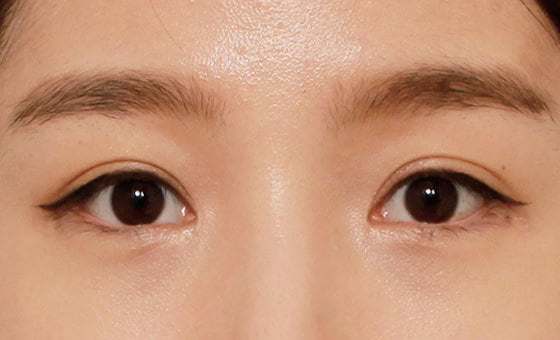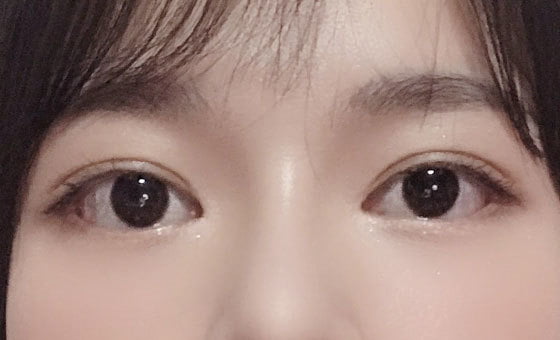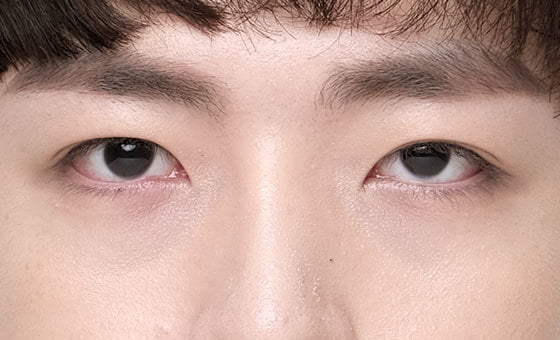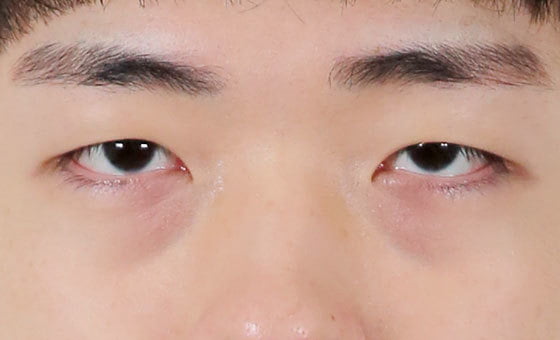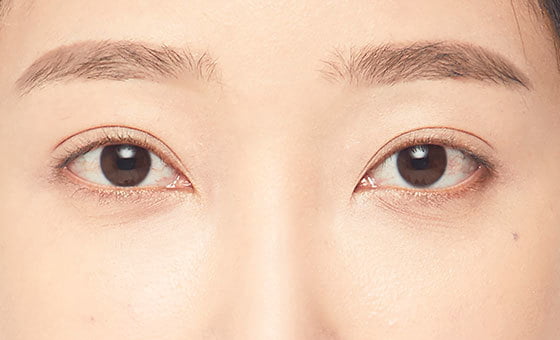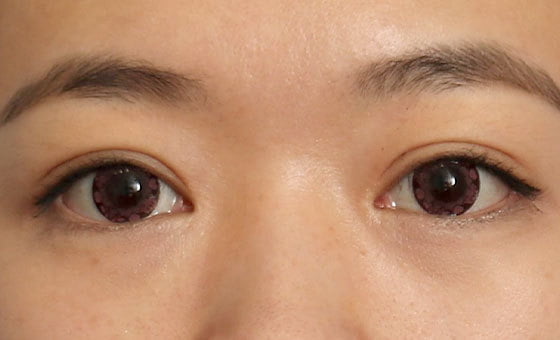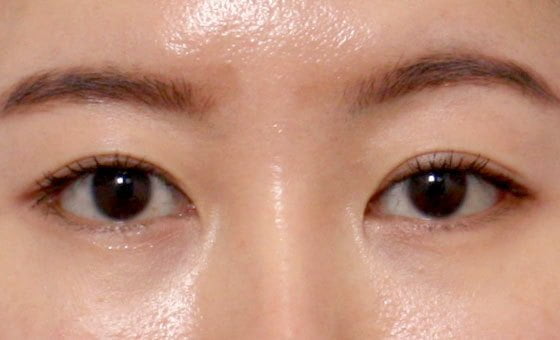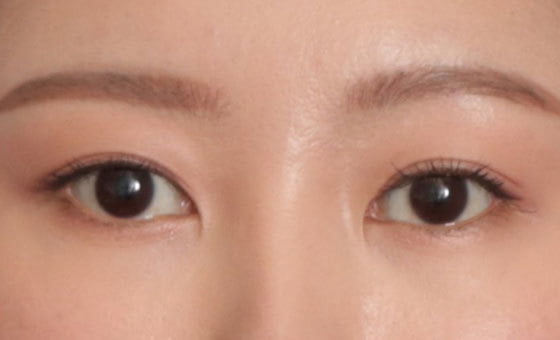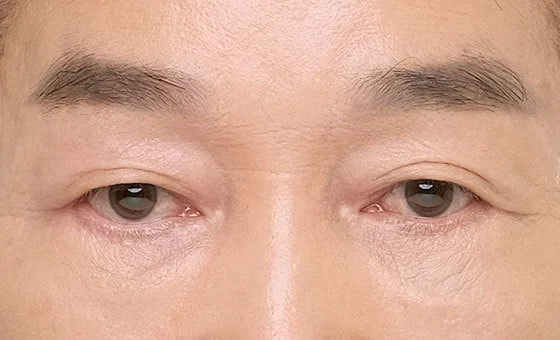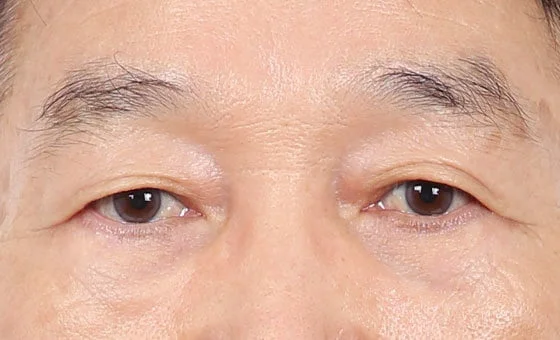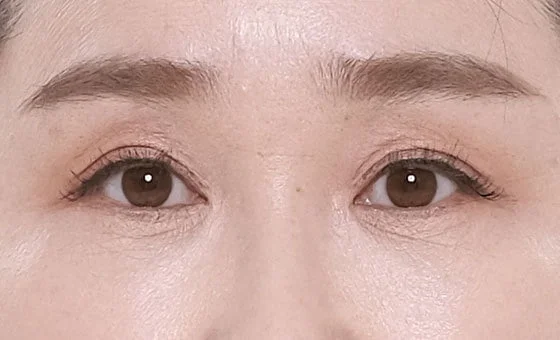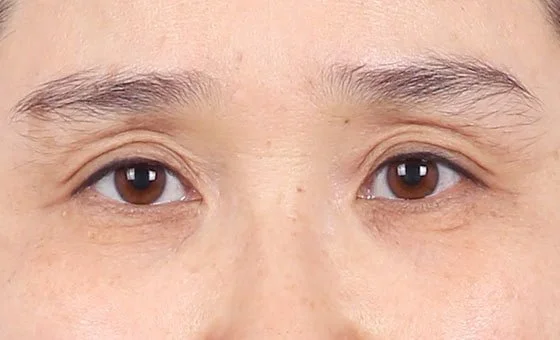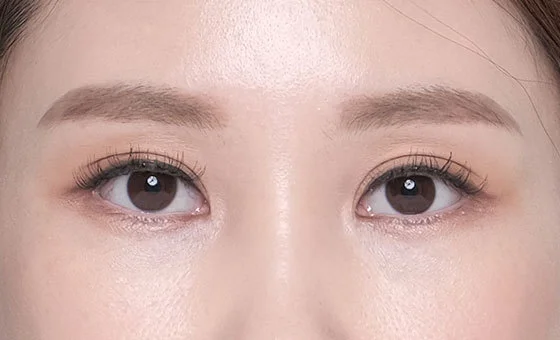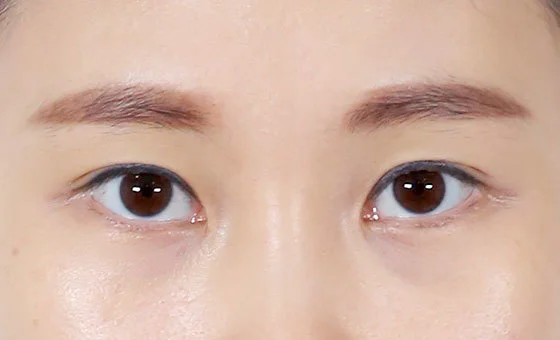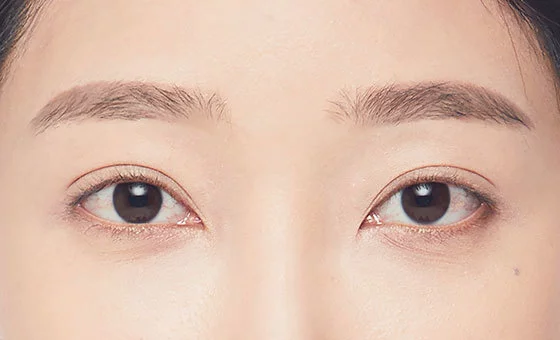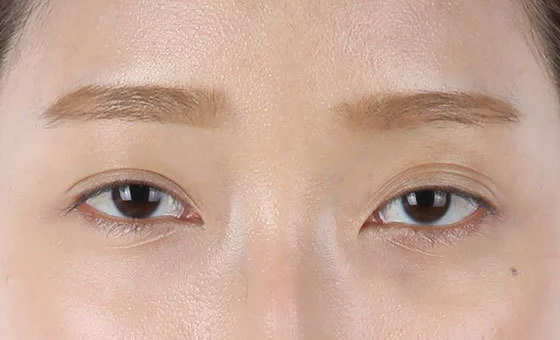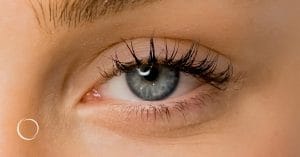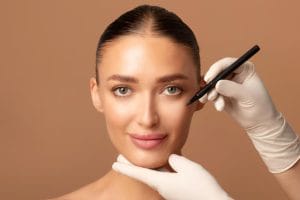

Korean Eye Surgery

Eye Surgery in Korea by Board-Certified Specialists

From double eyelids and ptosis correction to canthoplasty and revision surgery, every eye procedure is performed by dedicated oculoplastic surgeons in Gangnam, Seoul.

Global Leader in Safe and Natural Plastic Surgery since 2000
26+
Years Experience
Certified
Eye Specialist Surgeons
50+
Countries Served
What's the Difference?

Adding Expertise to the Fundamentals

"Where decades of experience meet personalized precision"

With decades of clinical experience, Banobagi's eye surgery team provides tailored solutions for every patient, from initial diagnosis through to surgery. We deliver results that look natural while preserving your unique character, and improve the functional purpose of the procedure so you can enjoy a more comfortable daily life.

Why Korea for Eye Surgery?

Korea leads the world in eye surgery volume, technique innovation, and patient satisfaction for eyelid procedures.

1st

Highest Volume Globally

South Korea performs more plastic surgery procedures per capita than any other country. This volume means surgeons develop unmatched expertise through sheer repetition, with many Korean eye surgeons performing over 1,000 eyelid procedures per year.

20+

Years of Specialized Training

Korean eye surgeons undergo rigorous medical school, residency, and years of subspecialty fellowship training in oculoplastic surgery. This depth of specialization is rare in Western countries where surgeons often perform a broader range of procedures.

50%

Lower Cost vs. Western Countries

Eye surgery in Korea costs 30–50% less than equivalent procedures in the United States, United Kingdom, or Australia, without compromising quality. Korea's competitive market and high surgical volume keep pricing accessible for international patients.

Asian

Eyelid Anatomy Expertise

Korean eye surgery techniques were developed specifically for Asian eyelid anatomy, including thicker skin, orbital fat distribution, and the epicanthal fold. This expertise extends to all ethnicities, as surgeons understand eyelid structure at a deeper anatomical level.

Did You Know?

South Korea is home to the world’s highest concentration of board-certified plastic surgeons specializing in eyelid procedures. The country’s medical tourism infrastructure, including multilingual coordinators, international patient lounges, and airport pickup services, makes the entire journey seamless for overseas visitors seeking Korean eye surgery.

Eye Surgery Procedures

Each procedure is performed by surgeons who specialize exclusively in oculoplastic and periorbital techniques.

Double Eyelid Surgery

Create a natural eyelid crease with incisional or non-incisional techniques. Korea's most performed cosmetic procedure.

Ptosis Correction

Lift drooping eyelids that impair vision or cause a tired appearance. Restores the eye's natural opening power.

Lower Eyelid Surgery

Address under-eye bags, dark circles, and hollowness through fat repositioning for a refreshed appearance.

Learn more

Canthoplasty

Widen the eyes by adjusting the inner or outer corners. Creates a more open, expressive eye shape.

Learn more

Mid-Aged Eyelid Surgery

Rejuvenate aging eyelids with upper or lower blepharoplasty. Removes excess skin and restores youthful contour.

Eyelid Revision Surgery

Correct unsatisfactory results from a previous eye surgery. Requires highly specialized expertise.

Learn more
Popular Combinations

Double eyelids + ptosis correction is the most popular combination, addressing both crease creation and muscle function in one session. Double eyelids + canthoplasty is ideal for a more dramatic change in eye size and shape. Combining procedures reduces total recovery time and produces more harmonious results.

Not sure which procedure is right for you?

Send us a photo and our surgeons will recommend the best approach for your goals.

Compare Eye Surgery Procedures

Quick comparison to help you understand the differences. Your surgeon will provide a personalized recommendation during consultation.

Procedure Best For Technique Often Combined With
Double Eyelids (Non-Incisional) Thin eyelid skin, minimal scarring, fast recovery Suture-based crease creation without a full incision Ptosis correction
Double Eyelids (Incisional) Thick skin, excess fat, permanent results Incisional crease creation with skin and fat adjustment Ptosis correction, canthoplasty
Ptosis Correction Drooping eyelids, sleepy appearance, impaired vision Levator muscle correction to improve eyelid opening Double eyelid surgery
Lower Eyelid (Fat Repositioning) Under-eye bags, dark circles, hollowness Under-eye fat repositioning to smooth contour and hollowness Mid-aged blepharoplasty
Canthoplasty Small eyes, Mongolian fold, wider eye shape Inner or outer corner reshaping to widen the eye line Double eyelid surgery
Mid-Aged Blepharoplasty Sagging eyelids, aging-related concerns Upper or lower blepharoplasty for age-related eyelid rejuvenation Lower eyelid surgery
Eyelid Revision Unsatisfactory results from previous surgery Corrective surgery for crease, symmetry, or functional issues Ptosis correction, canthoplasty

Who Is a Good Candidate for Eye Surgery?

Eye surgery is suitable for a wide range of patients. Here are the most common reasons people seek each procedure.

Double Eyelid Surgery

  • You have monolids and want a defined eyelid crease
  • Your existing crease is asymmetrical or faint
  • You want to appear more awake and alert
  • You are at least 18 years old and in good health

Ptosis Correction

  • Your upper eyelids droop and partially cover your pupils
  • You frequently raise your eyebrows to see clearly
  • You experience forehead tension or headaches from compensating
  • You appear sleepy or tired despite being well-rested

Lower Eyelid / Under-Eye

  • You have prominent under-eye bags or puffiness
  • Dark circles persist despite adequate sleep
  • Hollowing under the eyes makes you look older than you are
  • Non-surgical treatments haven't produced lasting results

Canthoplasty

  • You feel your eyes appear small or narrow
  • A prominent Mongolian fold covers the inner corner of the eye
  • You want a wider, more open eye shape
  • You are considering combining this with double eyelid surgery

Mid-Aged Blepharoplasty

  • Excess upper eyelid skin droops over your lash line
  • Aging has caused visible sagging around the eyes
  • You want to restore a more youthful, refreshed appearance
  • You are typically age 40 or older

Eyelid Revision Surgery

  • You are dissatisfied with results from a previous eye surgery
  • Your eyelid crease is too high, too low, or asymmetric
  • Scarring or functional issues occurred after prior surgery
  • At least 6 months have passed since your original procedure

How to Prepare for Eye Surgery in Korea

Good preparation makes for a smoother procedure and faster recovery. Here is what to do at each stage before your surgery date.

01

2–4 Weeks Before Arrival

  • Stop taking aspirin, birth control pills, ibuprofen, fish oil, vitamin E, and herbal supplements 1–2 weeks before surgery, as these increase bleeding risk
  • Stop weight-loss medications such as Wegovy or Mounjaro at least 2 weeks before surgery
  • Stop blood thinners at least 1 week before surgery (consult your prescribing doctor first)
  • Stop vitamins and omega-3 supplements at least 1 week before surgery
  • Avoid alcohol and smoking for at least 1–2 weeks before surgery, as both impair healing
  • Inform the clinic of any regular medications you take, as some may need to be reviewed by the anesthesiologist
  • If you have diabetes, contact your coordinator for specific pre-surgery instructions
  • Arrange travel and accommodation close to the clinic in Gangnam, Seoul
  • Send pre-consultation photos to your coordinator via WhatsApp or email
02

1 Week Before Surgery

  • Complete all pre-operative blood tests and health screening as directed
  • Remove all nail products including gel nails and nail polish, as oxygen saturation is monitored via fingernails during surgery
  • Remove rings, necklaces, bracelets, and other accessories, as these cannot be worn during the procedure
  • If you wear contact lenses, bring glasses, as lenses cannot be worn during surgery or early recovery
  • Confirm your surgery date and pre-operative consultation time with your coordinator
  • Arrange for someone to accompany you on surgery day
03

The Day Before Surgery

  • Fast for 6 to 8 hours before surgery. Do not consume any food, drinks, water, or candy. If fasting is not followed, surgery cannot be performed
  • Wash your face thoroughly and do not apply creams, makeup, or skincare products
  • Get a full night of rest to support your body's healing response
  • Prepare loose, front-button clothing that is easy to put on and take off after surgery. Avoid anything that must be pulled over the head
  • Charge your phone and download offline entertainment for post-surgery rest time
04

What to Bring to the Clinic

  • Passport or government-issued photo ID
  • A list of any medications you currently take (prescription or over-the-counter)
  • Sunglasses, as your eyes will be sensitive to light after the procedure
  • A companion or your coordinator's contact details for the journey home
  • Payment is in KRW (Korean Won). International credit cards and cash are both accepted. Consider increasing your card limit before your visit
  • Any pre-arranged deposit confirmation
Your Coordinator Will Guide You

Every Banobagi patient is assigned a dedicated multilingual coordinator who provides a personalised preparation checklist ahead of your surgery date. If you have any questions at any stage, whether before you arrive or during your stay, your coordinator is available to help.

Eye Surgery Recovery & Aftercare

What to expect after your procedure and how to ensure the best possible results.

Day 1–3

Immediate Recovery

Swelling and bruising peak within 48–72 hours. Cold compresses and prescribed medication manage pain and prevent infection. Rest at your accommodation and avoid heavy lifting or extended screen time.

Day 7–8

Stitch Removal

Stitches are removed and your surgeon assesses healing progress. Swelling has noticeably reduced. You are cleared for light daily activities and travel home.

Week 2–4

Gradual Improvement

Bruising fades and incision lines become less visible. Return to work and social activities. Light exercise can resume after 2 weeks. Avoid swimming, saunas, and direct sun exposure.

Month 3–6

Final Results

All swelling fully resolved. Scars fade to near-invisible lines hidden within the natural crease. Your eyes look completely natural, as if no surgery was ever performed.

Travel Tip

Plan to stay in Seoul for at least 7–8 days after your eye surgery. This allows time for your post-operative check-ups, stitch removal, and initial recovery before flying home. Many international patients combine their medical trip with sightseeing in Seoul once cleared for light activity around day 4–5.

Why Patients Choose Banobagi for Eye Surgery

Board-Certified Specialists

Every surgeon holds certification from the Korean Board of Plastic Surgery with dedicated oculoplastic training.

Real-Name Surgeon System

Your named surgeon performs the entire procedure from start to finish. No ghost surgeries, ever.

Full-Time Anesthesiologist Team

Dedicated anesthesiologists monitor every procedure from start to finish for your safety.

Multilingual Coordinators

1:1 patient coordinators in 8+ languages guide you through every step of your journey.

Minimal-Pain Anesthesia System

Non-sedation techniques that minimize discomfort even during the anesthesia process.

Undetectable Natural Beauty

Personalized surgical methods that leave no visible scars, creating the most natural look for you.

Eye Surgery Specialists

Board-certified oculoplastic surgeons with decades of dedicated experience in Korean eye surgery techniques.

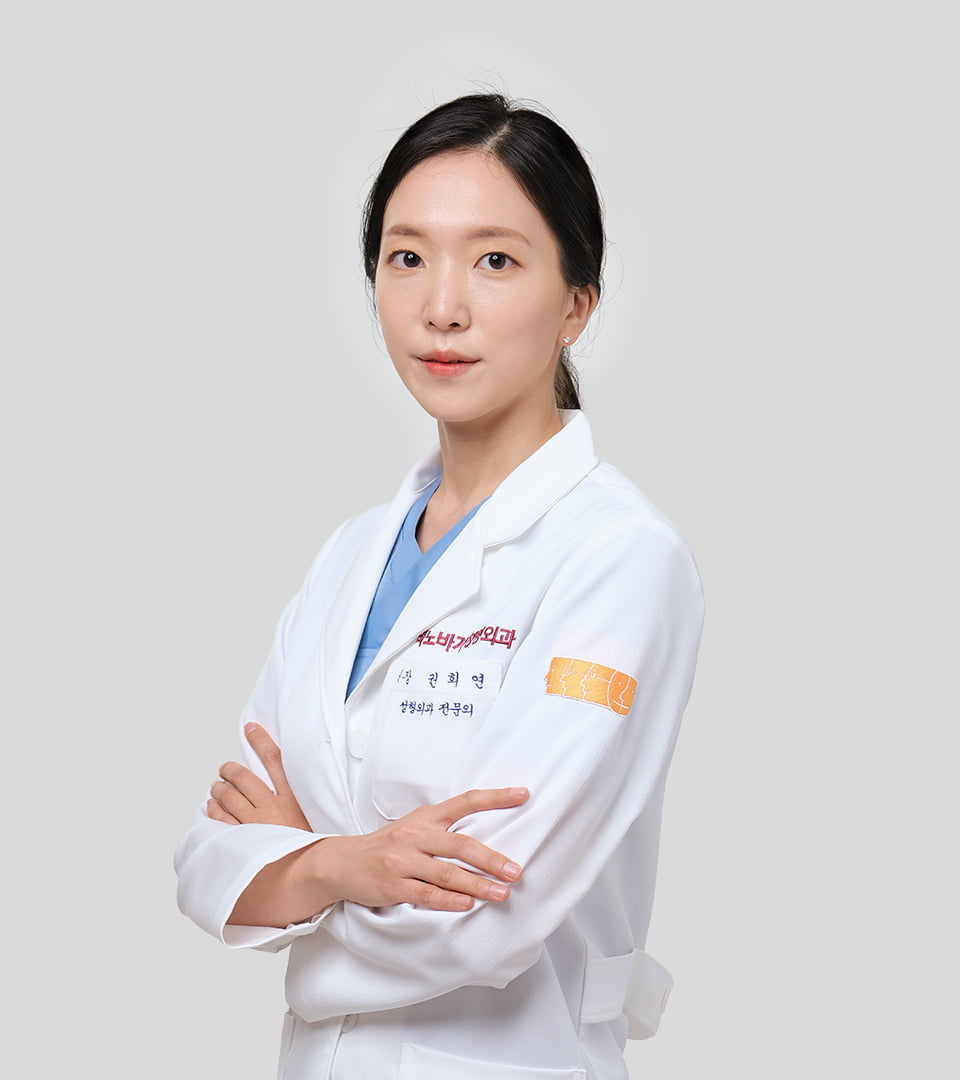
Dr. Kwon Heeyeon Board Certified

Dr. Kwon Heeyeon

Eye Surgery Specialist
Board-Certified Plastic Surgeon

Dr. Kwon Heeyeon

Eye Surgery Specialist

  • Specialized plastic surgeon at Banobagi Plastic Surgery Clinic
  • Graduated from Seoul National University College of Medicine with top honors
  • Residency in Plastic and Reconstructive Surgery at Seoul National University Hospital
  • Master's degree in Plastic and Reconstructive Surgery from Seoul National University College of Medicine
  • Former full-time plastic surgeon at Seoul National University Bundang Hospital
  • Active member of the Korean Society of Plastic and Reconstructive Surgeons
View full profile
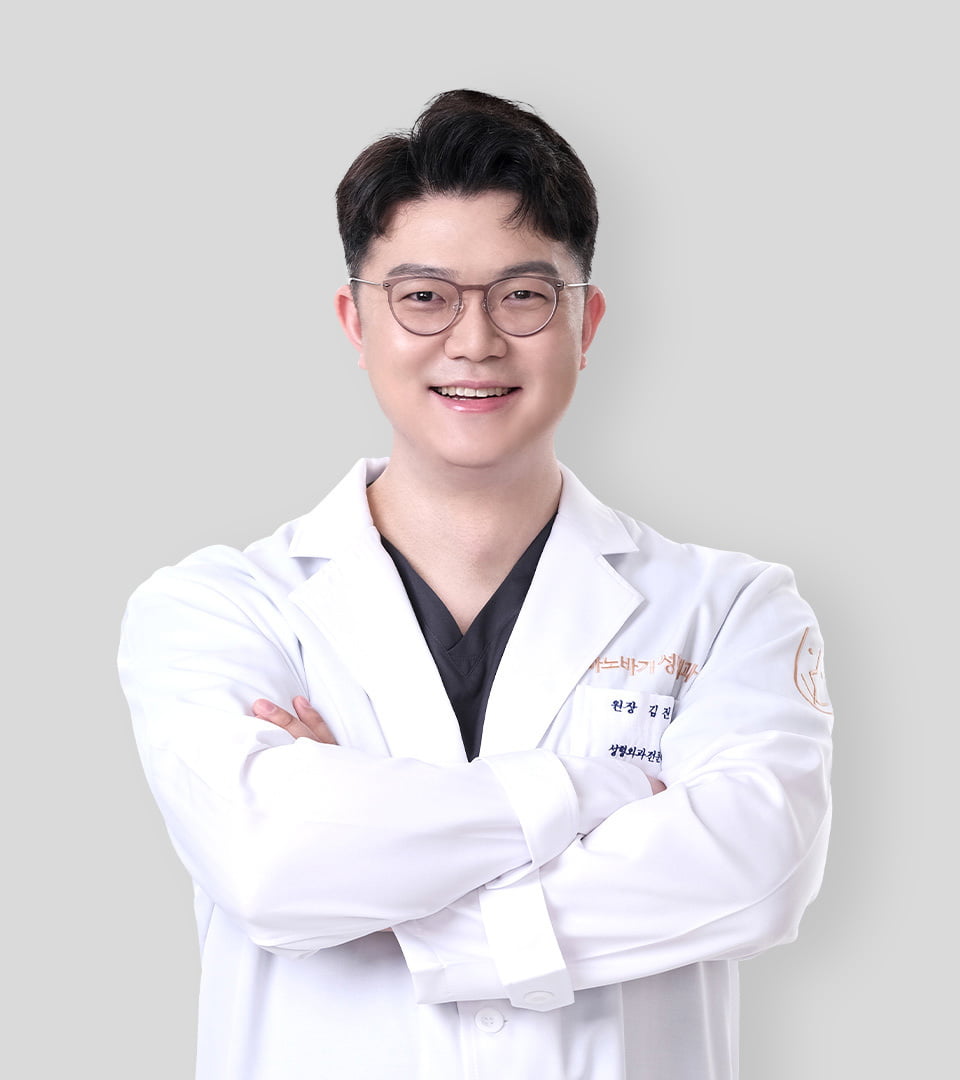
Dr. Kim Jinhyun Board Certified

Dr. Kim Jinhyun

Eye Surgery Specialist
Board-Certified Plastic Surgeon

Dr. Kim Jinhyun

Eye Surgery Specialist

  • Specialized plastic surgeon at Banobagi Plastic Surgery Clinic
  • Residency at Seoul National University Hospital
  • Master's degree in Plastic and Reconstructive Surgery from Seoul National University College of Medicine
  • Former specialized plastic surgeon at Seoul National University Hospital
  • Active member of the Korean Society of Plastic and Reconstructive Surgeons
  • Active member of the Korean Society of Aesthetic Plastic Surgery
View full profile
Meet all our surgeons

Before & After

Real patient results from Banobagi's eye surgery team. Drag the slider to compare.

Double eyelid surgery after Double eyelid surgery before
Double eyelid surgery before
Double eyelid surgery after
Before After
Double eyelid surgery after Double eyelid surgery before
Double eyelid surgery before
Double eyelid surgery after
Before After
Ptosis correction after Ptosis correction before
Ptosis correction before
Ptosis correction after
Before After
Ptosis correction after Ptosis correction before
Ptosis correction before
Ptosis correction after
Before After
Under eye surgery after Under eye surgery before
Under eye surgery before
Under eye surgery after
Before After
Under eye surgery after Under eye surgery before
Under eye surgery before
Under eye surgery after
Before After
Canthoplasty after Canthoplasty before
Canthoplasty before
Canthoplasty after
Before After
Canthoplasty after Canthoplasty before
Canthoplasty before
Canthoplasty after
Before After
Upper blepharoplasty after Upper blepharoplasty before
Upper blepharoplasty before
Upper blepharoplasty after
Before After
Upper blepharoplasty after Upper blepharoplasty before
Upper blepharoplasty before
Upper blepharoplasty after
Before After
Eyelid revision after Eyelid revision before
Eyelid revision before
Eyelid revision after
Before After
Eyelid revision after Eyelid revision before
Eyelid revision before
Eyelid revision after
Before After
View all before & after photos

Frequently Asked Questions

Recovery times vary by procedure. Non-incisional double eyelid surgery has the fastest recovery at 7–8 days for basic activities. Incisional methods require 7–8 days. Most swelling resolves within 2–4 weeks, with final results visible at 3–6 months. Stitch removal usually occurs 7–8 days after surgery.
Yes, combining eye procedures is very common and often recommended. Popular combinations include double eyelid surgery with ptosis correction, double eyelids with canthoplasty, or upper and lower eyelid surgery together. Combining procedures allows for a single recovery period and often produces more harmonious results.
The choice depends on your eyelid anatomy and goals. Non-incisional (suture) method is best for patients with thin eyelid skin, minimal fat, and who want faster recovery with minimal scarring. Incisional method is recommended for patients with thicker skin, excess fat, drooping eyelids, or those who want permanent, long-lasting results. A consultation is essential to determine the most suitable technique.
For most eye surgery procedures, a stay of 7–8 days is recommended. This allows time for your pre-surgery consultation (day 1), the surgery itself (day 2), initial recovery and monitoring (days 3–5), and stitch removal and follow-up (days 7–8). Some patients with non-incisional procedures may need as few as 7–8 days.
Most patients report minimal discomfort during the procedure, which is performed under local or sedation anesthesia. Post-operative discomfort is typically mild and managed with prescribed pain medication. The most common sensations in the first week are swelling, tightness, and light sensitivity, not sharp pain.
Yes. The majority of Banobagi's eye surgery patients travel specifically from overseas. The clinic provides multilingual coordinators, pre-surgery consultations via WhatsApp and email, and comprehensive aftercare support for international patients. A typical trip to Korea for eye surgery requires a stay of 7–8 days.
Most surgeons recommend waiting until at least 18, when eyelid anatomy has fully developed. The procedure is commonly performed on patients in their 20s to 40s. For mid-aged blepharoplasty addressing age-related sagging, patients are typically 40 or older. There is no upper age limit provided overall health is good; your surgeon will assess suitability during consultation.

Ptosis is typically identified when the upper eyelid covers more than 1–2mm of the iris. Common signs include: one or both eyelids sitting lower than normal, a habit of raising the eyebrows to see clearly, forehead tension or headaches from constant brow-lifting, and appearing permanently tired or sleepy despite adequate rest. A photo consultation with our surgeons can confirm whether ptosis correction is recommended.
For incisional methods, the incision is placed precisely within the natural eyelid crease, making it virtually invisible once fully healed at 3–6 months. Non-incisional (suture) methods leave no visible scarring. Banobagi surgeons use refined suturing techniques developed specifically to minimise scar visibility and ensure results that look completely natural.
Contact lens use is typically paused for 2–4 weeks following eye surgery to allow the incision area to heal without additional irritation. Glasses are recommended during the recovery period. Your surgeon will advise the specific timeline based on your procedure type and how healing progresses.

Begin Your Eye Surgery Journey

Send us a message with your photos and goals. Our surgeons will review your case and recommend the best procedure, all before you arrive in Seoul.

01
Send Your Photos

Message us on WhatsApp or Instagram with front-facing photos and your goals.

02
Surgeon Review

Our specialist reviews your case and recommends the ideal procedure and approach.

03
Book & Travel

Your coordinator arranges everything: surgery date, accommodation guidance, and aftercare plan.

Free Consultation

Reach out through your preferred channel. We typically respond within 2 hours.

Chat on WhatsApp Message on Instagram
or follow us

CONTACT US

517 Nonhyeon-Ro, Gangnam-Gu, Seoul Korea

X

emailicon E-MAIL

english@banobagi.com

Please feel free to contact us,
and we will reply you as soon as possible.
go-top go-top