


When individuals seek rhinoplasty in Korea, the focus is often on achieving a more balanced and harmonious facial appearance. However, a truly successful nasal transformation at Banobagi Plastic Surgery clinic addresses both the aesthetic and the functional. One of the most common internal issues affecting nasal health is enlarged turbinates, which can cause chronic congestion and significantly impair your ability to breathe freely.
Turbinate reduction is a highly effective surgical solution designed to open the nasal passages, restore natural airflow, and improve your overall quality of life.
What are Nasal Turbinates?
Turbinates are long, narrow, curved structures made of bone and soft tissue located inside your nasal cavity. They play a vital role in your respiratory health by warming, filtering, and humidifying the air you breathe before it reaches your lungs.
Most people have three pairs of turbinates (superior, middle, and inferior). The inferior turbinates are the largest and most prone to becoming chronically swollen or enlarged—a condition known as turbinate hypertrophy. When this happens, the airway is physically narrowed, making it feel as though your nose is constantly blocked.
Signs You May Benefit from Turbinate Reduction
While temporary swelling from a cold or allergies is normal, you may be a candidate for surgery if you experience persistent symptoms that do not respond to medications:
- Chronic Nasal Obstruction: A persistent feeling of a “stuffed-up” nose that makes it difficult to breathe.
- Difficulty Sleeping: Nasal blockage often leads to mouth breathing, which can contribute to snoring and obstructive sleep apnea.
- Frequent Sinus Issues: Enlarged turbinates can trap mucus and restrict drainage, leading to recurring sinus infections and headaches.
- Reduced Sense of Smell: Chronic inflammation can interfere with your ability to appreciate scents and flavors.
- Dependency on Nasal Sprays: Needing over-the-counter decongestant sprays daily just to breathe.
The Banobagi Approach: Form and Function
At Banobagi Korea Plastic Surgery clinic, we specialize in functional rhinoplasty, which addresses structural obstructions alongside aesthetic concerns. Our surgeons prioritize preserving the natural function of your nose while creating a more refined contour.
Advanced Diagnostic Precision
Safety and success begin with accurate imaging. We utilize high-resolution 3D-CT scans to analyze your internal nasal anatomy, identifying the exact degree of turbinate enlargement and checking for other contributing factors, such as a deviated septum.
/assets/images/provider/photos/2820434.jpeg)
Specialized Surgical Techniques
Our surgeons use a variety of modern techniques to reduce turbinate size while protecting the delicate mucosal lining:
- Radiofrequency Ablation: A minimally invasive method that uses controlled heat energy to shrink the internal tissue without removing bone.
- Microdebrider-Assisted Turbinoplasty: A precise technique that removes a small portion of the internal tissue through a tiny incision, leaving the outer lining intact.
- Partial Resection: For severe cases, a small piece of the turbinate bone and tissue may be removed to ensure a clear airway.
The Benefits of Combining Procedures
Many patients choose to have turbinate reduction performed concomitantly with rhinoplasty in Korea. This integrated approach offers several advantages:
- Superior Long-Term Outcomes: Addressing both structural and aesthetic issues in one session reduces the risk of needing revision surgery later.
- Reduced Recovery Time: Instead of two separate healing periods, you only undergo one surgical session and one recovery phase.
- Enhanced Results: Functional improvements, such as straightening a deviated septum, often complement the aesthetic goals of reshaping the nose.
What to Expect During Recovery
Recovery from turbinate reduction is typically straightforward and relatively fast.
The First Few Days
- Nasal Congestion: It is normal to feel “stuffed up” for a few days due to temporary swelling after surgery.
- Nasal Discharge: You may experience mild bleeding or a clear, blood-stained discharge for about one to two weeks.
- Discomfort Management: Most patients report only mild discomfort, which can be easily managed with prescribed pain medication.
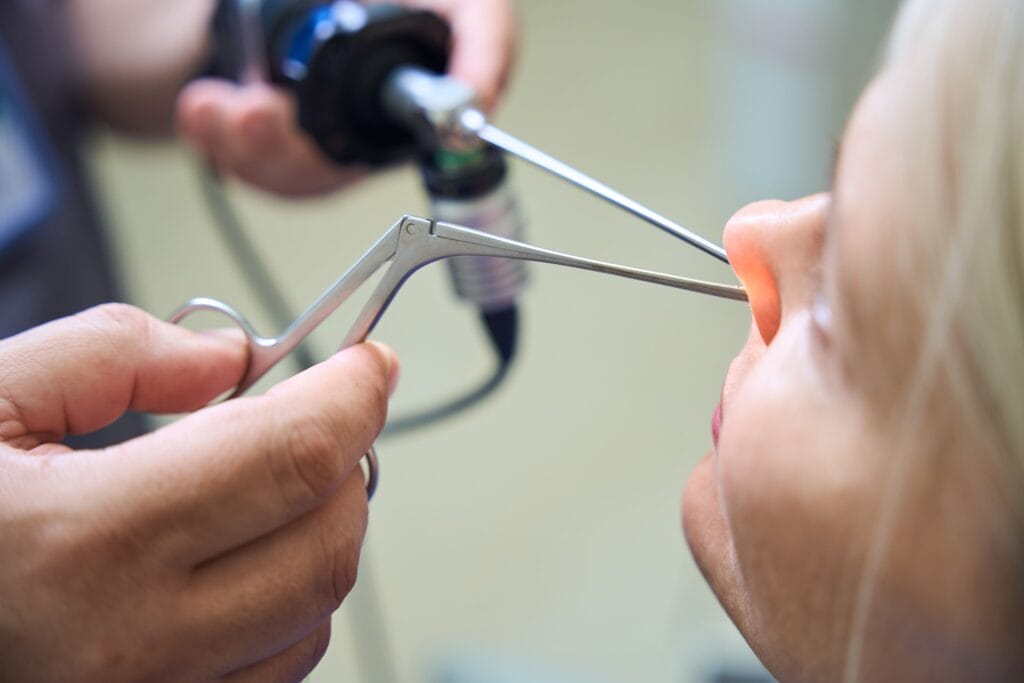
Essential Aftercare Tips
To ensure optimal healing and long-lasting results, follow these professional guidelines:
- Maintain Nasal Hygiene: Use gentle saline nasal sprays or irrigation several times a day to keep the passages moist and clear of crusts.
- Avoid Forceful Nose Blowing: Protect the healing tissues and any internal dressings for at least the first week.
- Limit Strenuous Activity: Rest for a few days and avoid heavy lifting or intense exercise for about one to two weeks.
- Steer Clear of Irritants: Avoid exposure to smoke, dust, and other potential irritants that can cause unnecessary inflammation.
Why Choose Banobagi for Your Nasal Health?
Banobagi is a leading institution in rhinoplasty in Korea, renowned for combining medical expertise with artistic vision. Our comprehensive care system ensures that your journey—from the initial 3D diagnosis to the final follow-up visit—is safe, professional, and tailored to your specific needs.
By addressing the root cause of your breathing problems, we help you regain your energy, improve your sleep, and enjoy the clarity of a truly healthy nose.
Conclusion
Turbinate reduction is a life-changing procedure for those struggling with chronic nasal obstruction. At Banobagi Korea Plastic Surgery clinic, we are dedicated to providing results that not only enhance your profile but also restore your foundational health.
Experience the freedom of breathing freely and the confidence of a perfectly refined nose. Your path to a better quality of life begins with a professional consultation at Banobagi.
To learn more about our functional nasal procedures or to view our latest aesthetic results, visit the official nose surgery in Korea website.
Why Choose Banobagi?
Two decades. Thousands of procedures. One standard: if it looks done, it's not done well enough.
Every Banobagi surgeon operates within a tight specialisation. Fewer procedure types, more mastery. That's the model, and it works.
We're not the only clinic in Korea. We're the one other clinics measure themselves against.


 E-MAIL
