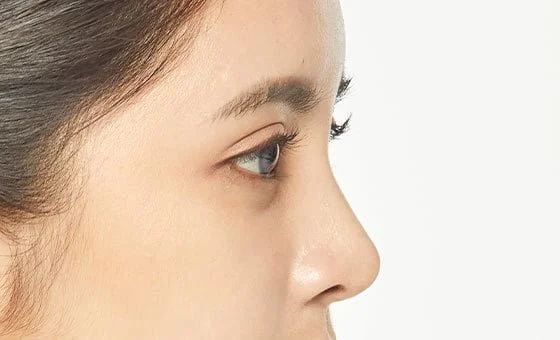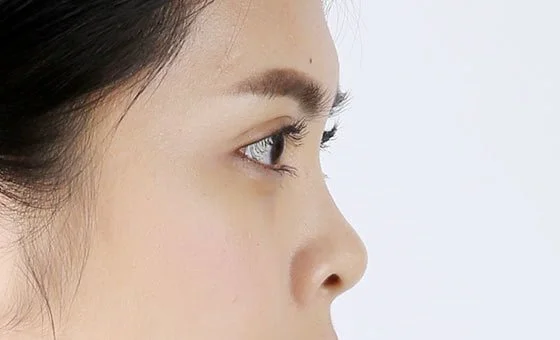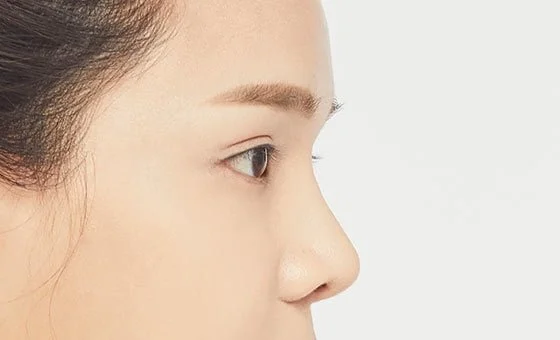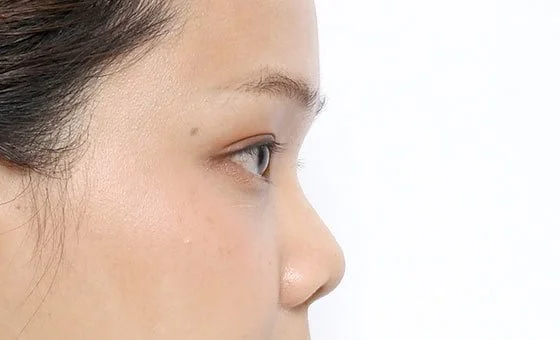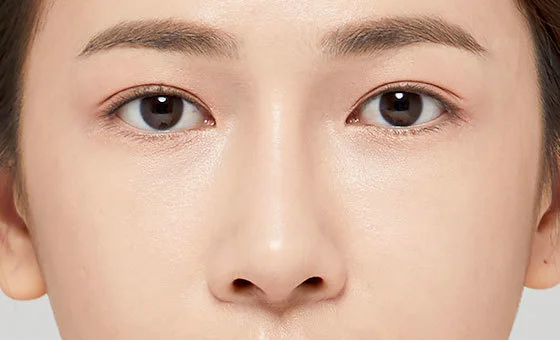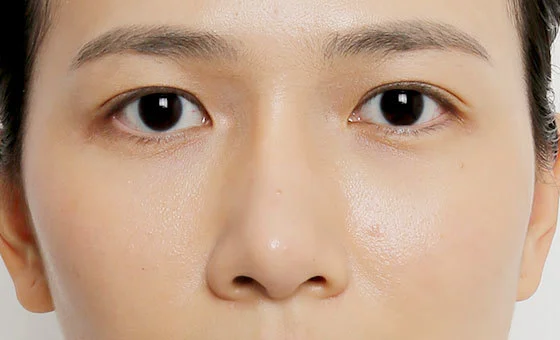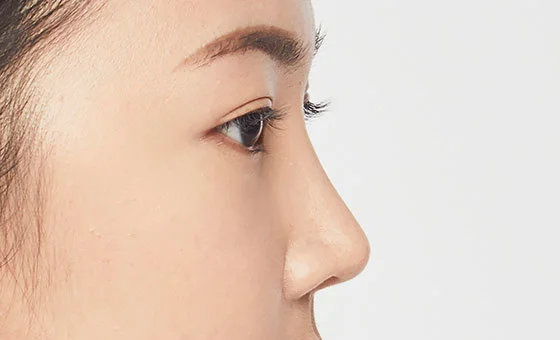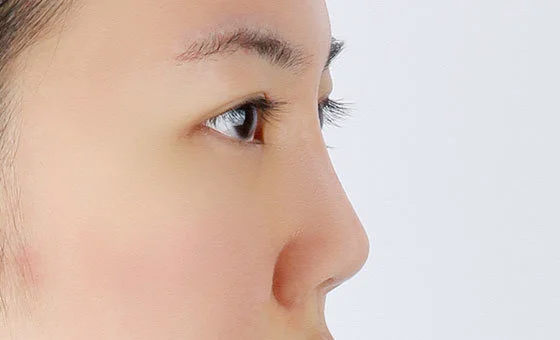
Banobagi Nose Surgery

Nose Surgery in Korea by
Board-Certified Specialists

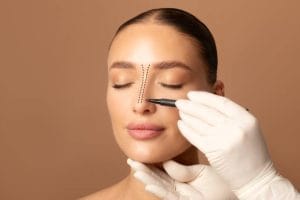
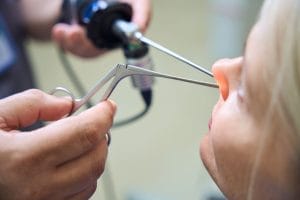
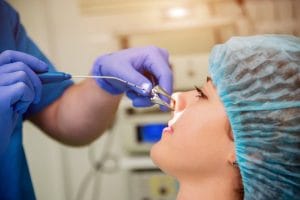
From augmentation rhinoplasty and hump reduction to alarplasty and revision surgery, every nose procedure is performed by dedicated rhinoplasty surgeons in Gangnam, Seoul.

Global Leader in Safe and Natural Plastic Surgery since 2000
26+
Years Experience
Certified
Rhinoplasty Specialist Surgeons
50+
Countries Served
What's the Difference?

Harmony Before Height

"A taller, flashier nose can actually disrupt your face. Harmony is what makes it beautiful."

Simply building a higher, flashier nose can throw your whole face out of balance. Our approach calculates the angle and height that match your facial proportions, selects the implant and surgical method best suited to your anatomy, and addresses any underlying conditions so the nose can properly perform its natural functions. Banobagi plans every surgery with this level of precision to ensure results that satisfy for the long term.

Why Korea for Nose Surgery?

Korea leads the world in rhinoplasty volume, technique innovation, and patient satisfaction for nose procedures.

1st

Highest Volume Globally

South Korea performs more rhinoplasty procedures per capita than any other country. This volume means surgeons develop unmatched expertise through sheer repetition, with many Korean nose surgeons performing hundreds of rhinoplasty procedures per year.

20+

Years of Specialized Training

Korean rhinoplasty surgeons undergo rigorous medical school, residency, and years of subspecialty fellowship training. This depth of specialization in nasal anatomy, cartilage techniques, and facial harmony is rare in Western countries where surgeons often perform a broader range of procedures.

50%

Lower Cost vs. Western Countries

Nose surgery in Korea costs 30–50% less than equivalent procedures in the United States, United Kingdom, or Australia, without compromising quality. Korea's competitive market and high surgical volume keep pricing accessible for international patients.

Asian

Nasal Anatomy Expertise

Korean rhinoplasty techniques were developed specifically for Asian nasal anatomy, including lower nasal bridges, thicker skin, and weaker cartilage structure. This expertise extends to all ethnicities, as surgeons understand nasal structure at a deeper anatomical level for both augmentation and reduction.

Did You Know?

Korean rhinoplasty techniques prioritize the use of autologous cartilage for tip plasty, using your own septal or ear cartilage rather than synthetic materials. This approach produces the most natural-looking, long-lasting results with minimal risk of complications. Korea’s medical tourism infrastructure, including multilingual coordinators, international patient lounges, and airport pickup services, makes the entire journey seamless.

Nose Surgery Procedures

Each procedure is performed by surgeons who specialize exclusively in rhinoplasty and nasal reconstruction techniques.

Popular Combinations

Augmentation rhinoplasty + alarplasty is the most popular combination, building a defined bridge while narrowing the nostrils for balanced proportions. Rhinoplasty + functional correction addresses both appearance and breathing in a single session. Combining procedures reduces total recovery time and produces more harmonious results.

Not sure which nose procedure is right for you?

Send us a photo and our surgeons will recommend the best approach for your goals.

Compare Nose Surgery Procedures

Quick comparison to help you understand the differences. Your surgeon will provide a personalized recommendation during consultation.

Procedure Best For Technique Often Combined With
Augmentation Rhinoplasty Low nasal bridge, flat nose, undefined tip Silicone implant for bridge + autologous cartilage for tip refinement Alarplasty, functional rhinoplasty
Hump Nose Correction Prominent bump on nasal bridge, strong profile Bone and cartilage grinding or removal to smooth the bridge line Tip plasty, osteotomy
Wide Nose Reduction Wide nasal bones, broad bridge, oversized nose Nasal bone osteotomy: cutting and repositioning wide nasal bones inward Augmentation, hump reduction
Deviated Nose Correction Crooked nose, asymmetry, trauma-related deviation Medial and lateral osteotomies to straighten and reposition nasal bones Functional rhinoplasty
Alarplasty Wide nostrils, flared alar rim, bulbous tip Alar rim excision or elastic thread pulling to narrow the nostrils Augmentation rhinoplasty
Functional Rhinoplasty Breathing difficulty, deviated septum, chronic rhinitis Septoplasty, turbinate reduction, nasal valve repair with aesthetic refinement Augmentation, deviation correction
Nose Revision Unsatisfactory results from previous rhinoplasty Scar tissue dissection, implant replacement, cartilage reshaping and grafting Alarplasty, functional rhinoplasty

Who Is a Good Candidate for Nose Surgery?

Nose surgery is suitable for a wide range of patients. Here are the most common reasons people seek each procedure.

Augmentation Rhinoplasty

  • You have a low, flat nasal bridge and want more definition
  • Your nose tip is blunt, undefined, or drooping
  • You want to improve your side profile and facial balance
  • You are a first-time rhinoplasty candidate in good health

Reduction Rhinoplasty

  • You have a visible hump or bump on your nasal bridge
  • Your nose appears too wide for your facial proportions
  • Your nose is crooked or deviated due to genetics or injury
  • You want a smoother, straighter nose profile

Alarplasty

  • Your nostrils are wide, flared, or disproportionate to your nose
  • Your nose appears flat or bulbous due to wide alar rims
  • You want slimmer nostrils without changing the bridge
  • You are looking for a quick procedure with minimal downtime

Functional Rhinoplasty

  • You have chronic difficulty breathing through your nose
  • You suffer from a deviated septum, rhinitis, or sinusitis
  • You experience nasal stuffiness, snoring, or sleep disruption
  • You want to improve both breathing function and nose aesthetics

Nose Revision Surgery

  • You are dissatisfied with results from a previous rhinoplasty
  • Your nose appears crooked, too high, too low, or unnatural after surgery
  • You experience implant visibility, contracture, or redness
  • At least 6 months have passed since your original procedure

General Requirements

  • You are at least 16–18 years old (after nasal growth is complete)
  • You are in good general health with no uncontrolled conditions
  • You have realistic expectations about what surgery can achieve
  • You are willing to follow pre- and post-operative care instructions

How to Prepare for Nose Surgery in Korea

Good preparation makes for a smoother procedure and faster recovery. Here is what to do at each stage before your surgery date.

01

2–4 Weeks Before Arrival

  • Stop taking aspirin, ibuprofen, fish oil, vitamin E, and herbal supplements, as these increase bleeding risk
  • Stop weight-loss medications such as Wegovy or Mounjaro at least 2 weeks before surgery
  • Stop blood thinners at least 1 week before surgery (consult your prescribing doctor first)
  • Inform the clinic of any regular medications you take, as some may need to be reviewed by the anesthesiologist
  • Avoid alcohol for at least 2 weeks before surgery
  • If you smoke, stop as early as possible, as smoking significantly impairs nasal tissue healing
  • Arrange travel and accommodation close to the clinic in Gangnam, Seoul
  • Send pre-consultation photos (front, side profile, and 45-degree angle) to your coordinator via WhatsApp or email
02

1 Week Before Surgery

  • Complete all pre-operative blood tests and health screening as directed
  • Remove acrylic nails or nail polish, as oxygen saturation is monitored via fingernails during surgery
  • Prepare a button-down shirt or zip-up clothing to avoid pulling anything over your nose post-surgery
  • Confirm your surgery date and pre-operative consultation time with your coordinator
  • Arrange for someone to accompany you on surgery day
03

The Day Before Surgery

  • Fast for 6 to 8 hours before surgery (no food or water unless instructed otherwise by your surgeon)
  • Wash your face thoroughly and do not apply creams, makeup, or skincare products
  • Get a full night of rest to support your body's healing response
  • Prepare a travel pillow or neck pillow for sleeping elevated after surgery
  • Charge your phone and download offline entertainment for post-surgery rest time
04

What to Bring to the Clinic

  • Passport or government-issued photo ID
  • A list of any medications you currently take (prescription or over-the-counter)
  • A scarf or face mask for covering the nasal splint when going outside during recovery
  • A companion or your coordinator's contact details for the journey home
  • Payment and any pre-arranged deposit confirmation
Your Coordinator Will Guide You

Every Banobagi patient is assigned a dedicated multilingual coordinator who provides a personalised preparation checklist ahead of your surgery date. If you have any questions at any stage, whether before you arrive or during your stay, your coordinator is available to help.

Nose Surgery Recovery & Aftercare

What to expect after your procedure and how to ensure the best possible results.

Day 1–3

Immediate Recovery

Nasal splint in place. Swelling and bruising around the nose and under the eyes peak within 48–72 hours. Sleep elevated, use cold compresses, and breathe through your mouth. Avoid blowing your nose.

Day 7–10

Splint & Stitch Removal

Nasal splint and stitches are removed. Your surgeon assesses healing progress. Swelling has noticeably reduced. You are cleared for light daily activities and travel home.

Week 2–4

Gradual Improvement

Bruising fades and the nose shape begins to refine. Return to work and social activities. Light exercise can resume after 3 weeks. Avoid contact sports, swimming, and wearing glasses directly on the bridge.

Month 6–12

Final Results

All residual swelling fully resolved, especially at the tip. Your nose has settled into its permanent shape. Scars are virtually invisible. The nose looks completely natural from every angle.

Travel Tip

Plan to stay in Seoul for at least 10 days after your nose surgery. This allows time for your post-operative check-ups, splint and stitch removal, and initial recovery before flying home. The cabin pressure during flights can cause discomfort if you travel too soon after rhinoplasty. Many international patients combine their medical trip with sightseeing in Seoul once cleared for light activity around day 7–10.

Why Patients Choose Banobagi for Nose Surgery

Board-Certified Specialists

Every surgeon holds certification from the Korean Board of Plastic Surgery with dedicated rhinoplasty training and years of focused experience.

Real-Name Surgeon System

Your named surgeon performs the entire procedure from start to finish. No ghost surgeries, ever.

Full-Time Anesthesiologist Team

Dedicated anesthesiologists monitor every procedure from start to finish for your safety.

Multilingual Coordinators

1:1 patient coordinators in 8+ languages guide you through every step of your journey.

3D CT Scanning & Diagnosis

Advanced 3D CT imaging allows precise pre-operative planning of your nasal structure for predictable, accurate results.

Autologous Cartilage Technique

Nasal tips shaped using your own cartilage for the most natural look and feel, avoiding synthetic tip materials.

Rhinoplasty Specialists

Board-certified plastic surgeons with decades of dedicated experience in Korean rhinoplasty techniques.

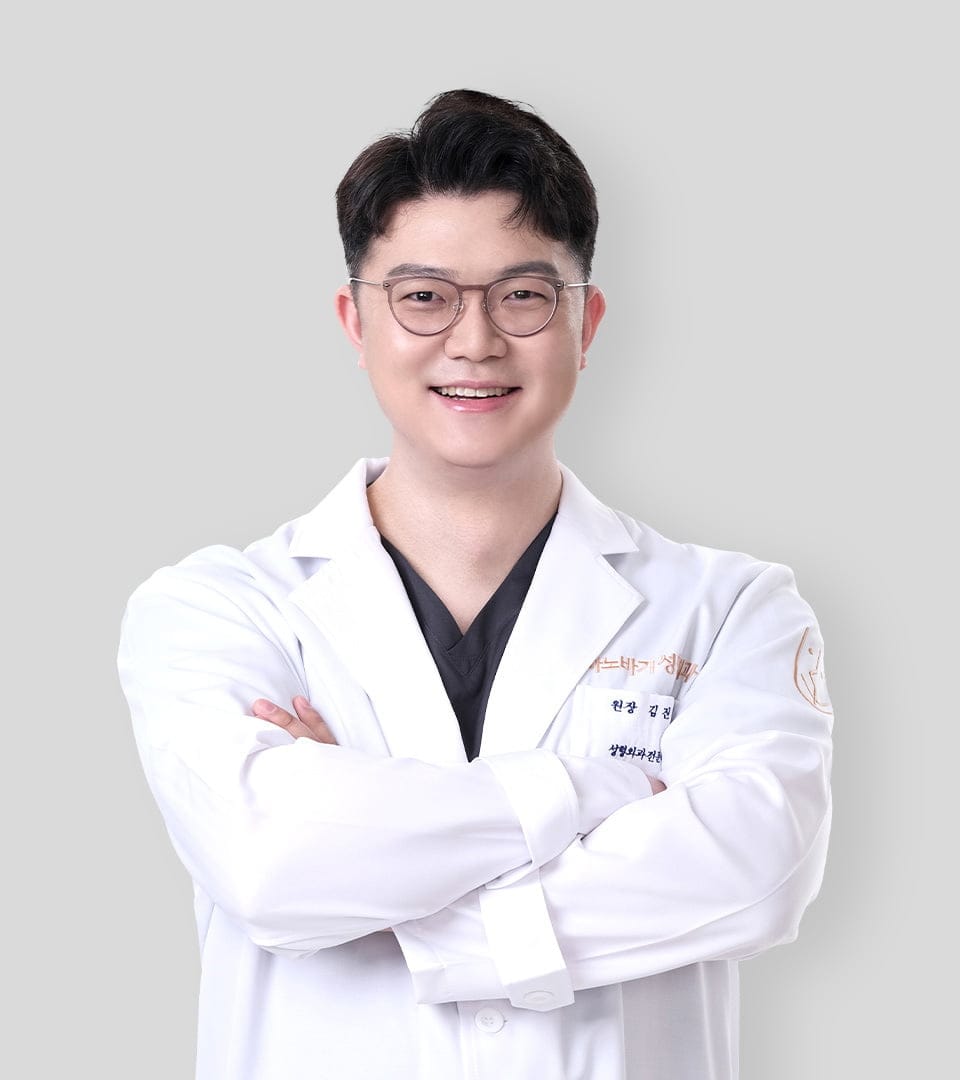
Dr. Kim Jinhyun Board Certified

Dr. Kim Jinhyun

Rhinoplasty Specialist
Board-Certified Plastic Surgeon

Dr. Kim Jinhyun

Rhinoplasty Specialist

  • Specialized plastic surgeon at Banobagi Plastic Surgery Clinic
  • Residency at Seoul National University Hospital
  • Master's degree in Plastic and Reconstructive Surgery from Seoul National University College of Medicine
  • Former specialized plastic surgeon at Seoul National University Hospital
  • Active member of the Korean Society of Plastic and Reconstructive Surgeons
  • Active member of the Korean Society of Aesthetic Plastic Surgery
View full profile
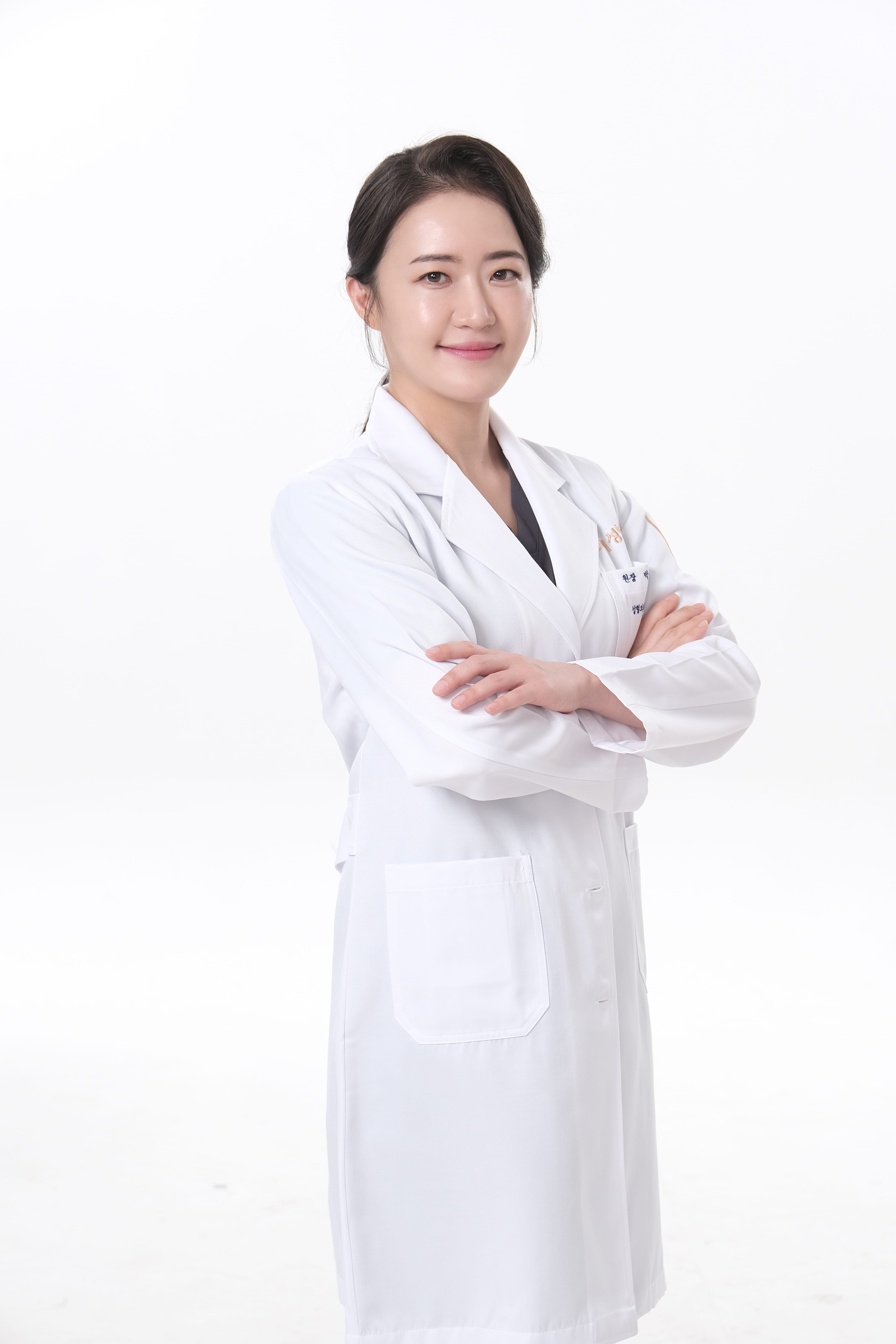
Dr. Eon Ju Park Board Certified

Dr. Eon Ju Park

Rhinoplasty Specialist
Board-Certified Plastic Surgeon

Dr. Eon Ju Park

Rhinoplasty Specialist

  • Specialized plastic surgeon at Banobagi Plastic Surgery Clinic
  • Kosin University College of Medicine
  • Master's Degree in Medicine, Kosin University Graduate School
  • Residency, Department of Plastic Surgery, Kosin University Gospel Hospital
  • Clinical Instructor & Specialist, Department of Plastic Surgery, Seoul National University Bundang Hospital
  • Former Director, BK Plastic Surgery
View full profile
Meet all our surgeons

Before & After

Real patient results from Banobagi's rhinoplasty team. Drag the slider to compare.

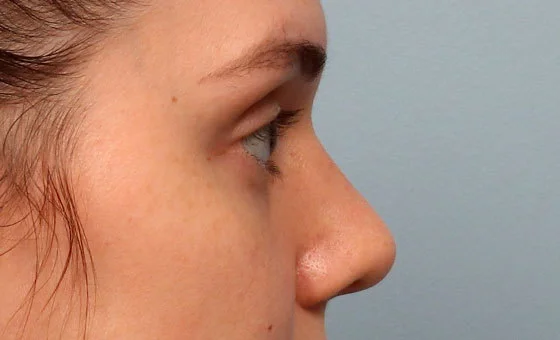
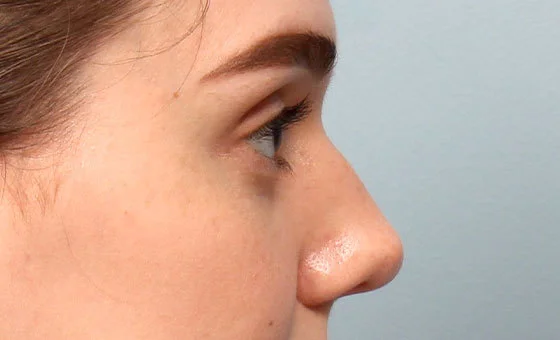
Augmentation rhinoplasty after Augmentation rhinoplasty before
Augmentation rhinoplasty before
Augmentation rhinoplasty after
Before After
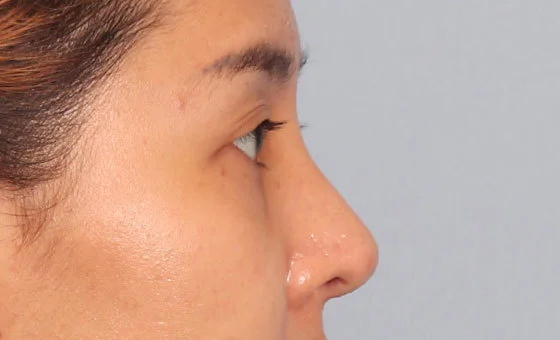
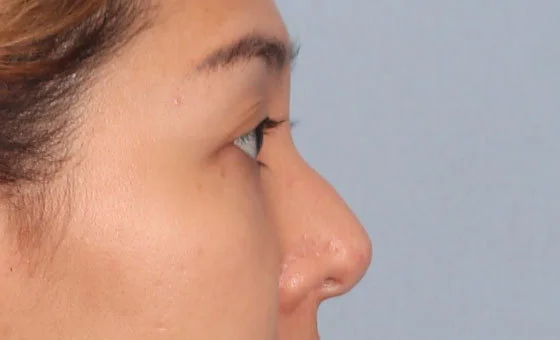
Augmentation rhinoplasty after Augmentation rhinoplasty before
Augmentation rhinoplasty before
Augmentation rhinoplasty after
Before After
Hump reduction after Hump reduction before
Hump reduction before
Hump reduction after
Before After
Hump reduction after Hump reduction before
Hump reduction before
Hump reduction after
Before After
Alarplasty after Alarplasty before
Alarplasty before
Alarplasty after
Before After
Alarplasty after Alarplasty before
Alarplasty before
Alarplasty after
Before After
Nose revision after Nose revision before
Nose revision before
Nose revision after
Before After
Nose revision after Nose revision before
Nose revision before
Nose revision after
Before After
View all before & after photos

Frequently Asked Questions

Most rhinoplasty procedures require 7–10 days for splint and stitch removal. Alarplasty has the fastest recovery at 3–5 days for basic activities. Major swelling subsides within 2–4 weeks, but the final nose shape settles at 6–12 months as residual tip swelling fully resolves. You can typically resume daily activities 7–10 days after surgery.
Yes, combining nose procedures is very common and often recommended for optimal results. Popular combinations include augmentation rhinoplasty with alarplasty, hump reduction with tip plasty, or cosmetic rhinoplasty with functional correction for breathing. Combining procedures allows for a single recovery period and produces more harmonious, balanced results.
Banobagi uses a combination approach: medical-grade silicone implants for the nasal bridge and autologous (your own) cartilage for the nasal tip. Cartilage is typically harvested from the nasal septum or ear. This combination ensures a natural-looking bridge with a soft, natural-feeling tip that ages well. The use of your own cartilage for the tip significantly reduces the risk of complications compared to synthetic tip materials.
For most rhinoplasty procedures, a stay of at least 10 days is recommended. This allows time for your pre-surgery consultation (day 1), the surgery itself (day 2), initial recovery with the nasal splint (days 3–7), splint and stitch removal (days 7–10), and a follow-up check before departing. Alarplasty patients may need as few as 7 days.
Most patients describe the discomfort as mild to moderate rather than intense pain. The procedure is performed under sedation anesthesia, so you feel nothing during surgery. Post-operative discomfort is managed with prescribed medication. The most common sensations in the first week are pressure and stuffiness from internal swelling, mild soreness, and temporary mouth-breathing rather than sharp pain.
Yes. A large proportion of Banobagi's rhinoplasty patients travel specifically from overseas. The clinic provides multilingual coordinators, pre-surgery consultations via WhatsApp and email, and comprehensive aftercare support for international patients. A typical trip to Korea for nose surgery requires a stay of at least 10 days.
Most surgeons recommend waiting until nasal growth is complete, typically 16–17 for females and 17–18 for males. The procedure is commonly performed on patients in their 20s to 40s. There is no upper age limit provided overall health is good; your surgeon will assess suitability during consultation.
Rhinoplasty results are permanent. The structural changes made to bone and cartilage during surgery remain intact throughout your life. While the nose may undergo very subtle changes with natural aging, the improvements from surgery are long-lasting. Implants and cartilage grafts maintain their position and shape over time with proper surgical technique.
Most rhinoplasty at Banobagi uses an open technique with a small incision on the columella (the strip of skin between the nostrils). This incision heals to become virtually invisible within 3–6 months. All other incisions are made inside the nostrils, leaving no visible external scarring. Alarplasty incisions are placed in the natural crease where the nostril meets the cheek, making them nearly undetectable once healed.
Yes. Functional rhinoplasty specifically addresses breathing issues such as deviated septum, nasal valve stenosis, turbinate hypertrophy, and chronic rhinitis. At Banobagi, cosmetic and functional improvements can be performed simultaneously, so you can achieve a more aesthetically balanced nose while also resolving breathing difficulties in a single session.
Nose revision surgery can address most issues from a previous rhinoplasty, including crookedness, implant visibility, contracture, drooping tip, or unsatisfactory shape. Revision rhinoplasty is more complex than primary surgery, requiring expertise in scar tissue management, cartilage grafting, and implant repositioning. It is recommended to wait at least 6–12 months after your original surgery before revision, so tissues have fully healed. Banobagi's revision specialists have extensive experience correcting results from both Korean and international clinics.

Begin Your Nose Surgery Journey

Send us a message with your photos and goals. Our surgeons will review your case and recommend the best procedure, all before you arrive in Seoul.

01
Send Your Photos

Message us on WhatsApp or Instagram with front, side, and 45-degree photos plus your goals.

02
Surgeon Review

Our rhinoplasty specialist reviews your case and recommends the ideal procedure and approach.

03
Book & Travel

Your coordinator arranges everything: surgery date, accommodation guidance, and aftercare plan.

Free Consultation

Reach out through your preferred channel. We typically respond within 2 hours.

Chat on WhatsApp Message on Instagram
or follow us

CONTACT US

517 Nonhyeon-Ro, Gangnam-Gu, Seoul Korea

X

emailicon E-MAIL

english@banobagi.com

Please feel free to contact us,
and we will reply you as soon as possible.
go-top go-top