


Botched upper eyelid surgery can lead to significant aesthetic and functional distress, but a secondary procedure, known as eyelid revision surgery, offers a path toward restoration. Revision blepharoplasty begins with identifying exactly why the first operation failed. Excessive skin removal, an unstable crease, asymmetry, ptosis, or restrictive scar tissue each require a different corrective strategy. Banobagi evaluates both eyelid function and appearance before planning a secondary procedure.
Identifying Symptoms of a Botched Eyelid Surgery
A “botched” result typically manifests as either a functional impairment or a clear aesthetic defect. Common indicators that you may require korea eyelid surgery for revision include:
- High or “Sausage” Double Eyelids: Occurs when the crease was placed too high, resulting in an unnaturally thick or puffy appearance.
- Asymmetrical Eyelids: Visible differences in the height, depth, or shape of the crease between the two eyes.
- Ptosis (Droopy Lids): When the eyelid muscle (levator) was not properly addressed, leaving the eyes looking sleepy or tired.
- Hollowed or Sunken Eyes: Caused by the over-removal of orbital fat during the initial surgery.
- Inability to Close Eyes: A serious complication where too much skin was removed, leading to chronic dry eye and vision risks.
- Severe Scarring: Visible bumps or thick scar tissue along the incision line.
The Complexity of Revision Blepharoplasty
Revision surgery is technically demanding because the surgeon must navigate “scarred planes” where the original blood supply and tissue layers have been compromised. This is why choosing a highly experienced specialist is critical.
Anatomical Challenges
The primary challenge in revision cases is the lack of healthy tissue. If too much skin or fat was removed in the first operation, the surgeon must use advanced techniques like fat grafting or tissue repositioning to reconstruct the eyelid’s natural volume.
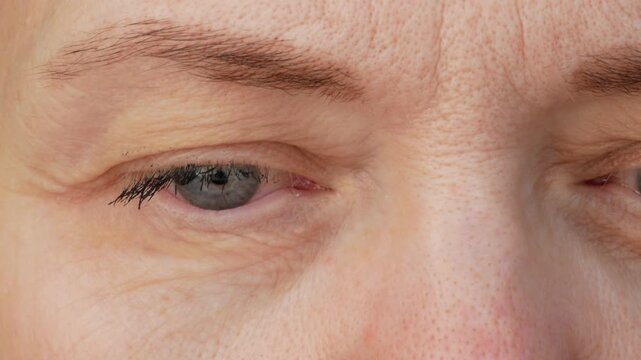
Realistic Expectations
Unlike primary surgery, where the goal is perfection, the goal of revision is meaningful improvement. Patients should expect a significant refinement of their appearance, though total restoration of pre-surgery anatomy depends on the severity of the initial damage.
Banobagi’s Advanced Revision Techniques
At Banobagi, we utilize a multi-step diagnostic and surgical process to ensure this is your “last” revision.
- Adhesion Release: For deep or high creases, we release the internal scar tissue (adhesions) and reposition the crease at a lower, more natural point.
- Ptosis Correction: If the eyes look “sleepy,” we strengthen the levator muscle through an incisional or non-incisional approach to ensure the eyes open widely and brightly.
- Scar Revision: We use meticulous suturing techniques and, if necessary, steroid injections or laser therapy to soften and flatten thick scars.
- Volume Restoration: If the lids are hollow, we employ fat transposition or sub-brow fillers to restore a youthful fullness.
When is the Right Time for Revision?
Timing is the most critical safety factor in revision surgery.
- Wait for Healing: Patients must typically wait 6 months to 1 year after their initial surgery before seeking revision.
- Scar Maturation: Tissues need this time to stabilize and for internal scar tissue to soften (subside).
- Functional Exceptions: If you cannot close your eyes or are experiencing vision obstruction, earlier intervention may be necessary.
The Banobagi Safety Standard
Banobagi Plastic Surgery Clinic is built on a foundation of transparency and patient-centered care.
1. Surgeon Real-Name System
To prevent “ghost surgeries,” we guarantee that the specialist you consult with is the exact board-certified surgeon who performs your procedure. Our staff consists of specialists from Seoul National University with over 20 years of research in oculoplastic surgery.
2. On-Site Anesthesiology Team
Safety is our top priority. We maintain a team of full-time anesthesiologists who reside in the surgery room to monitor each patient’s condition precisely throughout the procedure.
3. Emergency Infrastructure
Our facility is equipped with large diesel generators, uninterruptible power supplies (UPS), and external defibrillator systems to handle any crisis during surgery.

Recovery and Aftercare for Revision Surgery
Recovery from revision blepharoplasty typically follows a similar, yet often slightly longer, timeline than the initial procedure.
| Phase | Timeline | What to Expect |
|---|---|---|
| Initial Healing | Days 1–7 | Bruising and swelling peak on days 3–4; stitches are removed around day 7. |
| Social Recovery | Weeks 2–3 | Swelling decreases significantly; makeup can often be applied to cover residual bruising. |
| Tissue Settling | Months 1–3 | Contours begin to refine; internal tissues start to soften. |
| Final Results | Months 6–12 | Scars fade and the eyelids settle into their final, permanent position. |
Essential Aftercare Instructions
- Ice Packs: Apply cold compresses frequently during the first 48–72 hours to manage swelling after surgery.
- Head Elevation: Sleep in an elevated position for the first week to encourage fluid drainage.
- Eye Protection: Wear sunglasses outdoors and avoid rubbing or tugging at your eyelids.
- Lifestyle Adjustments: Refrain from smoking and drinking alcohol for at least 4 weeks, as these can severely delay tissue healing.
Conclusion
Correcting a botched eyelid surgery requires a surgeon who possesses not only technical mastery but also a deep sense of aesthetic balance. At Banobagi, we specialize in taking on challenging cases to help our patients regain their quality of life and self-confidence. By choosing a specialist-led center with a “Safety First” philosophy, you can move forward with your transformation knowing you are in the best possible hands.
Begin Your Journey
Connect with our expert surgeons to discuss your goals and discover the ideal approach tailored to you.
Why Choose Banobagi?
Two decades. Thousands of procedures. One standard: if it looks done, it's not done well enough. Every Banobagi surgeon operates within a tight specialisation. Fewer procedure types, more mastery. That's the model, and it works.
We're not the only clinic in Korea. We're the one other clinics measure themselves against.


 E-MAIL
