


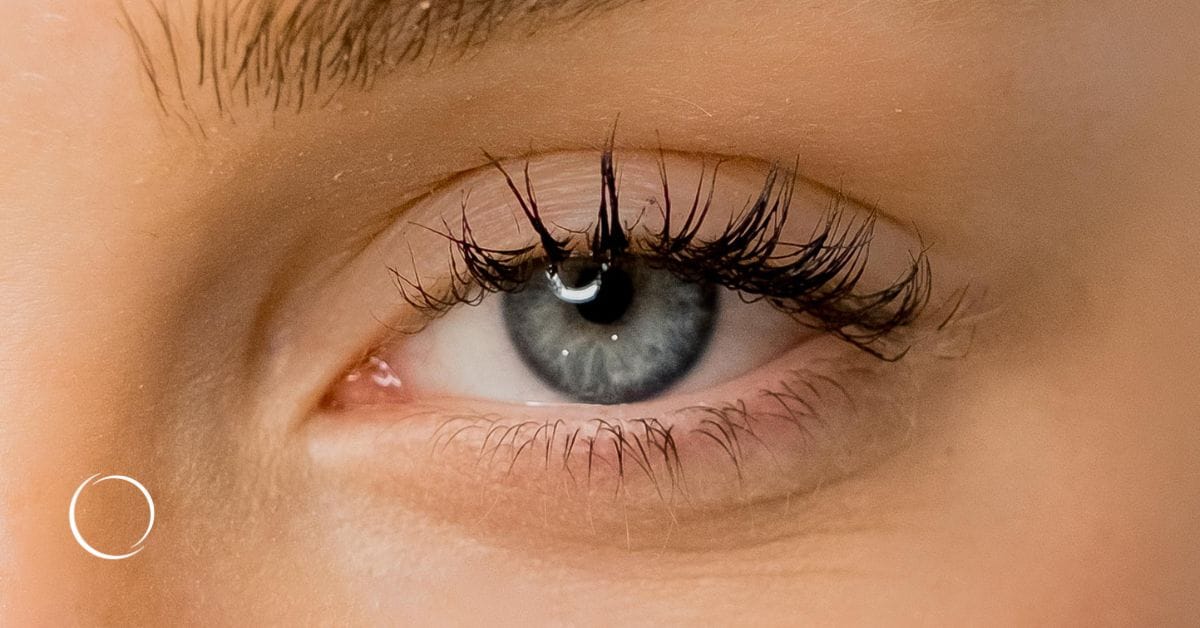
In the sophisticated world of korea eyelid surgery, achieving a beautiful and transformative eye result often requires more than just creating a traditional double eyelid crease. To truly open the eyes and create a “radiant” and clear gaze, surgeons frequently perform canthoplasty, a specialized procedure designed to horizontalize or lengthen the eye shape by refining the inner or outer corners. At Banobagi Plastic Surgery Clinic, we utilize advanced 3D dimensional canthoplasty techniques to ensure that your eye enlargement is perfectly balanced with your unique facial proportions.
What is Canthoplasty?
Canthoplasty is a specialized form of eyelid surgery that focuses on adjusting the physical corners of the eye to change its horizontal or vertical dimensions. While a standard blepharoplasty addresses the vertical height of the eye by creating a crease or removing sagging skin, canthoplasty specifically addresses the width and the subtle tilt of the eye corners.
Primary Types of Canthoplasty:
- Epicanthoplasty (Inner Corner): This involves removing or refining the “Mongolian fold” (epicanthal fold) that covers the inner corner of the eye. This helps make the eyes appear closer together and significantly wider horizontally.
- Lateral Canthoplasty (Outer Corner): This procedure lengthens the outer corner of the eye, which can help horizontalize the gaze and create a more open, “glamorous” eye shape.
- Canthopexy: Often combined with other methods, this technique reinforces the outer corner to prevent drooping and ensure a sharp, youthful tilt to the eyelid.
- Lower Canthoplasty (Dual Canthoplasty): This method lowers the outer tail of the eye, which is particularly effective for correcting “sharp” or upward-slanting eyes, resulting in a softer and kinder impression.
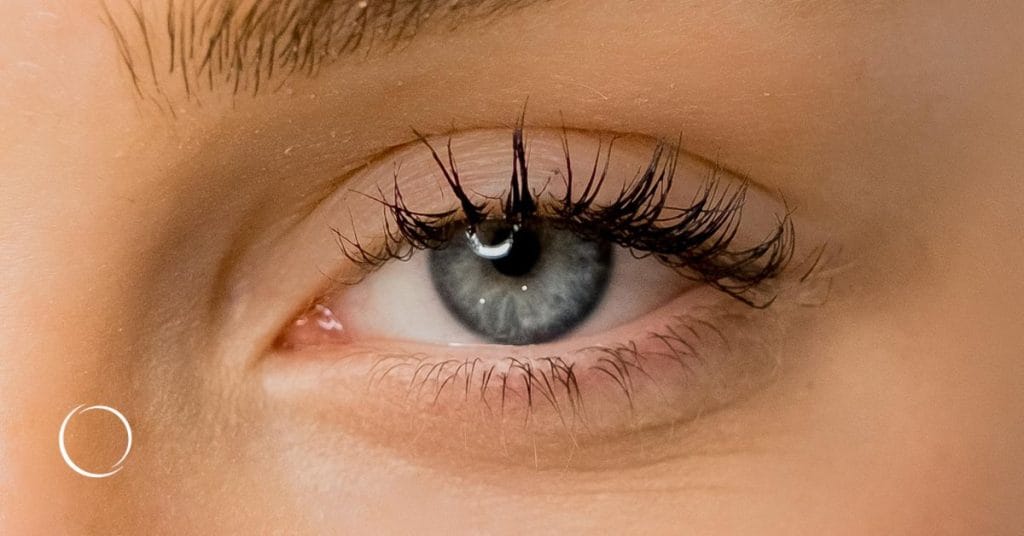
The Banobagi Advantage: 3D Dimensional Planning
At Banobagi, we don’t just “cut” the corners of the eye; we engineer a new eye dimension based on anatomical data.
1. Advanced Anatomical Analysis
Successful canthoplasty requires a deep understanding of the patient’s existing eye shape, skin elasticity, and bone structure. We utilize high-resolution imaging to analyze the “eye-opening” force and the specific position of the canthal tendons. This prevents common issues like “over-cutting,” which can lead to unnatural-looking results, visible red tissue, or functional eye problems such as dryness.
2. Specialized Surgical Precision
Our surgeons utilize microscopic instruments to handle the delicate tissues at the corners of the eyes with extreme care. This meticulous approach ensures that incision lines are virtually invisible once healed and that the natural “pink” of the inner eye (the caruncle) is exposed in a balanced, aesthetic way that does not look “operated on”.
3. Combining Procedures for Total Harmony
For most patients, canthoplasty is performed in conjunction with double eyelid surgery. This combined approach, often referred to as “Full Eye Correction,” allows for a total transformation, making the eyes look vertically taller and horizontally longer simultaneously, providing a much more vivid and clear impression.
The Surgical Process: Precision in Every Millimeter
The procedure at Banobagi is designed to be efficient while maintaining the highest safety standards.
- Anesthesia: The surgery is performed under sedation or local anesthesia, overseen by our full-time anesthesiology team.
- Operation Time: Depending on the complexity and number of corners being refined, the procedure typically takes between 30 to 60 minutes.
- Incision Placement: Incisions are strategically placed along the natural folds of the eye or inside the conjunctiva to ensure that scarring is minimized and well-hidden.
Recovery and Aftercare Roadmap
Healing from canthoplasty is generally rapid, but the delicate nature of the eye corners requires disciplined aftercare to ensure the best aesthetic results.
Phase 1: The First 72 Hours (Initial Healing)
- Managing Edema: You will experience the most significant swelling after surgery during this period.
- Consistent Cold Therapy: Use of cold compresses is vital to reduce inflammation and protect the new eye contours.
- Head Elevation: Sleeping with your head elevated helps prevent fluid from pooling around the eyes.
Phase 2: Weeks 1–2 (Stitch Removal and Social Recovery)
- Suture Removal: Sutures at the corners of the eyes are typically removed by a specialist on Day 7.
- Resuming Routine: Initial bruising usually subsides enough by the end of the first week for patients to feel comfortable in public.
- Eye Protection: Avoid rubbing the eyes or wearing contact lenses during this period to prevent tension on the incision sites.
Phase 3: Months 1–6 (Settling and Maturation)
- Major Edema Resolution: By the end of Month 1, most swelling has disappeared, and the eyes begin to look much more natural.
- Tissue Softening: Internal tissues fully soften over the course of several months.
- Final Refinement: By Month 6, the incision lines fade into pale, thin marks that are virtually invisible within the natural shadows of the eye corners.
Why Choose Banobagi for Korea Eyelid Surgery?
Banobagi Plastic Surgery Clinic is an industry leader in Seoul, known for its uncompromising commitment to safety and anatomical precision.
- Surgeon Real-Name System: We guarantee that the specialist you consult with is the exact expert who performs your surgery, ensuring that the original design plan is executed with total technical accuracy.
- Expertise in Revision: Banobagi is a top choice for patients seeking to fix “botched” canthoplasty results from other clinics, using advanced reconstruction techniques to restore a natural look.
- On-Site Anesthesiology: Even for eye procedures, safety is paramount. Our board-certified, full-time anesthesiologists monitor your condition in real-time throughout the procedure.
- Customized Post-Op Care: We provide 1:1 tailored recovery programs, including specialized treatments like LED therapy to manage swelling and accelerate the healing of sensitive eye tissues.

Safety and Risks: A Professional Perspective
While canthoplasty is a common procedure, it requires a high degree of skill to avoid complications. At Banobagi, we minimize risks by:
- Avoiding Over-Correction: We ensure the corners are not lengthened beyond the natural limit of the eye’s orbital bone.
- Preventing “Webbing”: Specialized suturing techniques are used to prevent the corners from healing with a “rounded” or webbed appearance.
- Maintaining Function: We ensure the procedure does not interfere with the natural tear drainage system or eyelid closure.
Is Canthoplasty Right for You?
You may be an ideal candidate for canthoplasty if:
- Your eyes appear horizontally short or small.
- You have a prominent Mongolian fold that makes your eyes look far apart.
- The outer corners of your eyes are slanted upward, creating a “sharp” or “harsh” impression.
- The outer corners of your eyes are drooping, making you look tired or older.
- You want to maximize the results of your double eyelid surgery for a more dramatic, wide-eyed look.
Conclusion
Lengthening your gaze with canthoplasty is an art measured in millimeters. By choosing the world-class expertise of korea eyelid surgery at Banobagi, you can achieve eyes that are not just “larger,” but are horizontally elegant, radiant, and perfectly balanced with your unique facial features.
Your journey to a more expressive and confident look begins with a single, precise consultation. Let us help you reveal the most beautiful version of your eyes with the safety and care you deserve.
Begin Your Journey
Connect with our expert surgeons to discuss your goals and discover the ideal approach tailored to you.
Why Choose Banobagi?
Two decades. Thousands of procedures. One standard: if it looks done, it's not done well enough. Every Banobagi surgeon operates within a tight specialisation. Fewer procedure types, more mastery. That's the model, and it works.
We're not the only clinic in Korea. We're the one other clinics measure themselves against.


 E-MAIL
