Banobagi Anti-Aging

Korean Face Lift

A Korean face lift is not one operation. Banobagi matches brow, mid-face, SMAS and thread options to the layer that has actually descended, so a heavy brow, a flattened cheek and a softening jawline are not treated as the same problem.

Global Leader in Safe and Natural Plastic Surgery since 2000
26+
Years Experience
FDA-Approved
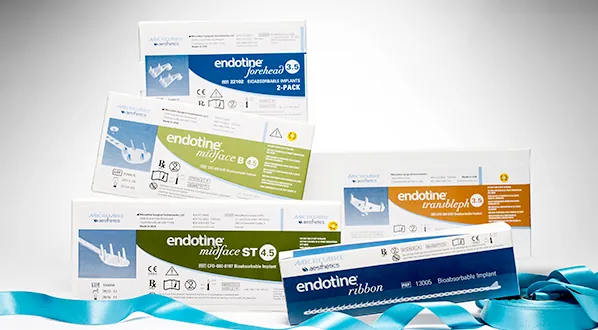
Endotine Fixation Implants
50+
Countries Served
What's the Difference?

Why a Korean Face Lift Repositions Instead of Tightening

"Skin pulled tight is not the same as a face that has been put back where it belongs."

Tightening the skin alone puts the whole load on one layer. It flattens the cheek, drags the corners of the mouth sideways, and relapses quickly because the tissue underneath is still sitting low. The visible signs return, and often the face reads as altered rather than younger.

Banobagi lifts at the level where the descent actually happened. In a mid-face lift the soft tissue is raised vertically so the face is not widened; in a lower face lift the SMAS layer itself is secured before any excess skin is removed. Fixation is distributed across multiple points rather than concentrated on a single suture, so the correction holds without visible tension.

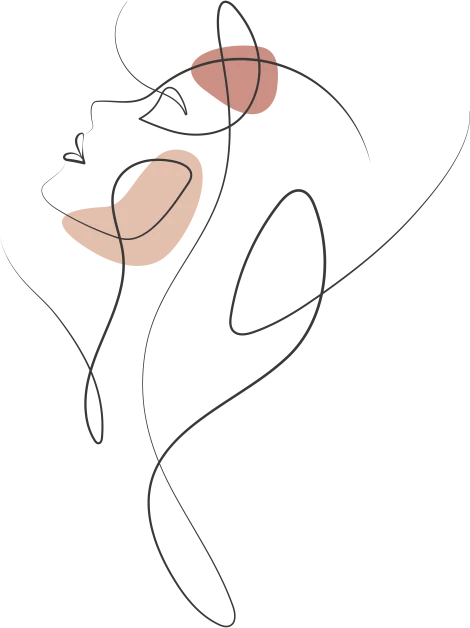
Line illustration of a face marked at the cheek and brow, the two areas where facial ageing appears first

Why the Face Ages Before a Lift

Facial aging is a structural change through four distinct layers. Knowing which layer has moved is what determines the right treatment.

Layer 01

Skin & Collagen

Collagen and elastin production slows, so the skin loses the recoil that once let it snap back into place. Fine lines set into permanent creases and the surface begins to look thin and crepey. This is the layer most visible in the mirror, but it is rarely the layer causing the sagging.

Layer 02

Facial Fat Compartments

The face holds fat in discrete compartments rather than as one even pad. With age the upper compartments shrink while the lower ones slide downward. The result is a hollow temple and flattened front cheek above, and new fullness gathering along the jawline below. Volume has not simply been lost; it has relocated.

Layer 03

Muscle & the SMAS

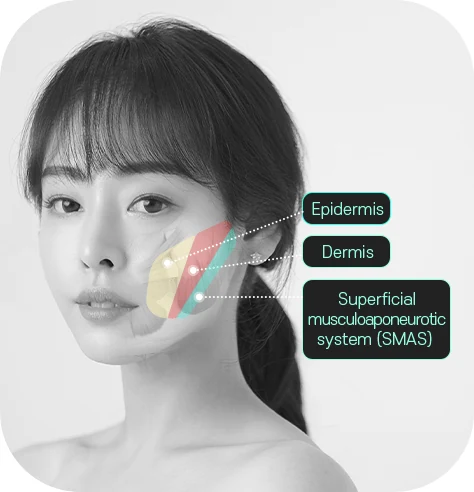
Beneath the fat lies the superficial musculoaponeurotic system, a continuous sheet of fibrous tissue linking the facial muscles to the skin. As the SMAS lengthens and loses tension, everything it supports descends with it. This is the structural root of jowls and marionette lines, and it is why surface treatments give only limited results once it is involved.

Layer 04

Bone & Ligaments

The facial skeleton slowly resorbs, most noticeably around the eye sockets and the jaw, while the retaining ligaments that anchor soft tissue to bone stretch. The scaffold the face is draped over becomes smaller, so even unchanged soft tissue has further to fall and less to sit on.

Why This Matters

The layer that has changed determines the treatment that can correct it. Laxity confined to the skin may respond well to non-incisional options, while descent originating in the SMAS needs that layer released and re-secured. Volume that has been lost calls for restoration rather than lifting, and lifting a face that is genuinely deflated can make it look drawn. Most patients present with a combination, which is why assessment comes before any recommendation.

Which Zone a Face Lift Treats

Banobagi's lifting procedures are organised by anatomical zone, because the upper, middle and lower thirds of the face age differently and respond to different techniques.

Upper Face Banobagi model showing the upper face, the zone treated by brow and forehead lifting

Brow, Forehead & Upper Eyelid

The forehead loses elasticity and descends, pressing down on the brow and eyelid. Heavy upper lids are often blamed on the eyes when the cause sits higher.

  • Horizontal forehead lines and frown lines that stay visible at rest
  • Brows sitting low, narrowing the space between brow and lash line
  • Hooded or heavy-looking upper eyelids
  • Crow's feet and lines across the nasal bridge
  • A tired or stern expression that does not match how you feel

Mid Face Banobagi model showing the mid face, the zone treated by mid-face lifting

Cheeks, Under-Eye & Nasolabial Folds

The mid face shows age earliest and most plainly. Because the change here is largely descent rather than laxity, it also responds most visibly to lifting.

  • Front cheeks losing their forward projection and looking flat
  • Deepening nasolabial folds from the nose to the mouth corners
  • Sagging and shadowing under the eyes
  • A gloomy or downcast look created by the two combined
  • Limited change from previous laser or thread lift treatments
Lower Face Banobagi model showing the lower face, the zone treated by lower face lifting

Jowls, Jawline & Neck

Descent from the layers above collects here. Because the SMAS is usually implicated, the lower face is the zone where structural surgery makes the clearest difference.

  • Marionette lines running down from the mouth corners
  • Jowls forming and blurring a once-defined jawline
  • Soft-tissue heaviness along the jawline from descent, as distinct from a wide jawbone
  • Slackness under the chin and along the upper neck
  • Skin laxity following facial contouring surgery

Korean Face Lift Options at Banobagi

Surgical lifting works at the structural layers; non-surgical options work at the surface and on volume. Most treatment plans draw on both.

Surgical Lifting

Repositions and fixes the deeper tissue layers

Non-Surgical Options Used With a Face Lift

Works at the surface, or replaces what has been lost
What “Full Face Lift” Means

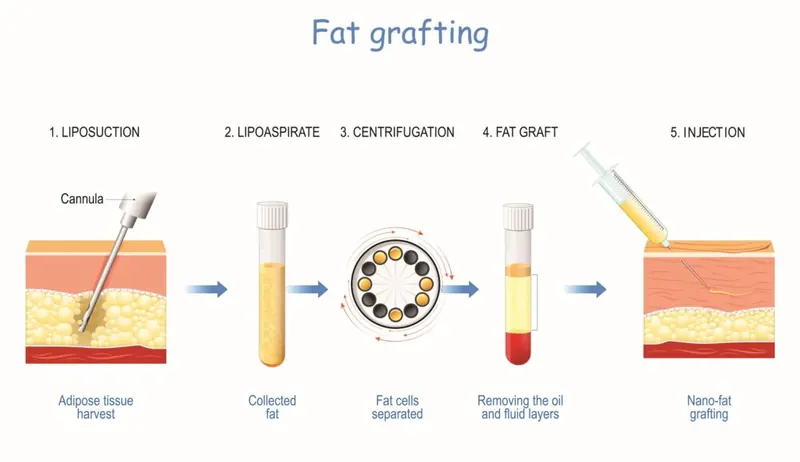
A full face lift combines an upper face or endoscopic brow lift, a mid-face lift and a lower face lift. Other procedures are also commonly combined: a mid-face lift and lower eyelid surgery share the same incision site, while brow and forehead lifting is often paired with upper blepharoplasty when both the forehead and the eyelid contribute to heaviness. Where sagging is accompanied by genuine volume loss, fat grafting or collagen filler can be planned with the lift, in the same session or staged; retained fat is judged at three to six months. After facial bone contouring, lifting is usually staged once the bone has settled.

Not sure which lifting approach fits your face?

Send us photos and our surgeons will tell you which zone and which layer to treat.

Compare Face Lift Procedures

A quick comparison of what each approach addresses and how deep it works. Your surgeon will give you a personalised recommendation at consultation.

Treatment Best For Works At Recovery & Follow-Up
Brow & Forehead Lift Forehead and frown lines, low brows, heavy upper eyelids Endoscopic release of forehead tissue, fixed with Endotine on the skull or deep fascia Same-day discharge; stitches out at about 10 days; daily activities in about 7 days
Upper Blepharoplasty Excess upper eyelid skin where the brow position itself is acceptable Eyelid skin and muscle, without lifting the forehead Same-day discharge; frequently combined with a brow lift in one session
Mid-Face Lift Flattened cheeks, under-eye sagging, deepening nasolabial folds Sub-skin dissection with vertical repositioning, fixed with Endotine B Same-day discharge; stitches out at about 7 days; daily activities in about 5 days
Lower Face Lift Marionette lines, jowls, blurred jawline, double chin from sagging The SMAS layer is pulled and secured, then excess skin is removed Same-day discharge; stitches out at about 7–10 days; daily activities in about 7 days
Elastic Band Lift Lower face sagging where a lower face lift feels like more than is needed The fascia layer, reinforced with an elastic band that moves naturally Smaller incision range than a lower face lift, so recovery is faster
V-Line Thread Lift Early laxity, face-shape refinement, delaying further sagging Threads placed under the skin, no incision required Minimal downtime; effect is temporary and repeated periodically
Semi-Permanent Collagen Filler Volume loss and static lines, when a longer effect than HA filler is wanted Stimulates the body's own collagen to form and be maintained Non-surgical, in-clinic; no incision or hospitalisation

When a Thread Lift Is Not a Face Lift

Thread lifting is the option most patients ask about first, because it avoids surgery altogether. It is genuinely useful, but only within limits that are worth understanding before you book one.

Where a Thread Lift Works Well

  • Mild to moderate sagging, where the tissue has descended but the skin still has elasticity
  • Softening early jowls and giving the jawline a cleaner line
  • Patients in their 30s and 40s who want to slow visible descent rather than reverse it
  • Anyone who cannot take the recovery time a surgical lift requires
  • Refining the result of a previous lift, or bridging the years before surgery makes sense

Where a Thread Lift Falls Short

  • It works above the SMAS, so it cannot release and re-secure that layer
  • It repositions skin and fat but removes nothing, so genuine excess skin remains
  • The effect is temporary, and how long it holds depends on the threads, the degree of sagging and your own tissue
  • Advanced sagging pulled with threads alone can look tightened rather than lifted
  • Volume that has been lost is not replaced by lifting it upward
Threads or Surgery

The honest dividing line is the degree of descent, not your age. Where sagging is early and the skin still recoils, threads can do most of what surgery would and cost you far less recovery. Where the SMAS has genuinely lengthened and skin is in excess, threads will disappoint, and repeating them becomes the more expensive route to a result surgery would have delivered once. A consultation that recommends threads to everyone, or surgery to everyone, is not assessing either.

How the Right Face Lift Is Chosen

There is no single best lifting procedure. These are the four things a surgeon weighs before recommending one, and why the answer differs from person to person.

How deep each anti-aging treatment reaches A chart of four tissue depths across the top: skin and dermis, fat planes, the SMAS or fascia layer, and bone. Semi-permanent collagen filler reaches the skin only. V-Line thread lifting reaches the skin and the fat just beneath it. A lower face lift or elastic band lift reaches the SMAS and fascia. A brow or mid-face lift reaches deepest, because it is fixed with Endotine on the skull or deep tissue. SKIN & DERMIS FAT PLANES SMAS / FASCIA BONE Semi-Permanent Collagen Filler V-Line Thread Lift Lower Face Lift /Elastic Band Lift Brow & Forehead / Mid-Face Lift SUPERFICIAL DEEP
Depth is what separates the options. Lifting has to reach the layer that actually descended, which is why an endoscopic brow or mid-face lift is fixed at the deepest plane, while filler and threads stay nearer the surface. A full face lift combines upper, mid-face and lower face procedures rather than occupying a single row in this chart.
01

Which Zone Has Changed

  • Heavy brows and forehead lines point upward, to the forehead rather than the eyelid
  • Flat cheeks and deepening nasolabial folds point to the mid face
  • Jowls and a softening jawline point to the lower face and the SMAS beneath it
  • Most patients show change in more than one zone, and the plan is sequenced accordingly
02

How Much Descent Is Present

  • Early laxity may be well served by non-incisional lifting
  • Moderate descent often calls for a zone-specific lift such as a mid-face lift
  • Advanced sagging across the lower face generally needs the SMAS addressed directly
  • Choosing a treatment lighter than the degree of ageing is the most common cause of disappointment
03

Sagging Versus Volume Loss

  • Tissue that has descended needs repositioning
  • Tissue that has genuinely deflated needs replacing, not lifting
  • Lifting a face that has lost volume can leave it looking drawn
  • Where both are present, a lift can be planned with fat grafting or collagen filler, in one session or staged
04

Your Anatomy and Your Schedule

  • Skin thickness, ligament position and previous surgery all change what is possible
  • Skin laxity after facial bone contouring is assessed separately from age-related sagging, and lifting is usually staged once the bone has settled
  • Results from earlier laser or thread treatments inform what will and will not work now
  • Stitch removal at day 7 to 10 sets the minimum length of stay in Seoul
One Honest Caveat

None of this can be settled from photographs alone. Skin quality, tissue mobility and ligament position have to be assessed in person, and a remote review can only narrow the options rather than confirm them. Treat any recommendation made before an in-person examination, including one made by us over WhatsApp, as a starting point for the consultation rather than a final plan.

Who Is a Candidate for a Face Lift

These are the concerns patients most often describe when they come to Banobagi for each procedure.

Brow & Forehead Lift

  • You have deep forehead wrinkles and frown lines
  • You have pronounced lines around the eyes and nasal bridge
  • Your eyelids droop because the forehead skin above them has descended
  • The distance between your eyes and brows has narrowed, making a fold hard to form
  • You are in your 20s or 30s without sagging, but have marked ptosis and puffy-looking lids

Mid-Face Lift

  • You want to improve an aging mid face specifically
  • A full face lift feels like more than you need
  • Sagging under the eyes and nasolabial folds make you look gloomy
  • You were not satisfied with previous laser or thread lift results
  • You want a lifting option with a minimal incision and quick recovery

Lower Face Lift

  • Your skin is sagging as its elasticity has reduced
  • You have deep wrinkles and lines across the face
  • Sagging skin and a double chin make the lower face look heavier
  • You want a structural correction rather than a temporary treatment
  • Your skin has sagged following facial contouring surgery

Elastic Band Lift

  • Your lower face has descended but a lower face lift feels excessive
  • You want the fascia layer supported rather than only the skin
  • A smaller incision range and faster recovery matter to you
  • You would like a result that moves naturally with your expressions

Non-Surgical Options

  • Your sagging is early and you would rather not have an incision
  • You want to refine your face shape and slow further descent
  • You cannot take time off for surgical recovery right now
  • Your main concern is lost volume rather than descended tissue

General Requirements

  • You are in good general health with no uncontrolled medical conditions
  • You can stop blood thinners and bleeding-risk supplements before surgery
  • You can stay in Seoul long enough for stitch removal and follow-up
  • You have realistic expectations and have discussed the risks with your surgeon

Korean Face Lift vs Deep Plane

These two phrases are often used as if they were the same operation. They are not. Deep plane is one named technique. A Korean face lift at Banobagi is a family of zone-specific lifts, fixed where the tissue actually descended.

What a Deep Plane Facelift Does

  • Releases the retaining ligaments that tether the SMAS to bone
  • Lifts the skin and the SMAS together as one composite flap, rather than tightening them as separate layers
  • Typically treats the mid face and lower face as a single unit
  • Can produce a strong, lasting result when that degree of release is genuinely needed
  • It is one technique, not a synonym for facial surgery in Korea

What Banobagi Does Instead

  • The lift is chosen by zone: brow and forehead, mid face, or lower face, not always a single full-face flap
  • Forehead and mid-face tissue is released endoscopically and fixed with Endotine on the skull or deep fascia
  • When the lower face has descended, the SMAS is pulled and secured before excess skin is removed
  • Mid-face tissue is lifted vertically so the face is not widened
  • Fixation is spread across multiple points rather than concentrated on a single pull
Not a Contest of Names

A deep plane facelift can be the right answer for advanced mid- and lower-face descent. It is not automatically the right answer for a heavy brow, isolated cheek flattening, or early laxity. Banobagi will not recommend a full-face deep plane when a zone-specific lift, or no surgery at all, is what the anatomy calls for.

The Lifting Lounge

Banobagi runs a dedicated space for lifting patients, separate from the main surgical floors, along with the aftercare that follows the procedure itself.

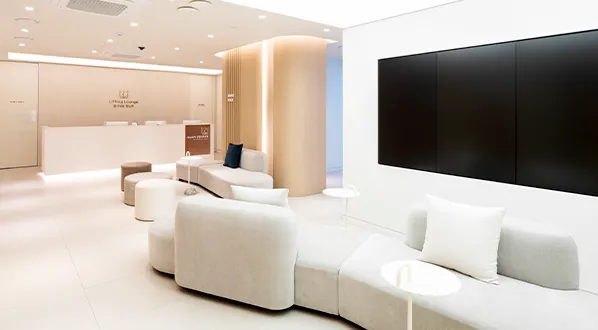
The Banobagi Lifting Lounge reception and waiting area
01. A Dedicated Lounge

A Warm, Separate Space

Lifting patients are received in their own lounge rather than the general waiting area. The warm-toned interior is designed to feel calm, and the space is arranged so you are not on view to other visitors.

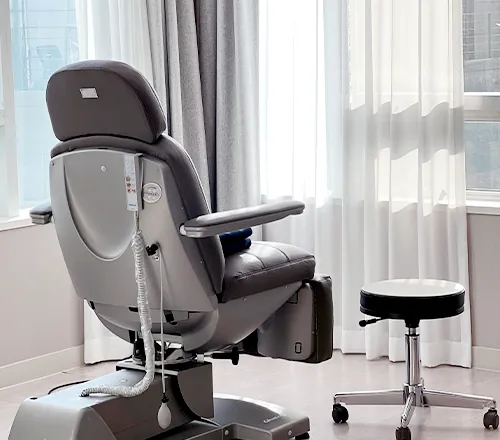
Private treatment room with a procedure chair inside the Banobagi Lifting Lounge
02. Private Treatment Rooms

Independent, Private Rooms

Each treatment takes place in a self-contained room free from outside view. For patients travelling from abroad, and for anyone who would rather keep the visit discreet, privacy is built into the layout rather than added on request.

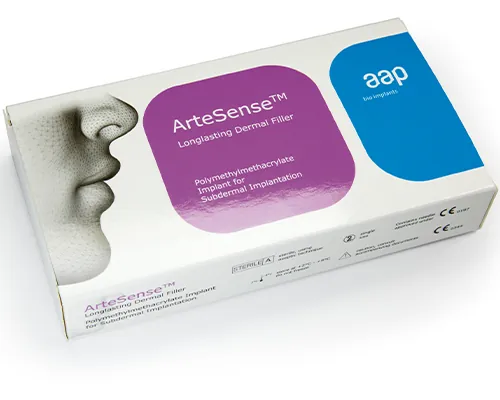
ArteSense semi-permanent collagen dermal filler, one of the genuine products used at Banobagi
03. Genuine Products

Premium Devices & Medicines

High-quality medical devices and pharmaceuticals, used as genuine products in the correct quantities. Banobagi treats this as the baseline of medical practice rather than a selling point.

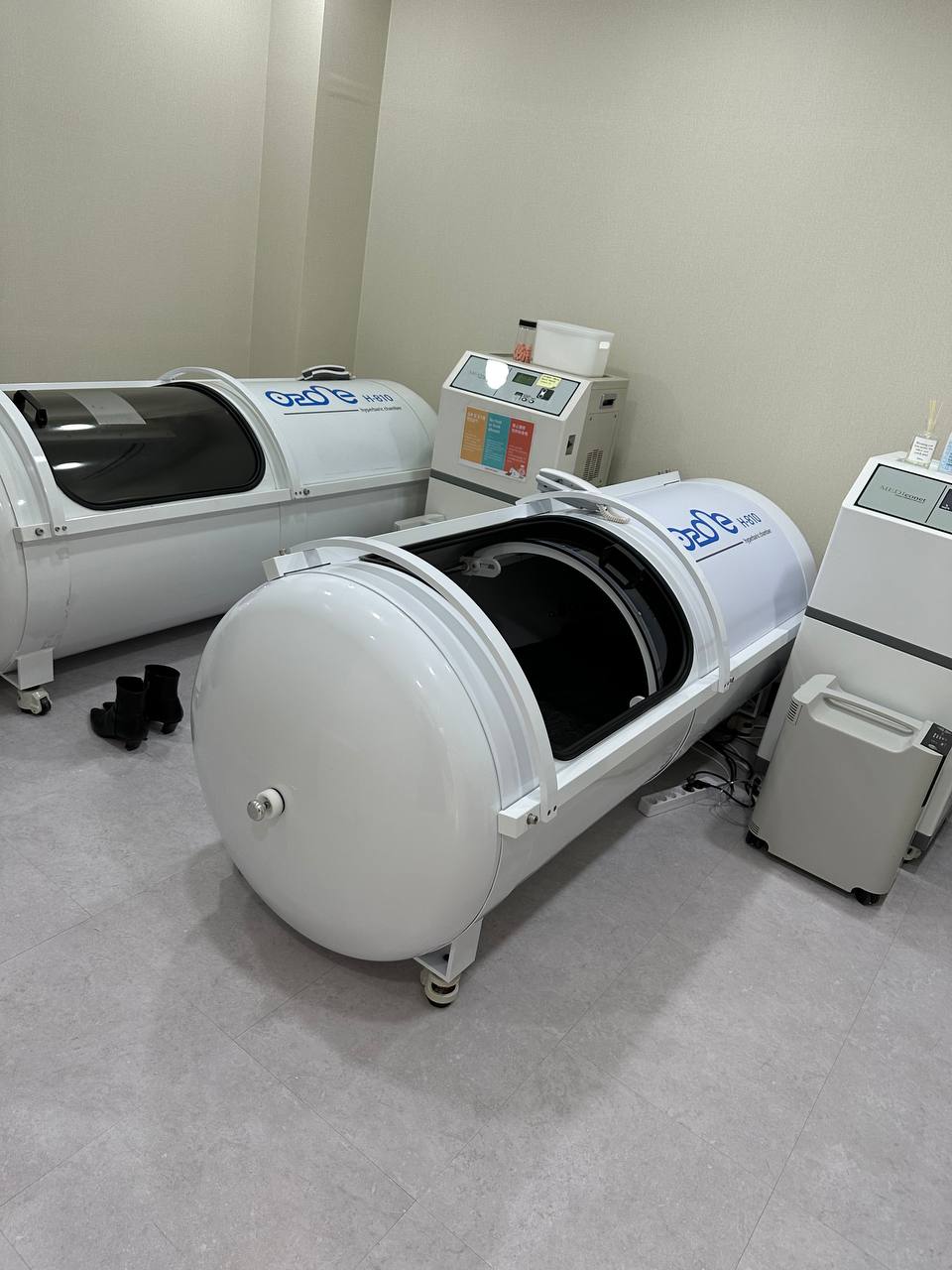
Hyperbaric oxygen chambers in the Banobagi recovery equipment room for post-operative aftercare
04. Recovery Facilities

Equipped for Recovery

Dedicated recovery equipment supports the early healing period on site, so the days immediately after surgery are managed at the clinic rather than left entirely to you.

Banobagi home-care cosmetic range for continuing skin care after surgery
05. Home Care

Care That Travels Home

A cosmetic range built around specific skin concerns, so the routine started at the clinic continues once you fly home, which is when most of the visible settling actually happens.

Care That Continues

Aftercare does not stop when you leave the clinic. Banobagi team can advise on keeping the skin healthy as it recovers, and your coordinator stays reachable after you travel, so questions about swelling, scars or your routine in the weeks that follow still get a clinical answer.

How to Prepare for a Face Lift in Korea

Good preparation makes for a smoother procedure and a faster recovery. Here is what to do at each stage before your surgery date.

01

2–4 Weeks Before Arrival

  • Stop aspirin, ibuprofen, fish oil, vitamin E and herbal supplements, as these increase bleeding risk
  • Stop weight-loss medications such as Wegovy or Mounjaro at least 2 weeks before surgery
  • Stop blood thinners at least 1 week before surgery, after consulting your prescribing doctor
  • Tell the clinic about every regular medication, as some need review by the anesthesiologist
  • Avoid alcohol for at least 2 weeks before surgery
  • If you smoke, stop as early as you can, because smoking meaningfully impairs healing after lifting surgery
  • Arrange travel and accommodation near the clinic in Gangnam, Seoul
  • Send pre-consultation photos (front, both sides, and 45-degree angles) to your coordinator
02

1 Week Before Surgery

  • Complete all pre-operative blood tests and health screening as directed
  • Remove acrylic nails or nail polish, as oxygen saturation is monitored via the fingernails
  • Prepare button-down or zip-up clothing so nothing has to be pulled over your head afterwards
  • Confirm your surgery date and pre-operative consultation time with your coordinator
03

The Day Before Surgery

  • Fast for 6 to 8 hours before surgery unless your surgeon instructs otherwise
  • Wash your face and hair thoroughly, and apply no creams, makeup or skincare products
  • Get a full night of rest to support your body's healing response
  • Prepare a travel or neck pillow so you can sleep with your head elevated afterwards
  • Charge your phone and download offline entertainment for the rest period after surgery
04

What to Bring to the Clinic

  • Passport or government-issued photo ID
  • A list of every medication you currently take, prescription or over-the-counter
  • Records of any previous facial surgery, laser or thread lifting you have had
  • A scarf, hat or face mask for covering dressings when you go outside during recovery
  • A companion, or your coordinator's contact details for the journey back
Your Coordinator Will Guide You

Every Banobagi patient is assigned a dedicated multilingual coordinator who provides a personalised preparation checklist ahead of your surgery date. If you have questions at any stage, whether before you arrive or during your stay, your coordinator is there to help.

Face Lift Recovery in Korea

What to expect after surgery. Exact timings depend on which procedure you have, and your surgeon will confirm your own schedule.

Day 1–3

Immediate Recovery

You are discharged on the day of surgery. Swelling and bruising peak within the first 48 to 72 hours. Sleep with your head elevated, use cold compresses as directed, and keep dressings and incision sites dry.

Day 7–10

Stitch Removal

Follow-up for stitch removal is about 10 days after a brow and forehead lift, about 7 days after a mid-face lift, and about 7–10 days after a lower face lift. Timing may vary depending on the patient. Daily activities usually resume around day 5 after a mid-face lift and around day 7 after a brow or lower face lift.

Month 1–3

Swelling Settles

Bruising fades and the lifted contour starts to look like itself rather than like swelling. Tightness and numbness near the incisions are normal and ease gradually. Avoid strenuous exercise, saunas and facial massage until your surgeon clears you.

Month 4–10

Settled Result

Residual swelling resolves and the tissue finishes settling into its new position. Scars continue to mature and fade over the following months. This is the point at which the result can fairly be judged.

Travel Tip

Plan to stay in Seoul for at least 7–10 days. That covers your in-person consultation, the surgery, the early recovery days, your follow-up visit for stitch removal, and a final check before you fly. Brow and forehead lifts and lower face lifts sit at the longer end of that window because stitches are removed at around day 7–10. Many international patients use the quieter days in between for light sightseeing once their surgeon has cleared them.

Why Patients Choose Banobagi for a Face Lift

Board-Certified Specialists

Lifting is performed by board-certified plastic surgery specialists with extensive clinical experience and accumulated expertise in facial anatomy.

Real-Name Surgeon System

The named surgeon you consulted performs your operation from start to finish. Surgical transparency is a stated policy, not an assumption.

Full-Time Anesthesiologist Team

A team of stationed anesthesiologists monitors every procedure. Lifting surgery is performed under sedation, so this matters.

Built for International Patients

1:1 coordinators, plus help with accommodation and transport, from a team whose expertise with overseas patients has been built over years.

Full HD Endoscopic Dissection

Tissue is released under endoscopic view so nerves and blood vessels stay visible throughout, keeping dissection precise and limited to what is needed.

A Dedicated Lifting Lounge

A separate, private space for lifting patients, with aesthetic aftercare available through recovery.

Face Lift Surgeons

Board-certified plastic surgeons whose training and published work sit in facial and reconstructive surgery.

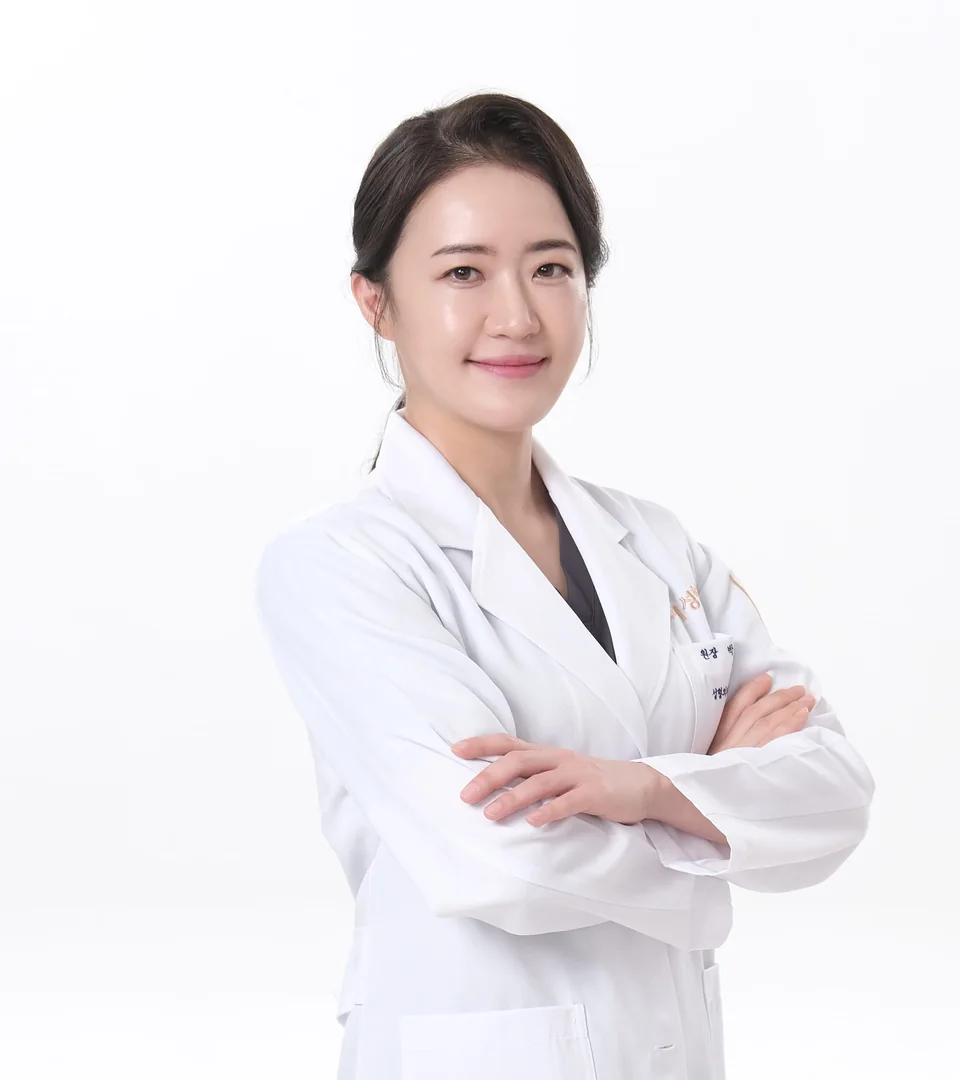
Dr. Jaesang Barn, Representative Director and board-certified plastic surgeon at Banobagi Board Certified

Dr. Jaesang Barn

Representative Director
Board-Certified Plastic Surgeon

Dr. Jaesang Barn

Representative Director

  • Specialized plastic surgeon of Banobagi Plastic Surgery Clinic
  • Seoul National University College of Medicine
  • Residency, Dept of Plastic and Reconstructive Surgery, Seoul National University Hospital
  • Invited Professor, Dept of Plastic and Reconstructive Surgery, Seoul National University Hospital
  • Executive Director, Korean Association of SVF and Tissue Regeneration
  • Active member, Korean Society of Plastic and Reconstructive Surgeons
View full profile
Dr. Kwon Heeyeon, board-certified plastic surgeon at Banobagi Board Certified

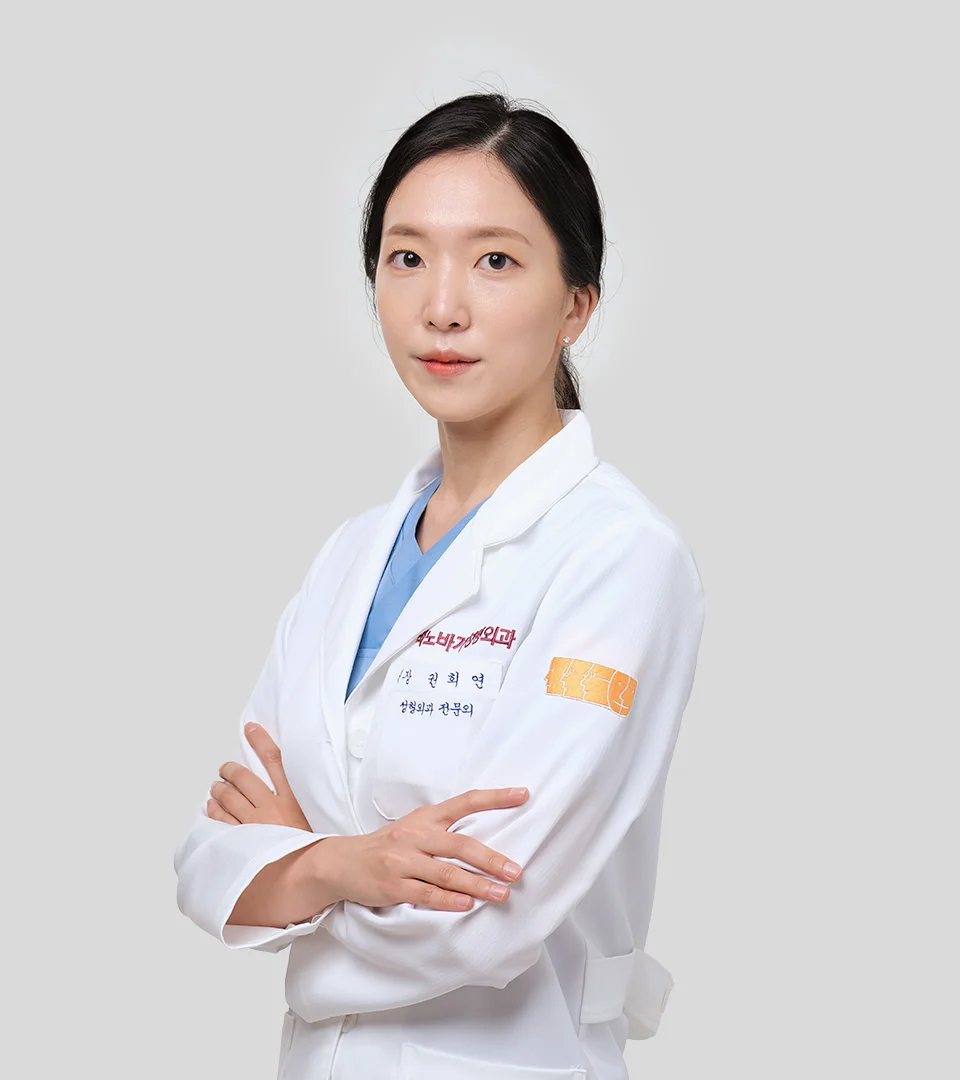
Dr. Kwon Heeyeon

Facelift Specialist
Board-Certified Plastic Surgeon

Dr. Kwon Heeyeon

Facelift Specialist

  • Specialized plastic surgeon of Banobagi Plastic Surgery Clinic
  • Graduated Seoul National University College of Medicine with top honors
  • Residency, Dept. of Plastic and Reconstructive Surgery, Seoul National University Hospital
  • Master's degree, Dept. of Plastic and Reconstructive Surgery, Seoul National University College of Medicine
  • Full-time plastic surgeon at Seoul National University Bundang Hospital
  • Seoul St. Mary's Hospital Plastic Surgery Clinical Instructor
View full profile
Dr. Jinhyun Kim, board-certified plastic surgeon at Banobagi Board Certified

Dr. Jinhyun Kim

Facelift Specialist
Board-Certified Plastic Surgeon

Dr. Jinhyun Kim

Facelift Specialist

  • Specialized plastic surgeon of Banobagi Plastic Surgery Clinic
  • Residency, Seoul National University Hospital
  • Master's degree, Dept. of Plastic and Reconstructive Surgery, Seoul National University College of Medicine
  • Specialized plastic surgeon of Seoul National University Hospital
  • Active member, Korean Society of Plastic and Reconstructive Surgeon
  • Active member, Korean Cleft Palate-Craniofacial Association
View full profile
Dr. Eon Ju Park, board-certified plastic surgeon at Banobagi Board Certified

Dr. Eon Ju Park

Facelift Specialist
Board-Certified Plastic Surgeon

Dr. Eon Ju Park

Facelift Specialist

  • Specialized plastic surgeon of Banobagi Plastic Surgery Clinic
  • Kosin University College of Medicine
  • Master's Degree in Medicine, Kosin University Graduate School
  • Residency, Dept. of Plastic Surgery, Kosin University Gospel Hospital
  • Clinical Instructor, Dept. of Plastic Surgery, Seoul National University Bundang Hospital
  • Specialist, Dept. of Plastic Surgery, Seoul National University Bundang Hospital
View full profile
Meet all our surgeons

Face Lift Before & After

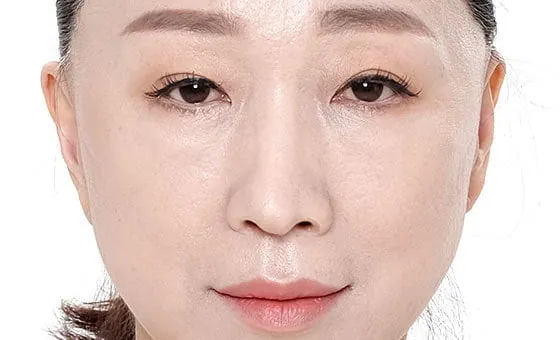
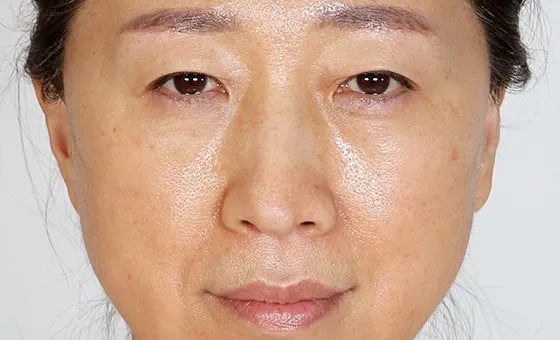
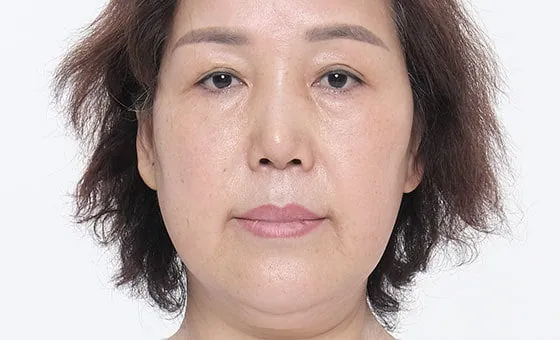
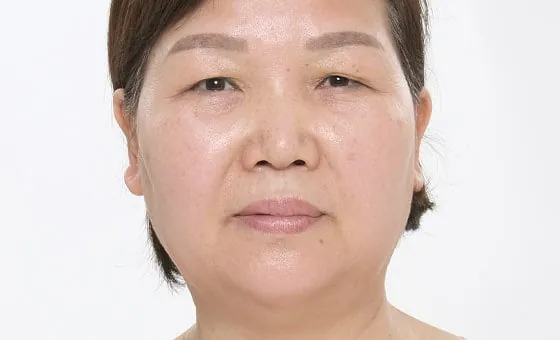
Real patient results from Banobagi's lifting team. Drag the slider to compare.

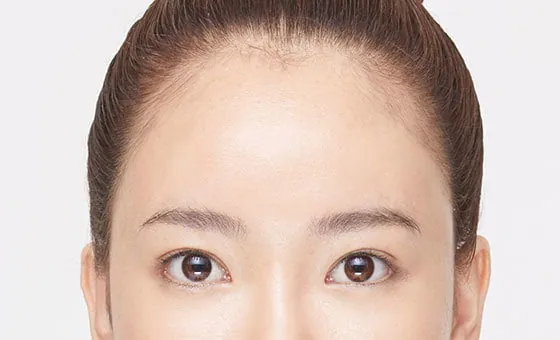
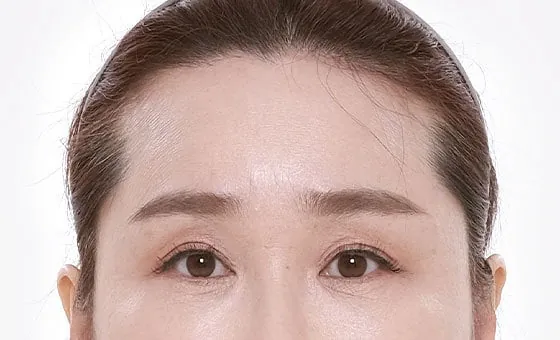
Brow and forehead lift after Brow and forehead lift before
Brow and forehead lift before
Brow and forehead lift after
Before After
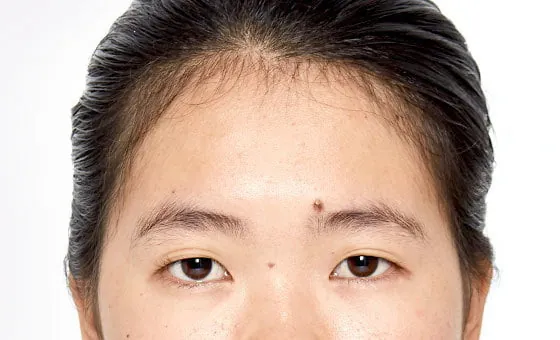
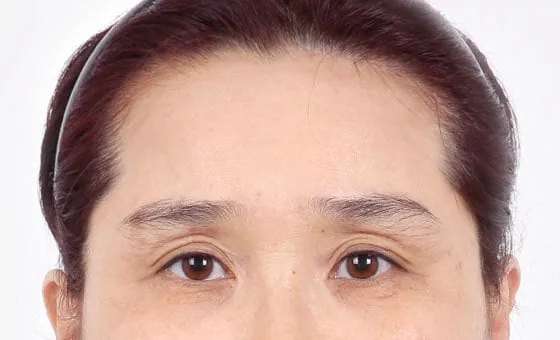
Brow and forehead lift after Brow and forehead lift before
Brow and forehead lift before
Brow and forehead lift after
Before After
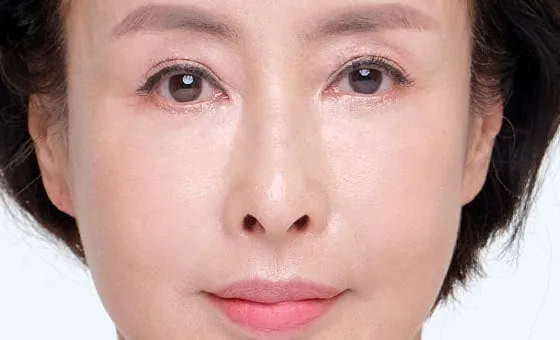
Mid-face lift after Mid-face lift before
Mid-face lift before
Mid-face lift after
Before After
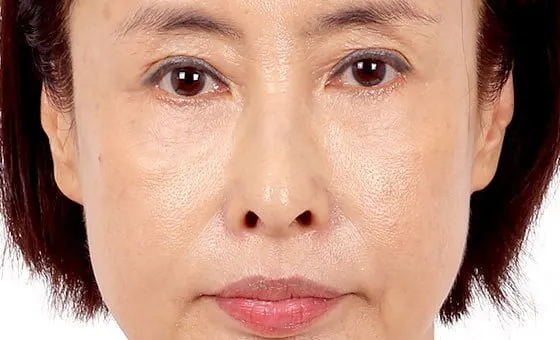
Mid-face lift after Mid-face lift before
Mid-face lift before
Mid-face lift after
Before After
Lower face lift after Lower face lift before
Lower face lift before
Lower face lift after
Before After
Lower face lift after Lower face lift before
Lower face lift before
Lower face lift after
Before After
View more results

Korean Face Lift FAQs

"Korean face lift" is not one operation but a family of them, and which one applies depends on where the face has actually descended. It covers endoscopic brow and forehead lifting for the upper face, mid-face lifting for the cheek and nasolabial area, lower face lifting at the SMAS layer for jowls and the jawline, the elastic band lift, and non-incisional thread lifting. What tends to characterise the approach in Korea is the emphasis on repositioning deeper tissue along the direction it descended and fixing it there, often with absorbable implants such as Endotine, rather than tightening skin at the surface.
Facial aging happens in several layers at once rather than in the skin alone. The skin loses collagen and elasticity, the deep and superficial fat compartments shrink and slide downward, the SMAS and facial muscles lengthen and lose tension, and the underlying bone gradually resorbs. Because more than one layer is involved, treatments that address only the skin surface often produce limited or short-lived change.
A thread lift is a non-incisional procedure that uses absorbable threads placed under the skin to reposition tissue, with little downtime and a gradual, temporary effect. Surgical lifting works at a deeper level: the tissue layers are released, repositioned and fixed, and in a lower face lift the SMAS layer itself is tightened and excess skin is removed. Surgery involves incisions and a longer recovery, but corrects a greater degree of sagging and lasts considerably longer.
No. A deep plane facelift is one named technique: the retaining ligaments are released and the skin and SMAS are lifted together as a composite flap, usually treating the mid and lower face as a single unit. A Korean face lift at Banobagi is a family of zone-specific lifts. The brow and mid face are released endoscopically and fixed with Endotine; when the lower face has descended, the SMAS is pulled and secured before excess skin is removed. Deep plane can be the right answer for advanced mid- and lower-face descent, but it is not automatically the right answer for a heavy brow, isolated cheek flattening, or early laxity.
No, and the two are often confused because both change how the jawline looks. V-line surgery is facial bone contouring, usually jaw reduction, chin genioplasty, or both. Jaw reduction reshapes the mandible angle, body and lower border; chin genioplasty moves the chin bone. That is a change to the underlying skeleton in a face that has not necessarily aged at all. A face lift repositions soft tissue that has descended over time: the skin, the fat and the SMAS layer. If your concern is the width or shape of your jaw, those bone procedures are the relevant option. If it is sagging along the jawline, lifting is. The V-Line Thread Lift is a third thing again: a non-incisional treatment that refines the lower-face contour without touching bone.
Selection depends on which zone of the face has changed, how much laxity is present, whether the main issue is sagging or lost volume, and how much recovery time you can accommodate. Heavy brows and forehead lines point to an upper face lift; flattened cheeks and deepening nasolabial folds point to a mid-face lift; jowls and a blurred jawline point to a lower face lift. A surgeon assesses these in person before recommending an approach.
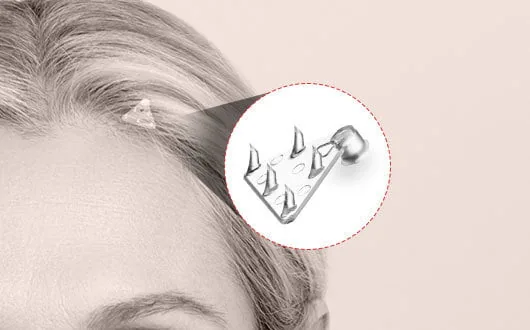
Endotine is a bioabsorbable fixation implant approved by the US Food and Drug Administration. It acts as a multi-point anchor that holds lifted tissue in place, distributing the pulling force evenly instead of concentrating it on a single suture point. Over time it is gradually absorbed by the body once the lifted tissue has settled. Banobagi uses genuine Endotine implants in brow, forehead and mid-face lifting.
Stitches are removed after about seven days for a mid-face lift, after about ten days for a brow and forehead lift, and after about seven to ten days for a lower face lift. Timing may vary by patient. Most patients are discharged on the day of surgery. Daily activities can usually resume in about five days after a mid-face lift and about seven days after a brow lift or lower face lift. Swelling continues to settle over several weeks, with the final result appearing gradually over a few months.
An unnatural result usually comes from pulling the skin alone in a single direction. Banobagi's approach repositions the deeper tissue layers along their original anatomical direction and accounts for the facial expression muscles, so the skin is not placed under excessive tension. In a mid-face lift, for example, tissue is lifted vertically rather than sideways, which avoids widening the face.
Incisions are placed where they are hardest to see. A brow and forehead lift uses three to five small incisions behind the hairline. A mid-face lift uses a fine incision as close as possible to the lower eyelashes, the same site used in lower eyelid surgery. A lower face lift places incisions closest to the ears and, where necessary, behind the hairline. Only the incisions genuinely needed are made, and they are closed carefully to minimise scarring.
Surgical lifting produces long-lasting change because the deeper structural layers are repositioned and fixed rather than simply tightened at the surface. It does not stop the ageing process, however, and the face continues to change with time. Non-surgical options such as thread lifting or filler are temporary by design and are repeated periodically. Your surgeon will explain the expected duration for the specific approach recommended to you.
Yes, and it is common. A brow and forehead lift is frequently combined with upper blepharoplasty when heavy upper lids are also present, and a mid-face lift shares its incision site with lower eyelid surgery so the two are naturally performed together. When hollowing accompanies sagging, fat grafting or collagen filler can be planned with the lift, in the same session or staged. Retained fat volume is judged at three to six months, and a second grafting session is sometimes needed. After facial bone contouring, lifting is usually staged once the bone has settled. Combining an eyelid procedure with a lift means one recovery period; fat grafting follows its own timeline.
There is no fixed age. What matters is the degree and pattern of change rather than the number. Younger patients with early laxity are often better served by non-incisional options, while more pronounced sagging across several zones usually calls for surgical lifting. Some patients in their twenties and thirties seek a brow lift for reasons unrelated to ageing, such as ptosis or heavy-looking eyelids.
Plan for at least ten days. This covers your in-person consultation, the surgery itself, initial recovery, the follow-up visit for stitch removal at around day seven to ten, and a final check before you fly home. Brow and forehead lifts and lower face lifts, for which stitches are removed at around day seven to ten, sit at the longer end of that range.
Banobagi operates a real-name surgeon system, so the named board-certified surgeon performs the procedure, and a team of full-time anesthesiologists is present. International patients are supported by 1:1 coordinators covering multiple languages, along with guidance on accommodation and transport. As with any surgery, bleeding, infection and inflammation are possible, and individual satisfaction varies, so discuss your own risks with your surgeon.

Begin Your Face Lift Journey

Send us a message with your photos and goals. Our surgeons will review your case and recommend the best procedure, all before you arrive in Seoul.

01
Send Your Photos

Message us on WhatsApp or Instagram with front-facing photos and your goals.

02
Surgeon Review

Our specialist reviews your case and recommends the ideal procedure and approach.

03
Book & Travel

Your coordinator arranges everything: surgery date, accommodation guidance, and aftercare plan.

Free Consultation

Reach out through your preferred channel. We typically respond within 2 hours.

Chat on WhatsApp Message on Instagram
or follow us

CONTACT US

517 Nonhyeon-Ro, Gangnam-Gu, Seoul Korea

X

emailicon E-MAIL

english@banobagi.com

Please feel free to contact us,
and we will reply you as soon as possible.
go-top