


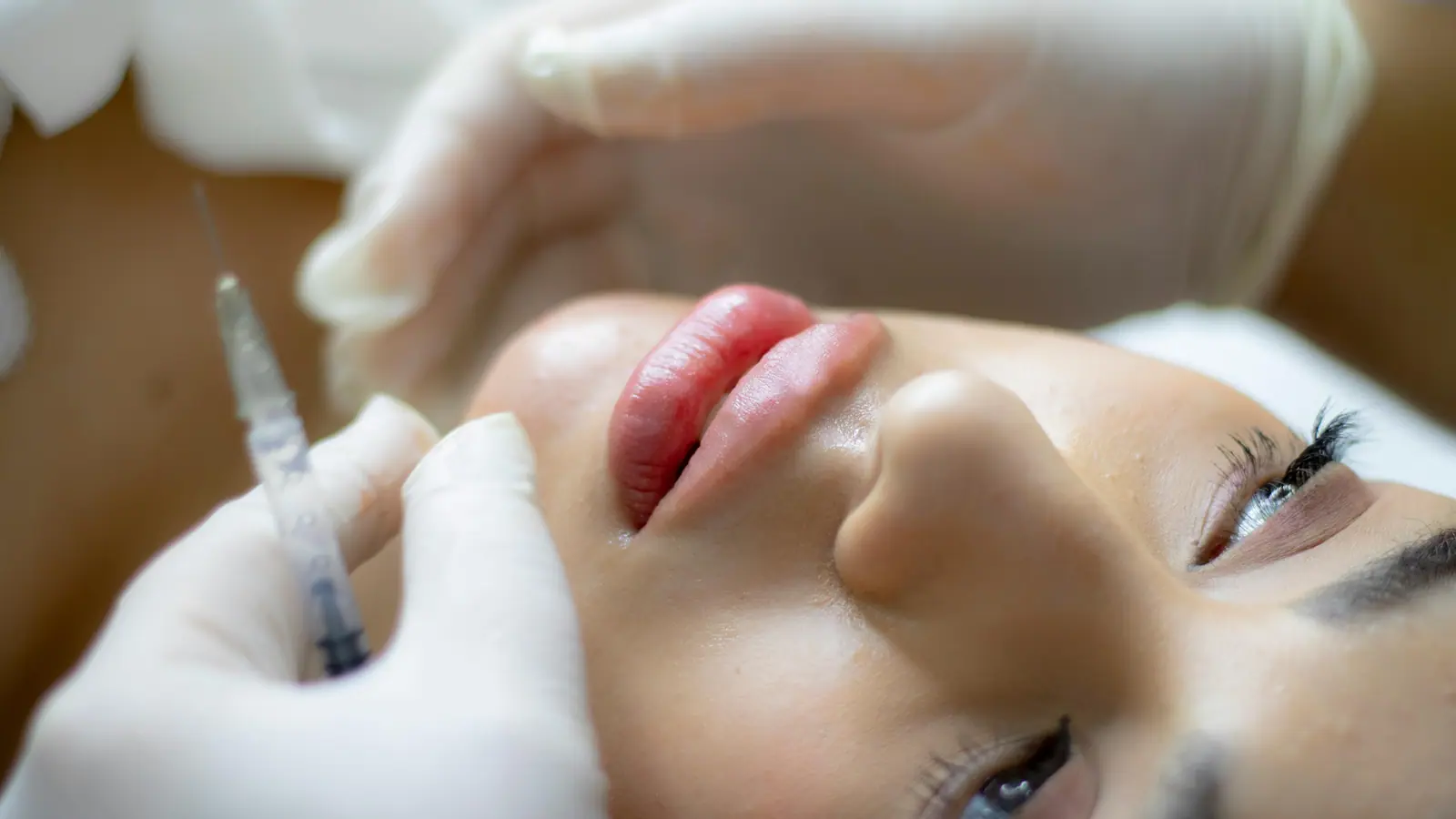
Undergoing a transformative procedure is an exciting journey toward self-confidence. However, the period immediately following your procedure is just as critical as the surgery itself. One of the most common concerns for patients is post-operative edema, or swelling. While swelling is a completely natural part of the body’s healing process, managing it effectively is key to a comfortable recovery and seeing your final results sooner.
As a leader in Korean plastic surgery, Banobagi Plastic Surgery Clinic prioritizes not only surgical excellence but also a comprehensive post-operative care system. In this guide, we explore the science of swelling after surgery and provide actionable tips to help you navigate your recovery journey.
Understanding Swelling After Surgery
When the body undergoes surgery, the tissues experience a level of controlled trauma. In response, the immune system sends fluid and white blood cells to the area to begin the repair process. This accumulation of fluid results in what we recognize as swelling.
Typically, swelling follows a predictable timeline:
- The Peak (48–72 hours): Swelling usually increases for the first two to three days post-surgery.
- The Plateau: After the third day, the swelling stabilizes.
- The Subsidence: From the end of the first week, major swelling begins to dissipate, though minor residual swelling can last for several months depending on the complexity of the procedure.
Top Tips for Managing Swelling
1. The Power of Temperature Therapy
In the initial stages of recovery, temperature control is your best tool.
- Cold Compresses (First 48–72 Hours): Applying cold packs helps constrict blood vessels, which limits fluid buildup and numbs the area to reduce discomfort. Ensure you wrap the cold pack in a soft cloth to avoid direct skin contact.
- Warm Compresses (After Day 3): Once the initial inflammatory phase has passed, switching to warm compresses can help improve blood circulation. This aids the body in reabsorbing the accumulated fluid and accelerates the healing of any bruising.
2. Elevation is Key
Gravity is a simple yet effective ally in reducing swelling after surgery. Keeping the surgical site elevated above the level of your heart prevents fluid from pooling in the area.
- For facial surgeries (such as rhinoplasty, blepharoplasty or a face lift), sleep with your head propped up on two or three pillows.
- Maintain this elevated position even during the day while resting or watching television.
3. Mindful Nutrition and Hydration
What you put into your body significantly impacts how quickly you heal.
- Reduce Sodium Intake: Salt causes the body to retain water, which can exacerbate swelling. Stick to fresh, whole foods and avoid processed snacks or canned soups during the first few weeks.
- Stay Hydrated: It may seem counterintuitive, but drinking plenty of water helps flush toxins and excess salt from your system, actually reducing fluid retention.
- Focus on Protein and Vitamins: High-quality protein assists in tissue repair, while Vitamin C and Zinc support the immune system.

4. Gentle Movement
While strenuous exercise should be avoided until cleared by your surgeon, complete bed rest is rarely recommended. Gentle walking around your home encourages blood flow and prevents the formation of blood clots. Improved circulation helps the lymphatic system move fluid away from the surgical site more efficiently.
The Banobagi Advantage: Specialized Recovery Care
At Banobagi, we understand that a successful outcome is a combination of surgical precision and dedicated aftercare. Our clinic is renowned in the field of Korean plastic surgery for offering a systematic “Recovery Care Program” designed to minimize downtime.
Advanced Technology for Edema
We utilize medical-grade technology to assist our patients in their recovery. This includes:
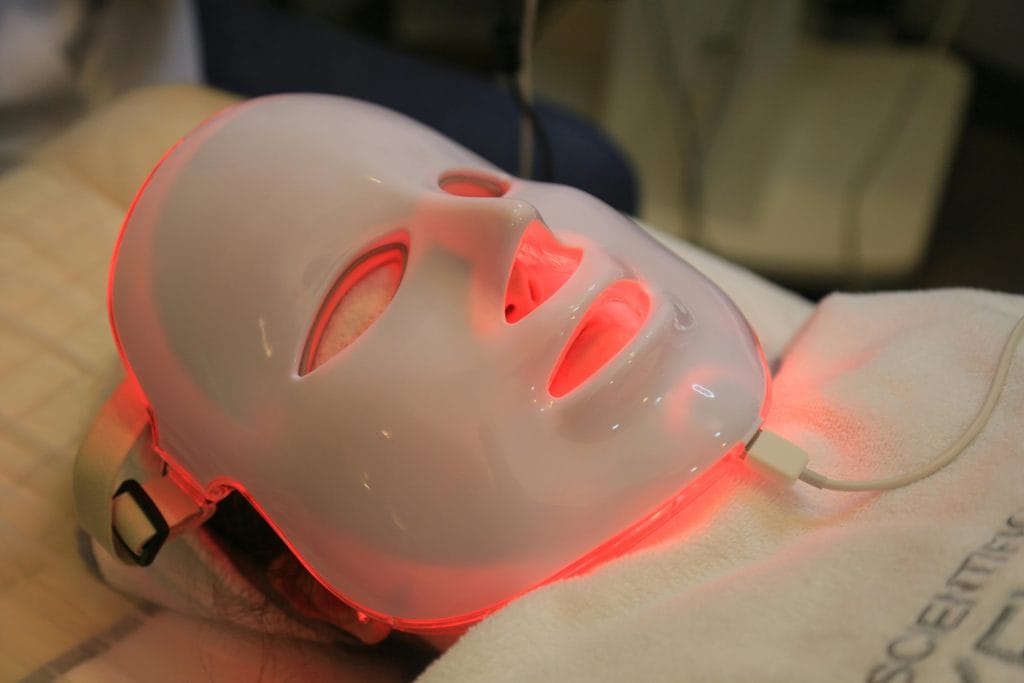
- LED Light Therapy: Specific wavelengths of light are used to stimulate cellular repair, reduce redness, and calm inflammation.
- High-Frequency Treatments: These treatments help soften the tissues and improve lymphatic drainage, which is particularly beneficial after body contouring or facial bone surgery.
- Oxygen Therapy: Providing the body with concentrated oxygen can accelerate the metabolic rate of cells, helping tissues heal faster and reducing the duration of swelling.
Professional Post-Op Monitoring
Recovery is not a one-size-fits-all process. Our medical team provides personalized check-ups to monitor your progress. By tracking the rate at which your swelling after surgery subsides, we can adjust your recovery plan, ensuring that every patient achieves their aesthetic goals safely and efficiently.
Lifestyle Adjustments During Recovery
To ensure your body can focus entirely on healing, consider the following lifestyle adjustments:
- Avoid Smoking and Alcohol: Nicotine constricts blood vessels and slows down the healing process, while alcohol can thin the blood and increase swelling and the risk of bleeding.
- Protect Yourself from the Sun: Surgical scars and swollen skin are highly sensitive to UV rays. Sun exposure can lead to permanent hyperpigmentation and can prolong inflammation.
- Wear Compression Garments: If your procedure requires a compression garment (common in liposuction or tummy tucks), wear it exactly as instructed. These garments provide consistent pressure that prevents fluid buildup and helps the skin adhere to the new contours of the body.
The Psychological Aspect of Recovery
It is important to remember that the “post-op blues” are a common experience. Looking in the mirror and seeing swelling can be discouraging. However, it is essential to remain patient. The face or body you see in the first week is not the final result.
By choosing a reputable institution for Korean plastic surgery, you are placing yourself in the hands of experts who prioritize your long-term satisfaction. Trust the process, follow the aftercare instructions provided by the Banobagi team, and give your body the time it needs to reveal your new look.
When to Contact Your Doctor
While swelling is normal, it is important to distinguish it from potential complications. Contact the clinic if you experience:
- Sudden, asymmetric swelling (one side significantly larger than the other).
- Extreme pain that is not managed by prescribed medication.
- Redness or heat at the surgical site that seems to be spreading.
- Fever or chills.
Conclusion
Managing swelling after surgery is a vital step in your transformation. By combining home care—such as elevation, proper nutrition, and temperature therapy, with the professional recovery systems at Banobagi, you can ensure a smoother, faster, and more comfortable healing process.
Your journey toward beauty and confidence doesn’t end when you leave the operating room. With the right care and the support of the Banobagi medical team, you can look forward to seeing your beautiful, refined results in the shortest time possible.
Begin Your Journey
Connect with our expert surgeons to discuss your goals and discover the ideal approach tailored to you.
Why Choose Banobagi?
Two decades. Thousands of procedures. One standard: if it looks done, it's not done well enough. Every Banobagi surgeon operates within a tight specialisation. Fewer procedure types, more mastery. That's the model, and it works.
We're not the only clinic in Korea. We're the one other clinics measure themselves against.


 E-MAIL
