



Chin & Genioplasty — Face Chin And Genioplasty

CHIN+GENIOPLASTY

IMPROVING LENGTH, SHAPE, AND EVEN SIDE PROFILE

Chin & Genioplasty — Face Chin And Genioplasty

CHIN+GENIOPLASTY

IMPROVING LENGTH, SHAPE, AND EVEN SIDE PROFILE

Chin & Genioplasty — Face Chin And Genioplasty

CHIN+

GENIOPLASTY

  • Chin & Genioplasty — Sec Info Icon

    OPERATION TIME

    About 1 hr.~1 hr. 30 mins.

  • Chin & Genioplasty — Sec Info Icon

    ANESTHESIA

    Genioplasty : General Anesthesia
    Chin implant : Sedation

  • Chin & Genioplasty — Sec Info Icon

    STITCH REMOVAL

    After about 14 days

  • Chin & Genioplasty — Sec Info Icon

    HOSPITALIZATION

    Discharged on the day

  • Chin & Genioplasty — Sec Info Icon

    FOLLOW-UPS

    2 visits for stitch removal

  • Chin & Genioplasty — Sec Info Icon

    Recovery

    May resume daily activities in 5 days

SUITABLE FOR THOSE

BANOBAGI PLASTIC SURGERY

  • Chin & Genioplasty — Face Chin And Genioplasty
    Case.01

    I have a
    short and
    receding chin

  • Chin & Genioplasty — Face Chin And Genioplasty
    Case.02

    I want to lengthen
    (or shorten)
    the tip of my chin

    for a balanced
    facial proportion

  • Chin & Genioplasty — Face Chin And Genioplasty
    Case.03

    I have a round
    or wide
    chin

  • Chin & Genioplasty — Face Chin And Genioplasty
    Case.04

    I want to have
    a V-line jaw

  • Chin & Genioplasty — Face Chin And Genioplasty
    Case.05

    I have a small jaw
    that creates
    a double chin

SURGERY METHOD

Surgical method adopted based on individual conditions



Long or protruding chin

  • Chin & Genioplasty — Sec Method

    01

    ㅅ osteotomy

  • Chin & Genioplasty — Face Chin And Genioplasty

    02

    T osteotomy

Short or receding chin

  • Chin & Genioplasty — Sec Method Img03

    01

    Bone segment moved forward

  • Chin & Genioplasty — Sec Method Img04

    02

    Chin + bone graft

  • Chin & Genioplasty — Sec Method Img05

    03

    Implant insertion

ALIGNMENT PIN

  • It is made of the same titanium material as dental implants
    and is harmless to the human body,
    so it does not need to be removed.
  • It is used to fix the relocated bone so that
    it can be attached and joined naturally.
  • It is not magnetic, so it doesn't cause an issue with MRI scans.
Chin & Genioplasty — Sec Method Explain

ONLY AT BANOBAGI

Chin & Genioplasty — Face Chin And Genioplasty
  • Adopts a surgical method(osteotomy) based
    on individual conditions
  • Clearly defines the chin line
  • Result considering the volume and shape
    from the side
  • Sophisticated and precise surgery with expertise

BANOBAGI’S KEY VALUES

Chin & Genioplasty — Sec Value
Chin & Genioplasty — Sec Value Icon
Board certified
plastic surgery specialist
with extensive clinical
experiences and
know-how as an expert
Chin & Genioplasty — Sec Value
Chin & Genioplasty — Sec Value Icon
Customized diagnosis
and expertise built
through years of research
and efforts for individual
foreign customers
Chin & Genioplasty — Sec Value
Chin & Genioplasty — Sec Value Icon
Carefully selected
top-notch medical devices
and pharmaceuticals in use
Chin & Genioplasty — Sec Value
Chin & Genioplasty — Sec Value Icon03
System established to
improve accessibility and
convenience for foreign
customers through
1:1 coordinator assignments,
accommodations,
and transportation
Chin & Genioplasty — Sec Value
Chin & Genioplasty — Sec Value Icon
Team of full-time
anesthesiologists
Chin & Genioplasty — Sec Value
Chin & Genioplasty — Sec Value Icon
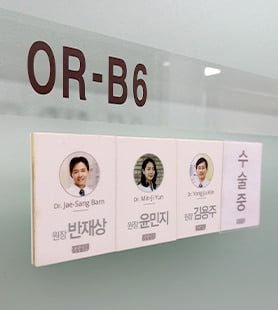
Surgical transparency
using the surgeon’s
real-name system

BEFORE & AFTER


Chin & Genioplasty — Face Chin And Genioplasty Chin & Genioplasty — Face Chin And Genioplasty
BEFORE AFTER
Chin & Genioplasty — Face Chin And Genioplasty Chin & Genioplasty — Face Chin And Genioplasty
BEFORE AFTER

Frequently Asked
Questions

A sliding genioplasty cuts and moves your own chin bone, so it can adjust height, width, and asymmetry in addition to forward projection. An implant mainly adds forward projection and is less versatile for changing chin height or narrowing width. We evaluate your profile, chin height, width, lip closure, and any asymmetry on imaging to recommend the approach that gives the most control over your specific concerns.

Yes, a sliding genioplasty can move the chin bone in multiple directions during the same surgery, advancing it forward, setting it back, shortening or lengthening the height, narrowing it, or shifting it sideways to correct asymmetry. The bone is fixed with plates and screws in its new position. Your surgeon plans the exact movements in millimetres on your preoperative imaging and explains how each direction affects your profile and front view.

Movements are planned on cephalometric tracings and 3-D imaging by relating your chin to your nose, lips, forehead, and jawline from both the side and the front. A movement that looks good in profile could make the chin look too narrow or pointy from the front if not checked against that view. Your surgeon balances both angles and shows you the planned change so you understand how it fits your whole face.

A large advancement can sometimes make a previously broad chin look narrower from the front as the bone moves forward and the soft tissue stretches across a smaller surface. Millimeter planning is a starting point, and your surgeon accounts for how your soft tissue wraps around the new bone position. We check both your profile and front views in the surgical plan so the chin fits your face from every angle.

The cut is made horizontally inside the mouth below the tooth roots and above the chin border, and the mental nerve that supplies feeling to the lower lip and chin is identified and protected throughout. The nerve runs through a small hole in the jawbone, and your surgeon stays clear of it while cutting and repositioning the chin segment. We map the nerve on your CT scan before surgery and check sensation afterward.

The plates and screws used to fix the chin bone in its new position stay in permanently and are placed against the bone surface where they are not normally felt. Some patients notice them if they press firmly under the chin, but they are not visible and rarely bothersome. We discuss what to expect and whether removal is ever indicated, which is usually only if they cause discomfort.

Swelling and lower-lip stiffness are expected for the first weeks, and sensory recovery can continue for 6 to 12 months, sometimes leaving a small area of permanently altered feeling. The smile is controlled by nerves that run in a different corridor, but swelling can temporarily make lip movement feel stiff. Your surgeon maps the expected sensory territory before surgery and tracks whether it is shrinking normally at each follow-up.

A step or notch at the bone cut is possible if the segments do not heal flush, and soft-tissue droop beneath the chin can occur if the muscle attachment is not properly resuspended. These are part of the known risk profile. We use stable fixation and careful muscle closure to minimize them, and we evaluate the contour at follow-up imaging to distinguish a cosmetic concern from a functional one.

Swelling, lower-lip stiffness, and a soft diet are standard for the first few weeks, with speech returning to normal as the lip becomes more mobile and swelling decreases. You will follow a liquid-to-soft progression and advance only when your surgeon confirms the wound is sealed and the fixation is stable. We give you a written diet plan and explain what to expect at each stage.

Advancing the chin forward can improve lip closure if a weak chin was contributing to lip incompetence by pulling the lower lip downward. A double chin is caused by fat and skin under the chin, which genioplasty alone does not remove. Your surgeon checks both during your exam and tells you whether the chin surgery will incidentally help or whether a separate step such as liposuction is needed.

The chin is the final piece of facial balance, so if you are planning jaw surgery or rhinoplasty, the chin position is often adjusted as part of that overall profile plan. Genioplasty after orthodontics ensures the bite is stable before the chin bone is moved. We coordinate with your orthodontist or other surgeons to make sure the chin position fits the sequence and does not have to be redone.

The bone cut can be recut or repositioned after the bone has healed, and smaller contour issues may be managed with hardware removal, grafting, or a small implant. Because no face is fully symmetric to begin with, your surgeon specifies which differences were present before surgery and which are correctable. A consultation lets you compare your current result to your starting photos and decide what refinement is worth pursuing.

BANOBAGI PLASTIC SURGERY

BETTER TOGETHER

CONTACT US

517 Nonhyeon-Ro, Gangnam-Gu, Seoul Korea

X

emailicon E-MAIL

english@banobagi.com

Please feel free to contact us,
and we will reply you as soon as possible.
go-top