


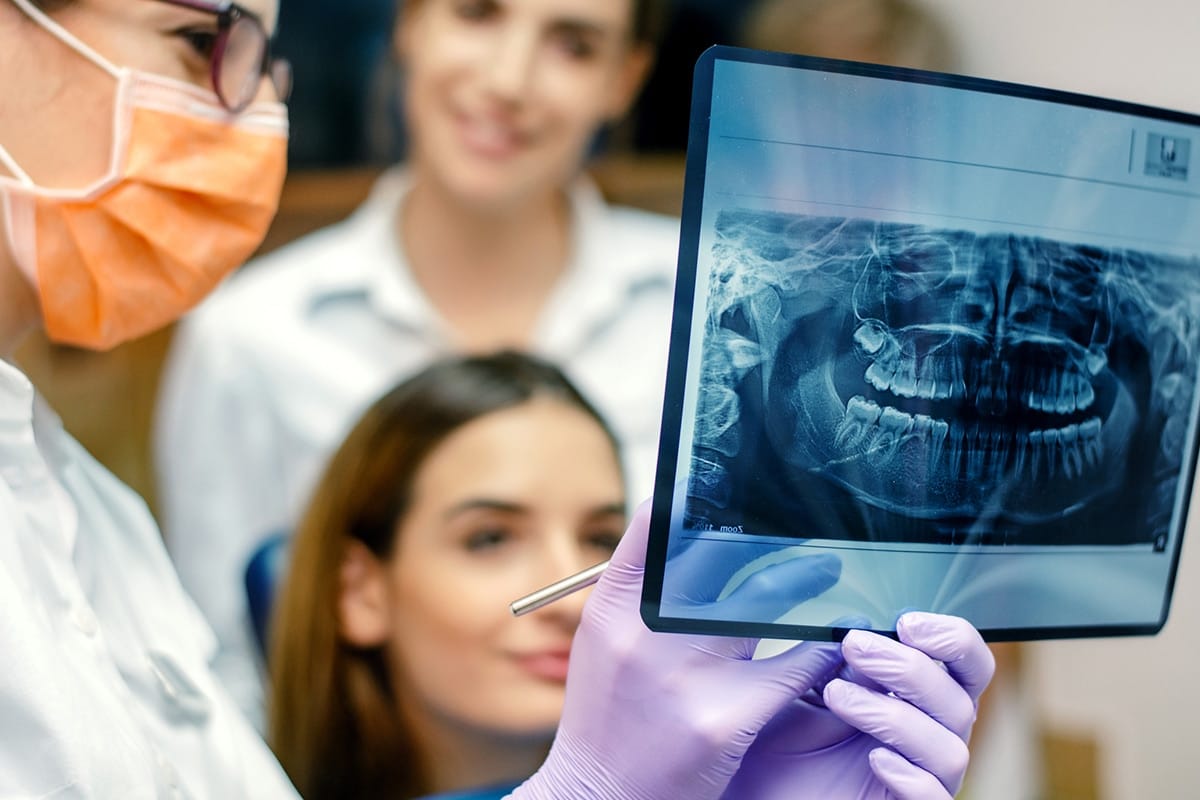
Double jaw surgery, scientifically known as bimaxillary osteotomy, is one of the most sophisticated and transformative procedures in the field of korean plastic surgery. While it is frequently celebrated for its ability to create a balanced, symmetrical, and aesthetically pleasing profile, the procedure often extends far beyond cosmetic enhancement. In many clinical scenarios, it becomes a medically necessary intervention required to resolve deep-seated functional impairments that significantly compromise a patient’s daily quality of life.
Medical necessity is determined by function, not by the scale of the visible change. Persistent pain, impaired chewing, airway problems, and severe bite discrepancies may indicate that skeletal correction is needed when conservative treatment cannot resolve the cause.
Correcting Severe Skeletal Malocclusions
The most frequent reason for medically necessary double jaw surgery is the correction of a skeletal malocclusion. Unlike dental issues that can be fixed with braces, skeletal malocclusions occur when the upper and lower jaws grow at different rates or in incorrect directions, creating a structural discrepancy.
- Severe Underbite (Mandibular Prognathism): This occurs when the lower jaw protrudes significantly beyond the upper jaw, making it difficult to bite into food and causing excessive wear on the back teeth.
- Severe Overbite (Retrognathia): When the lower jaw is recessed, it can lead to “over-shaving” of the lower teeth against the roof of the mouth and potential speech impediments.
- Persistent Open Bite: An open bite leaves a visible gap between the upper and lower teeth when the mouth is closed, making it nearly impossible to cut food with the incisors or speak clearly without a lisp.
- Asymmetrical Jaw Growth: If one side of the jaw grows more than the other, it results in a tilted bite and significant facial asymmetry that can lead to uneven tooth wear and long-term periodontal disease.
By surgically realigning the bones into their optimal positions, specialists at Banobagi restore efficient mastication, which is critical for proper digestion and overall nutritional health.
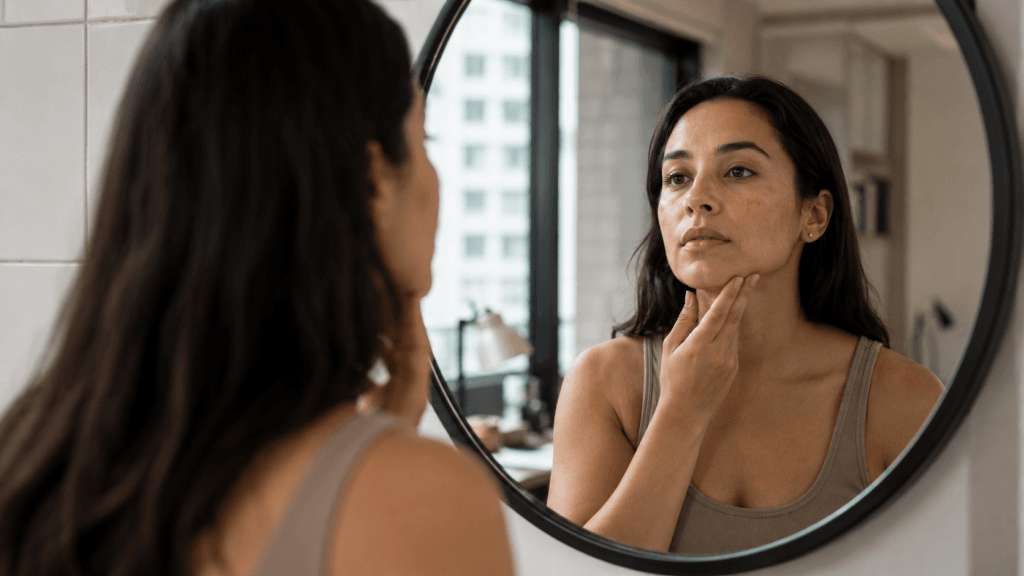
Resolving Obstructive Sleep Apnea (OSA)
A critical medical application of double jaw surgery is in the treatment of obstructive sleep apnea (OSA). OSA is characterized by repeated episodes where the airway partially or completely collapses during sleep, leading to dangerous drops in blood oxygen levels and fragmented rest.
For patients whose sleep apnea is caused by a narrow or recessed jaw structure (which pushes the tongue and soft tissues back), maxillomandibular advancement (advancing both jaws) is often the gold-standard treatment.
- Airway Expansion: By moving the upper and lower jaws forward, the space behind the tongue and soft palate is physically widened.
- Respiratory Stability: This structural change significantly increases airway volume, allowing for stable, uninterrupted breathing throughout the night.
- Long-term Health: Correcting OSA through surgery reduces the risk of secondary conditions like hypertension, heart disease, and chronic fatigue.
Relieving Chronic TMJ Disorders and Pain
The temporomandibular joint (TMJ) is the sliding hinge that connects your jawbone to your skull. When the jaws are misaligned, this joint is placed under constant, asymmetrical strain.
Surgery is considered medically necessary when structural abnormalities prevent the joint from functioning correctly, leading to:
- Persistent Facial Pain: Constant aching in the jaw and surrounding muscles.
- Chronic Headaches: Migraine-like symptoms caused by muscle tension in the temples.
- Functional Locking: Painful clicking or the inability to fully open or close the mouth.
Realigning the jaws through double jaw surgery korea balances the load on the joints, often providing permanent relief from chronic pain and preventing degenerative joint disease.
Restoring Function After Trauma or Birth Defects
For individuals born with congenital conditions or those who have suffered a severe facial injury, double jaw surgery is a vital reconstructive necessity.
- Congenital Anomalies: For conditions like cleft palate or hemifacial microsomia, surgeons correct growth disturbances to establish a functional bite and symmetrical facial structure.
- Traumatic Repair: Surgery can rebuild and realign the jawbone after complex fractures sustained in accidents, restoring the patient’s foundational ability to eat, speak, and breathe normally.
Clinical Criteria for Medical Necessity
In a professional medical setting, a procedure is generally considered medically necessary when there is documented functional impairment that the surgery is reasonably expected to resolve. Banobagi specialists evaluate patients based on several clinical indicators:
- Masticatory Dysfunction: A documented inability to bite or chew solid foods, often resulting in dietary restrictions or gastrointestinal issues.
- Speech Impairment: Verifiable speech impediments, such as severe lisps or whistling sounds, that are directly caused by jaw skeletal deformities and have not responded to speech therapy.
- Documented Airway Obstruction: Confirmed results from a polysomnogram (sleep study) showing severe OSA that has not been successfully treated with non-invasive methods like CPAP machines.
- Anatomical Deviations: Clinical measurements, such as an overjet of 5mm or more, or a crossbite greater than 3mm, that represent significant deviations from anatomical norms.
The Banobagi Advantage: Precision and Safety
At Banobagi Plastic Surgery Clinic, we recognize that double jaw surgery is a complex journey requiring the highest level of surgical and diagnostic specialization.
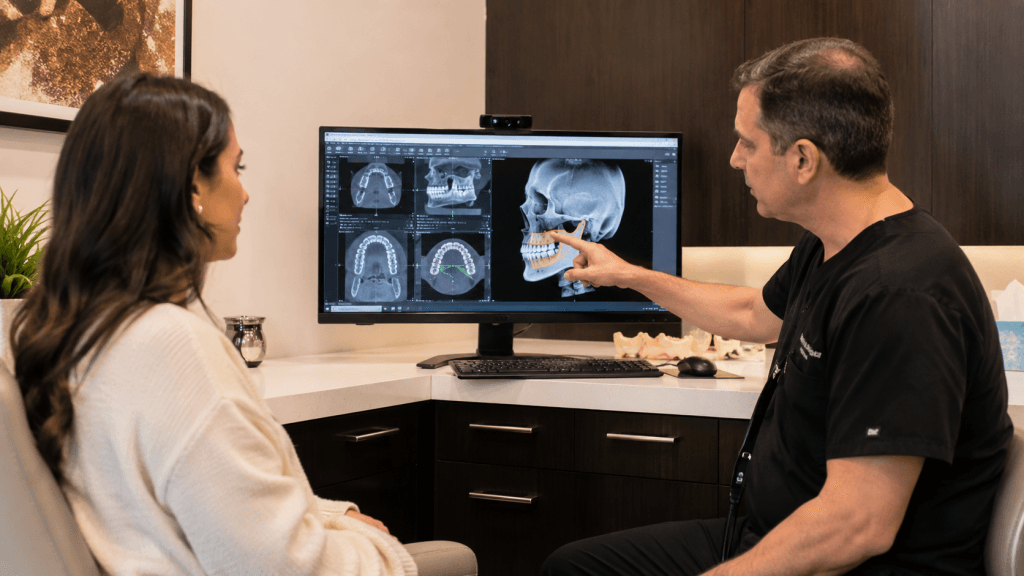
- 3D Virtual Planning and Diagnosis: We utilize high-resolution 3D CT scans to map out every millimeter of the jaw structure, nerve pathways, and tooth roots. This allows us to perform a “virtual surgery” first, ensuring a precise plan tailored to your specific anatomical needs.
- Collaborative Surgical Teams: Our plastic surgery specialists work in constant cooperation with oral and maxillofacial surgeons to ensure that your bite, jaw health, and aesthetic profile are all perfectly synchronized.
- Bioresorbable Osteotrans Pins: Banobagi utilizes specialized bioresorbable pins that are gradually absorbed by the bone over time. This eliminates the need for a second surgery to remove metal hardware, reducing long-term discomfort and patient costs.
- Safety-First Philosophy: With board-certified surgeons and full-time, on-site anesthesiologists who monitor every second of the procedure, we prioritize your safety and health at every step of the transformation.
Conclusion
Double jaw surgery is far more than a “cosmetic” procedure; it is a fundamental restoration of the body’s primary functional system. Whether you are looking to breathe clearly for the first time, eat without chronic pain, or restore skeletal balance to your face, medically necessary jaw surgery at Banobagi provides a pathway to a healthier, more vibrant, and more confident life.
Begin Your Journey
Connect with our expert surgeons to discuss your goals and discover the ideal approach tailored to you.
Why Choose Banobagi?
Two decades. Thousands of procedures. One standard: if it looks done, it's not done well enough. Every Banobagi surgeon operates within a tight specialisation. Fewer procedure types, more mastery. That's the model, and it works.
We're not the only clinic in Korea. We're the one other clinics measure themselves against.


 E-MAIL
