


























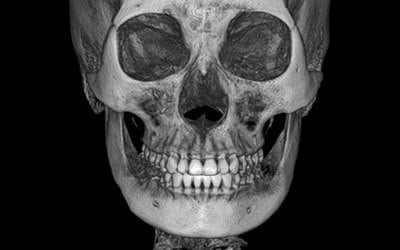
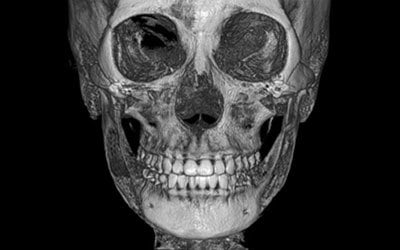


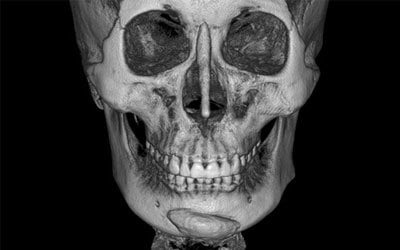
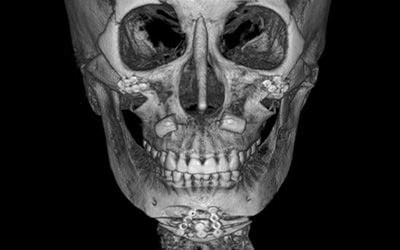





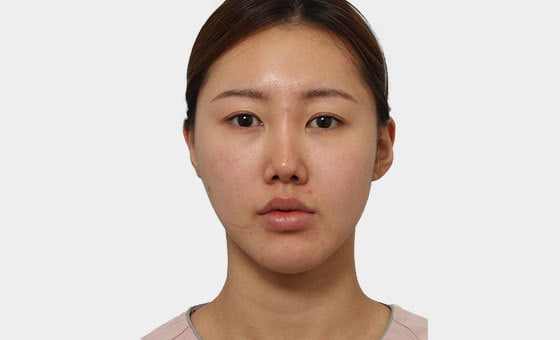



Facial Contouring Revision — Face Contour Revision

FACE CONTOURING REVISION

FIRST YET LAST REVISION SURGERY

Facial Contouring Revision — Face Contour Revision

FACE CONTOURING REVISION

FIRST YET LAST REVISION SURGERY

Facial Contouring Revision — Face Contour Revision

FACE CONTOURING

REVISION

  • Facial Contouring Revision — Sec Info Icon

    OPERATION TIME

    About 1 hr. per each facial part

  • Facial Contouring Revision — Sec Info Icon

    ANESTHESIA

    General Anesthesia

  • Facial Contouring Revision — Sec Info Icon

    STITCH REMOVAL

    After about 14 days

  • Facial Contouring Revision — Sec Info Icon

    HOSPITALIZATION

    Discharged on the day or 1 night

  • Facial Contouring Revision — Sec Info Icon

    FOLLOW-UPS

    2 visits for stitch removal

  • Facial Contouring Revision — Sec Info Icon

    Recovery

    May resume daily activities in 3 days

SUITABLE FOR THOSE

BANOBAGI PLASTIC SURGERY

  • Facial Contouring Revision — Face Contour Revision
    Case.01

    I ended up having
    a secondary angle
    in my mandible

    from the previous jaw
    reduction surgery

  • Facial Contouring Revision — Face Contour Revision
    Case.02

    My cheekbones
    (jaw or front chin)

    became
    asymmetrical after
    the previous face
    contouring surgery

  • Facial Contouring Revision — Face Contour Revision
    Case.03

    I am not satisfied
    with the shape,
    location, and size

    of my cheekbone
    (or jaw or front chin)

  • Facial Contouring Revision — Face Contour Revision
    Case.04

    My front cheeks
    including nasolabial
    folds and under eye
    became saggy

    after a zygoma
    reduction surgery

  • Facial Contouring Revision — Face Contour Revision
    Case.05

    I want more defined
    and significant
    change with
    slimmer
    facial lines

SURGERY METHOD

Some of mostly enquired cases of face contouring revision are given as examples,
and the actual cause and surgical method for revisionary surgery may vary depending on the
individual’s condition.

Identifying the cause of a patient’s dissatisfaction through a precise diagnosis and consultation
and addressing the issues accurately are important to avoid another revisionary surgery.
Properly correct the locations of the maxillary and mandibular bones based on individual conditions

  • Case.01

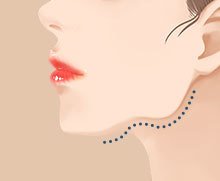
    The previous surgery created a secondary angle (staircase-shaped jawline),
    which looks unnatural

    Examines the extent of the previous surgery, and through precise diagnosis and based on skilled profession,
    shaves off the jawbone in long curve to achieve the desired jawline shape(No more secondary or unnatural angle)

    Facial Contouring Revision — Sec Method Img Arrow
    Facial Contouring Revision — Sec Method01 Img01
    BEFORE
    Facial Contouring Revision — Sec Method Bna Arrow Facial Contouring Revision — Sec Method Bna Arrow Mo
    Facial Contouring Revision — Sec Method01 Img01
    AFTER 6 MONTHS
  • Case.02

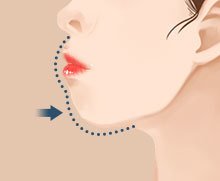
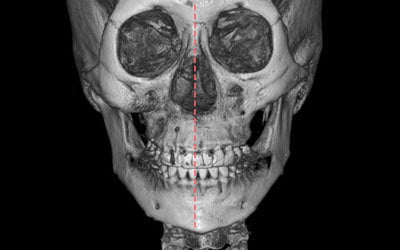
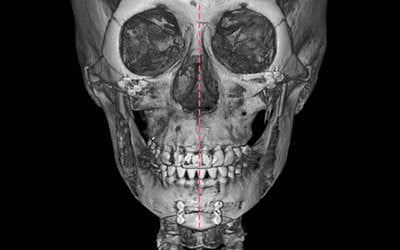
    The previous surgery left facial asymmetry or didn’t improve with asymmetry

    Shaves off the jawline based on the centerline of the face to achieve symmetry and, if necessary,
    performs masticatory muscle reduction or buccal fat removal.

    Facial Contouring Revision — Sec Method Img Arrow
    Facial Contouring Revision — Sec Method01 Img02
    BEFORE
    Facial Contouring Revision — Sec Method Bna Arrow Facial Contouring Revision — Sec Method Bna Arrow Mo
    Facial Contouring Revision — Sec Method01 Img02
    AFTER 6 MONTHS
  • Case.03

    The previous surgery didn’t sufficiently improve on slimmer facial lines

    Through precise diagnosis, performs cortical osteotomy with masticatory muscle reduction or buccal fat removal
    to improve the jawline. In particular, cortical osteotomy is a surgical procedure that involves cutting out
    the outermost layer of the jawbone and reducing the thickness of the jawbone itself, which provides the most
    satisfactory result of slimming down the facial curves.

    Facial Contouring Revision — Sec Method Img Arrow
    Facial Contouring Revision — Sec Method01 Img03
    BEFORE
    Facial Contouring Revision — Sec Method Bna Arrow Facial Contouring Revision — Sec Method Bna Arrow Mo
    Facial Contouring Revision — Sec Method01 Img03
    AFTER 6 MONTHS
  • Case.01

    Asymmetry is formed from the previous surgery

    Through a precise diagnosis, figures out extent of available movement of the cheekbones
    and improves asymmetry by considering muscles for facial expression.

    Facial Contouring Revision — Sec Method Img Arrow
    Facial Contouring Revision — Sec Method02 Img01
    BEFORE
    Facial Contouring Revision — Sec Method Bna Arrow Facial Contouring Revision — Sec Method Bna Arrow Mo
    Facial Contouring Revision — Sec Method02 Img01
    AFTER 6 MONTHS
  • Case.02

    The previous surgery didn’t sufficiently reduce the size of cheekbones

    Based on BANOBAGI’s specialized osteotomy techniques, reduces cheekbones more effectively
    by moving the zygomatic complex which includes whole width of zygoma.

    Facial Contouring Revision — Sec Method Img Arrow
    Facial Contouring Revision — Sec Method02 Img02
    BEFORE
    Facial Contouring Revision — Sec Method Bna Arrow Facial Contouring Revision — Sec Method Bna Arrow Mo
    Facial Contouring Revision — Sec Method02 Img02
    AFTER 6 MONTHS
  • Case.03

    The front cheeks became saggy after cheekbone surgery

    Improves by replacement of the cheekbones or performs cheek lift surgery when it’s due to aging,
    as the symptom is caused by miscalculating the correlation between soft tissues covering the cheekbones and
    the extent of cheekbones removed.

    Facial Contouring Revision — Sec Method Img Arrow
    Facial Contouring Revision — Sec Method02 Img03
    BEFORE
    Facial Contouring Revision — Sec Method Bna Arrow Facial Contouring Revision — Sec Method Bna Arrow Mo
    Facial Contouring Revision — Sec Method02 Img03
    AFTER 6 MONTHS
  • Case.01

    Looking unnatural due to the previous excessive correction

    Improves an unnatural parts by performing additional osteotomy or revisionary procedure according
    to the previously applied surgical procedures

    Facial Contouring Revision — Sec Method Img Arrow
    Facial Contouring Revision — Sec Method03 Img01
    BEFORE
    Facial Contouring Revision — Sec Method Bna Arrow Facial Contouring Revision — Sec Method Bna Arrow Mo
    Facial Contouring Revision — Sec Method03 Img01
    AFTER 6 MONTHS
  • Case.02

    One side of the jaw is warped

    Shaves off the jawline based on the centerline of the face to achieve symmetry and, if necessary, performs
    masticatory muscle reduction or buccal fat removal.

    Facial Contouring Revision — Sec Method Img Arrow
    Facial Contouring Revision — Sec Method03 Img02
    BEFORE
    Facial Contouring Revision — Sec Method Bna Arrow Facial Contouring Revision — Sec Method Bna Arrow Mo
    Facial Contouring Revision — Sec Method03 Img02
    AFTER 6 MONTHS

ONLY AT BANOBAGI

Facial Contouring Revision — Face Contour Revision
  • Maximizes surgical efficiency while minimizing patient’s
    pressure for surgery through an accurate diagnosis
  • Provides satisfactory results in consideration of
    anatomical features of bones and muscles
  • Equipped with professional & most advanced safety
    systems such as uninterruptible power supply
    as we prioritize patient’s safety
  • Creates well-balanced facial lines that look harmonious
    from every angle based on individual needs

BANOBAGI’S KEY VALUES

Facial Contouring Revision — Sec Value
Facial Contouring Revision — Sec Value Icon
Board certified
plastic surgery specialist
with extensive clinical
experiences and
know-how as an expert
Facial Contouring Revision — Sec Value
Facial Contouring Revision — Sec Value Icon
Customized diagnosis
and expertise built
through years of research
and efforts for individual
foreign customers
Facial Contouring Revision — Sec Value
Facial Contouring Revision — Sec Value Icon
Carefully selected
top-notch medical devices
and pharmaceuticals in use
Facial Contouring Revision — Sec Value
Facial Contouring Revision — Sec Value Icon03
System established to
improve accessibility and
convenience for foreign
customers through
1:1 coordinator assignments,
accommodations,
and transportation
Facial Contouring Revision — Sec Value
Facial Contouring Revision — Sec Value Icon
Team of full-time
anesthesiologists
Facial Contouring Revision — Sec Value
Facial Contouring Revision — Sec Value Icon
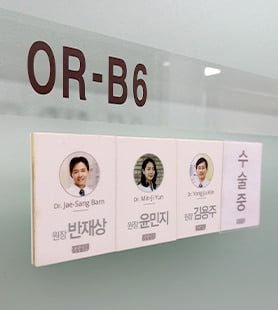
Surgical transparency
using the surgeon’s
real-name system

BEFORE & AFTER

Facial Contouring Revision — Face Contour Revision Facial Contouring Revision — Face Contour Revision
BEFORE AFTER
Facial Contouring Revision — Face Contour Revision Facial Contouring Revision — Face Contour Revision
BEFORE AFTER

Frequently Asked
Questions

An unsatisfactory contour can come from several sources: bone that was not reduced enough or was reduced too much, a visible step where the cut stopped, bone that did not heal together, side-to-side differences, or skin and muscle that dropped after the bone support was removed. We compare your current exam and CT scan with your original preoperative images and operative records to separate what is bone from what is soft tissue or swelling.

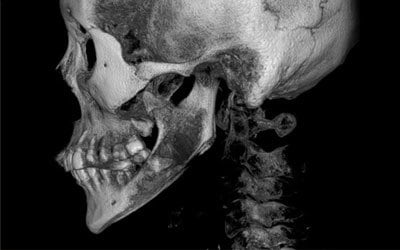
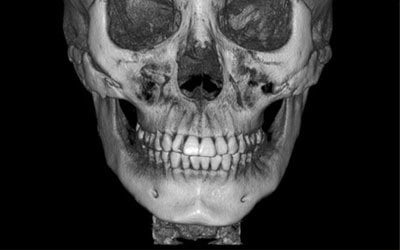
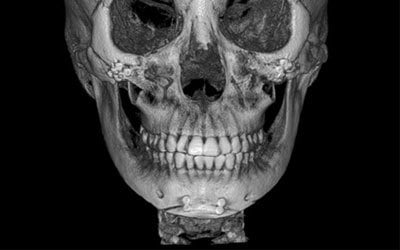
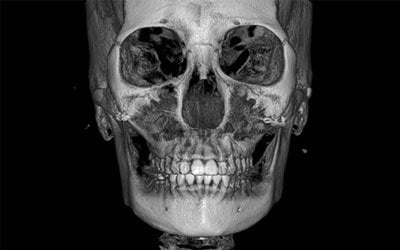
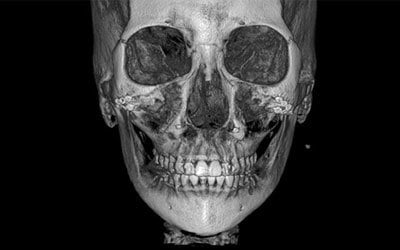
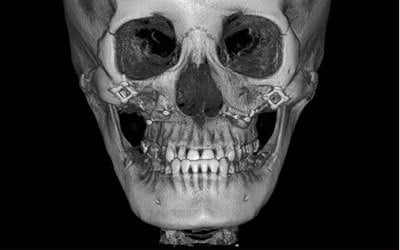
A 3-D CT scan is the clearest way to see whether the bone healed in the intended position and whether a contour issue is coming from the skeleton or from the soft tissue draped over it. Muscle bulk, fat, swelling, and loose skin can mimic or hide a bone problem. We use imaging plus a hands-on examination to assign each concern to the right tissue layer so the revision targets the actual source of the problem.

You should generally wait at least 6 to 12 months for the bone and soft tissue to fully heal and for residual swelling to resolve. Planning revision too early risks operating on a face that is still settling. We track your healing at follow-up visits and schedule revision imaging only once your contours are stable enough to make a reliable plan.

A remaining prominence can sometimes be conservatively reduced, but revision dissection works through scar tissue and near nerves that may have shifted position, so the margin for aggressive bone removal is narrower. The risk of nerve injury and sagging is higher in revision compared to primary surgery. We evaluate whether the remaining width is enough of a concern to justify those increased risks.

Over-resection is harder to fix than under-resection. Reconstruction options include a bone graft from your own body, a custom implant designed from your CT scan, fat grafting to add volume, or a lifting procedure to reposition soft tissue that has dropped. Each has different risks and degrees of predictability. Your surgeon walks through which combination best suits your bone loss pattern and soft-tissue quality.

Yes, hardware that is causing discomfort or is visible can usually be removed or repositioned during a revision. The bone around the hardware needs to be fully healed before removal makes sense. We discuss whether hardware is the source of your concern and what the recovery from removal alone would involve.

Scar tissue from the first surgery makes tissue planes harder to separate, increases bleeding, and can obscure the landmarks the surgeon uses to identify nerves and blood vessels. Recovery swelling and mouth-opening limitation may last longer after revision than after the primary surgery. We factor this in when planning the revision and may stage the work across more than one operation for safety.

Yes, nerves that were stretched or displaced during the first surgery are more vulnerable during a second dissection through scar tissue. If you already have numbness from the first operation, the risk of making it worse or creating a new motor weakness is higher. Your surgeon checks your current sensory and motor status before planning revision and discusses whether the benefit justifies the added nerve risk.

Generally yes, because the tissues have already been operated on and scarred, swelling and restricted mouth opening tend to last longer after revision. The recovery timeline is extended and less predictable than a first surgery. We give you a realistic estimate based on what is being done and what the tissue condition is at the time of the revision.

Yes, if the bone position is acceptable and the main concern is soft tissue that has dropped after bone support was removed, a lifting procedure or fat grafting can restore volume and elevation without touching the bone again. This is often a lower-risk step than a second bone revision. Your surgeon checks whether the sagging is from tissue looseness or from an underlying bone shape that still needs correction.

The goal is a safer, smoother balance rather than perfect mirror symmetry, because the two sides started the revision with different bone loss and scar patterns. Aggressive correction of one side to match the other often creates more problems than it solves. We talk frankly about what is achievable and may recommend staging the revision if two separate problems need different solutions.

Complex revisions sometimes require more than one stage because fixing every issue in a single surgery can be too aggressive for the tissue and nerves to tolerate. A staged approach may be safer, with a second fine-tuning procedure after the first has healed. We set the expectation that a single operation may not be the final word, and we plan the sequence with your safety and the result in mind.

BANOBAGI PLASTIC SURGERY

BETTER TOGETHER

CONTACT US

517 Nonhyeon-Ro, Gangnam-Gu, Seoul Korea

X

emailicon E-MAIL

english@banobagi.com

Please feel free to contact us,
and we will reply you as soon as possible.
go-top