























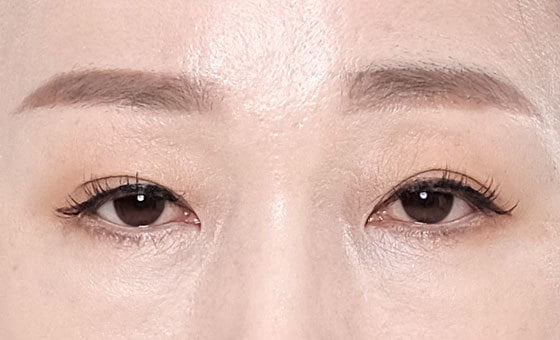



EYE SURGERY FOR THE MIDDLE-AGED

TURN BACK THE CLOCK ON AGING EYES

EYE SURGERY FOR THE MIDDLE-AGED

TURN BACK THE CLOCK ON AGING EYES

Lower Blepharoplasty — LOWERBLEPHAROPLASTY

LOWER

BLEPHAROPLASTY

  • Lower Blepharoplasty — OPERATION TIME — About 1 hour.

    OPERATION TIME

    About 1 hour.

  • Lower Blepharoplasty — Anesthesia — Local anesthesia and Sedation

    Anesthesia

    Local anesthesia and Sedation

  • Lower Blepharoplasty — Stitch Removal — After about 7 days

    Stitch Removal

    After about 7 days

  • Lower Blepharoplasty — Hospitalization — Discharged on the day

    Hospitalization

    Discharged on the day

  • Lower Blepharoplasty — Follow-ups — 1 visit for stitch removal

    Follow-ups

    1 visit for stitch removal

  • Lower Blepharoplasty — Recovery — May resume daily activities in 5~7 days

    Recovery

    May resume daily activities in 5~7 days

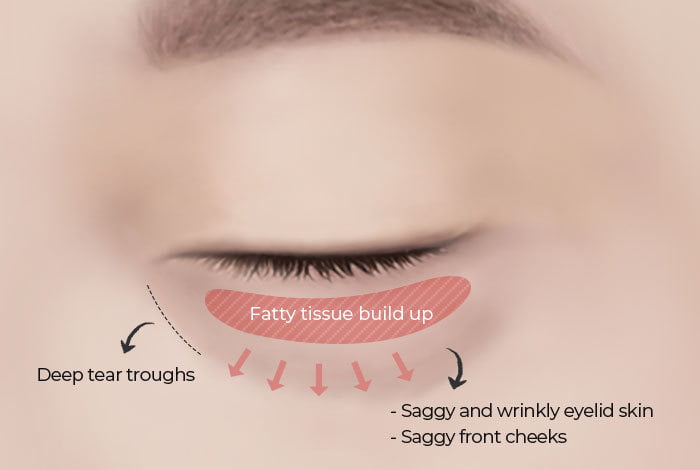
SIGNS OF AGING ON THE LOWER LIDS

Lower Blepharoplasty — SIGNS OF AGING ON THE LOWER LIDS

BANOBAGI PLASTIC SURGERY

SUITABLE FOR THOSE

  • Case.01

    I have deep wrinkles
    on the lower eyelids
    that make me
    look old

  • Case.02

    I tend to always
    look tired due to
    my eye bags

  • Case.03

    I have severe droopy
    skin and muscles

    on the lower lids

  • Case.04

    I have no volume on
    the lower eyelids

    and front cheeks

  • Case.05

    I desire a younger
    look
    through brighter
    and smoother
    lower eyelids

SURGERY METHOD

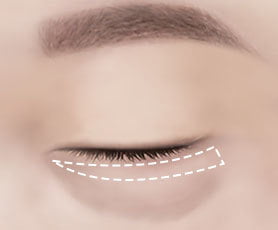
  • Lower Blepharoplasty — Incisions are made right below the lower-eyelash lines for minimal scarring
    01

    Incisions are made right
    below the lower-eyelash lines
    for minimal scarring

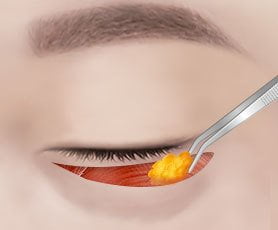
  • Lower Blepharoplasty — Excessive skin and fat are removed
    02

    Excessive skin and fat are
    removed

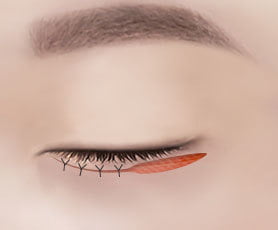
  • Lower Blepharoplasty — Neatly sutured after the muscles are fixated and wrinkles are smoothed out
    03

    Neatly sutured after the
    muscles are fixated and
    wrinkles are smoothed out

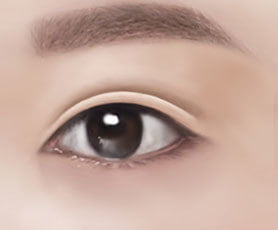
  • Lower Blepharoplasty — Resulting in smoother lower eyelids
    04

    Resulting in smoother lower
    eyelids

ONLY AT BANOBAGI

Lower Blepharoplasty — ONLY AT BANOBAGI
  • Incisions are made close to the lower lash line for
    minimal scarring
  • Only the right amount of skin is removed to avoid
    overcorrection
  • Side effects are minimized by detailed consultation
    and safe surgery
  • Puffy eyes are smoothed out for a refreshing look

BANOBAGI’s Key Values

Lower Blepharoplasty — Relaxing and comfortable facility
Relaxing and
comfortable facility
Lower Blepharoplasty — System established to improve accessibility and convenience for foreign customers through 1:1 coordinator assignments, accommodations, and transportation
System established to
improve accessibility and
convenience for foreign
customers through
1:1 coordinator assignments,
accommodations,
and transportation
Lower Blepharoplasty — Team of full-time anesthesiologists
Team of full-time
anesthesiologists
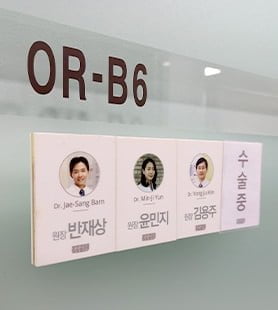
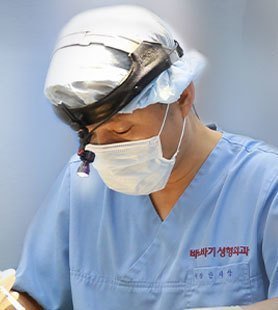
Lower Blepharoplasty — Surgical transparency using the surgeon’s real-name system
Surgical transparency
using the surgeon’s
real-name system
Lower Blepharoplasty — Board certified plastic surgery specialist with extensive clinical experiences and know-how as an expert
Board certified
plastic surgery specialist
with extensive clinical
experiences and
know-how as an expert
Lower Blepharoplasty — Customized diagnosis and expertise built through years of research and efforts for individual foreign customers
Customized diagnosis
and expertise built
through years of research
and efforts for individual
foreign customers

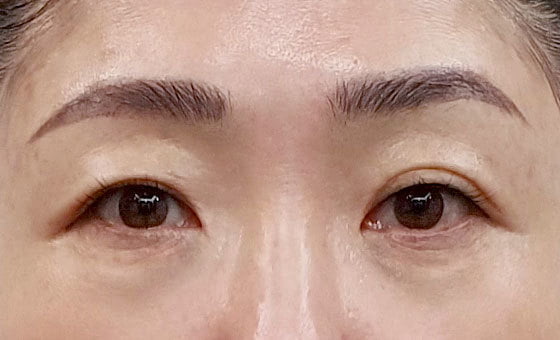
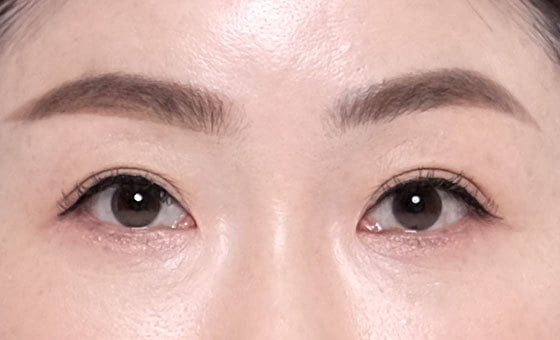
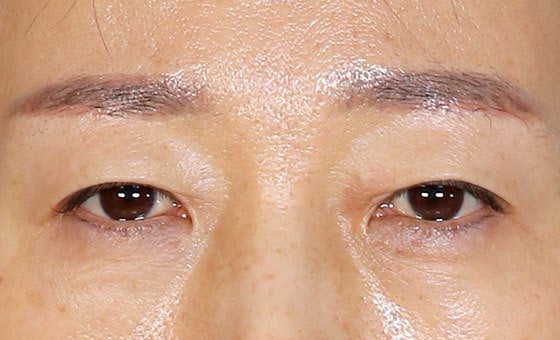
BEFORE & AFTER

Lower Blepharoplasty — Before treatment Lower Blepharoplasty — After treatment
BEFORE AFTER
Lower Blepharoplasty — Before treatment Lower Blepharoplasty — After treatment
BEFORE AFTER

Frequently Asked
Questions

Lower-eyelid treatment depends on whether the main problem is a fat bag, a hollow tear trough, loose skin, or a combination. Fat may be reduced or moved into the hollow to create a smoother transition to the cheek. Skin is removed only when true looseness remains and the eyelid has enough support. Simply removing all visible fat can create a hollow appearance, so preserving balanced volume is important.

Scar location is secondary to which layers need hands-on access. Through the inner eyelid lining (inside the lid), the surgeon reaches natural fat around the eye without cutting outer skin. That route fits bags and trough contour when skin excess is mild or better handled with resurfacing, peel, or a tiny pinch later. There is no external lower-lid scar, and meaningful skin folds are not removed by this path alone. Through an incision just below the lashes, fat can be addressed along with controlled skin and, when planned, muscle support or repositioning the skin.

Before any strip of skin is marked for removal, the lid is tested for how well it holds against the eyeball, because weak support is the setup for post-op pull-down. On exam, the lid is gently pulled away and released (snap-back): a slow return, long distraction distance, or a outer corner of the eye that already sits low or soft raises concern. Lower-lid height against the iris, pre-existing white showing below the pupil, dry-eye history, and cheek support all feed the same decision.

Yes, if fat is treated as shape, not as material to empty out. A bag often sits directly above a trough; pure aggressive removal can flatten the bulge and still leave a hard step at the eye socket rim, a hollow or bony midface, or a deeper circle that reads older than the bag did. Balancing reduction of real herniation with preservation or transfer of volume into the trough is what softens the lid–cheek line.

Only a conservative amount of skin should be removed. The surgeon checks how firmly the lower eyelid rests against the eye, how quickly it returns after being gently pulled, and how much white already shows below the iris. A loose or weak eyelid may need additional outer-corner support. Removing too much skin can pull the eyelid downward, so safe closure and position are more important than removing every fine wrinkle.

For many people the eye opening looks tighter, rounder, or uneven for weeks even when the surgical plan was sound. Firm swelling and bruising in the first one to two weeks fill the lids and can shrink the visible opening; one side often lags the other. Social swelling usually eases enough by two to four weeks that makeup and daily life feel more normal, though stiffness and mild puffiness hang on. Contour keeps softening through roughly six to twelve weeks, and subtle fat settling plus scar pliability can continue into the three-to-six-month window.

These are eyelid-position problems, not ordinary morning puffiness. Ectropion means the lower eyelid turns outward. Retraction means it is pulled too low, and scleral show means more white is visible below the iris than before surgery. Progressive downward drift, a clear gap between lid and eyeball that is not improving, inability to close the eye, or worsening exposure symptoms deserve urgent clinical review rather than more waiting.

Surface irritation is common after lower-lid work and usually tracks with swelling and incomplete early blinks. Dryness and wind sensitivity often peak in the first one to two weeks. Tearing can rise at the same time, dry surface and a lid that is not pumping tears well both trigger reflex watering. Mild blur is frequently ointment, unstable tear film, or surface dryness rather than an intraocular issue. Many people feel much better by about two to four weeks; remaining sensitivity can run six to twelve weeks, longer with a dry-eye history.

Activities restart in layers so friction, infection risk, and venous pressure do not keep the lids puffy or stress a healing margin. Makeup usually waits until external stitches are out and the incision is sealed, often around seven to ten days when cleared, then light products only, no heavy rubbing. Contact lenses almost always return later than glasses, commonly around two to three weeks once the surface feels comfortable and blinks are reliable.

Lower blepharoplasty can smooth bags, loose folds, and some shadowing, but it does not remove every fine wrinkle or dark circle. Fine lines and sun-damaged texture may still need skin care, a peel, laser, or another surface treatment. Dark circles caused by a bag or hollow often improve when the contour is smoothed. Darkness caused by natural skin color, visible vessels, or thin skin usually remains to some degree.

Results commonly last for many years because treated fat and improved support do not immediately return to their original position. Aging still continues, so the skin may loosen, the cheeks may lose volume, and small bags or wrinkles can gradually appear again. Weight changes and genetics also affect the result. A sudden return is uncommon; most later changes happen slowly and may involve skin or cheek aging rather than the original eye bags alone.

Severe dryness, inability to close the eye, infection, or a rapidly worsening eyelid position needs prompt assessment. Appearance concerns such as remaining bags, hollowness, or unevenness are usually reviewed after swelling has settled, often around three to six months. Treatment may involve adjusting remaining fat, restoring volume, releasing a tight scar, or strengthening the outer corner. The surgeon should correct the specific problem instead of repeating the entire operation.

BANOBAGI PLASTIC SURGERY

BETTER TOGETHER

CONTACT US

517 Nonhyeon-Ro, Gangnam-Gu, Seoul Korea

X

emailicon E-MAIL

english@banobagi.com

Please feel free to contact us,
and we will reply you as soon as possible.
go-top