


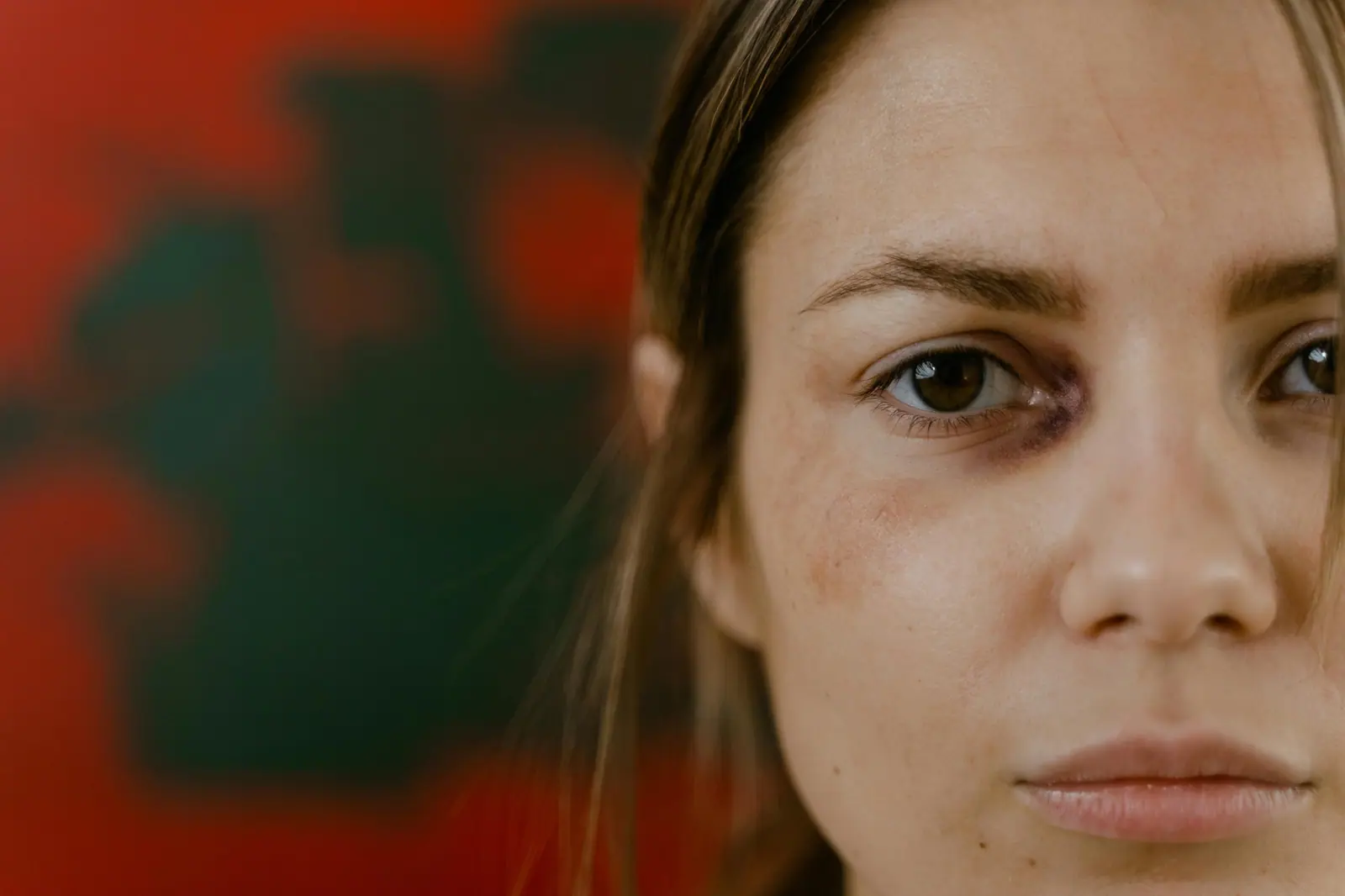
The decision to undergo a procedure at a premier institution for Korean plastic surgery is often the first step toward a renewed sense of self. However, even with the most advanced surgical techniques, the body’s natural response to tissue adjustment involves a healing phase that frequently includes bruising.
Why does bruising change color, and when should it become a concern? The pattern usually reflects normal healing, but recognizing each stage helps patients know when to rest, use supportive care, or contact the medical team. This guide explains the common types of post-surgical bruising and practical ways to support recovery.
What is Post-Operative Bruising?
Bruising, or ecchymosis, occurs when small blood vessels (capillaries) beneath the skin are disrupted during surgery, causing blood to leak into the surrounding soft tissue. This results in the characteristic discoloration seen on the skin’s surface. While it may look concerning, bruising is a standard sign that your body is beginning the repair process.
The Typical Bruising Timeline
Tracking the color changes of a bruise can help you monitor your healing progress:
- Days 1–2: The bruise typically appears red or pink as fresh blood pools under the skin.
- Days 3–5: It often shifts to a darker blue, purple, or even blackish tone as the blood loses oxygen.
- Days 6–10: The area may turn green or yellow as the body begins to break down the hemoglobin.
- Days 10–14: The discoloration fades to a light brown or yellowish tint before disappearing completely.
Identifying When Bruising Needs Attention
While most bruising after surgery is normal, it is important to distinguish a standard bruise from a hematoma. A hematoma is a larger collection of blood that can cause a firm, painful lump and may require medical attention.
You should consult your Banobagi specialist if you notice:
- Rapidly increasing swelling or a bruise that continues to expand significantly after the first few days.
- Extreme pain that is not relieved by your prescribed recovery plan.
- Redness accompanied by excessive heat or a fever, which could indicate infection.
Expert Tips for Treating Bruising at Home
Effective management in the early stages of recovery can significantly reduce the duration and visibility of bruises.
1. Temperature Therapy: The 48-Hour Rule
- Cold Compresses (First 48 Hours): Applying cold packs immediately after surgery constricts blood vessels, which limits further leakage and reduces the initial size of the bruise. Apply for 15–20 minutes at a time, ensuring the pack is wrapped in a cloth to protect your skin.
- Warm Compresses (After Day 3–7): Once the initial “leaking” phase has stopped, switching to warm compresses helps dilate blood vessels and increases circulation. This helps the body reabsorb the trapped blood more efficiently.
2. Strategic Elevation
Gravity plays a major role in recovery. Keeping the treated area elevated above the level of your heart prevents blood from pooling in the tissues. For facial procedures, sleeping with an extra pillow or a bed wedge is highly recommended for the first week.
3. Nutrition for Healing
What you eat can influence how quickly your skin clears.
- Vitamin K: Found in leafy greens like kale and spinach, Vitamin K is essential for healthy blood clotting and can help minimize discoloration.
- Bromelain: This enzyme, found naturally in pineapple, has anti-inflammatory properties that can assist in breaking down bruises.
- Hydration: Drinking plenty of water supports your lymphatic system, which is responsible for clearing out the cellular debris from a bruise.

The Banobagi Recovery Care System
Banobagi Plastic Surgery Clinic stands out in the world of Korean plastic surgery due to our comprehensive, 1:1 customized after-care programs. We don’t just focus on the surgery; we focus on your entire healing journey.
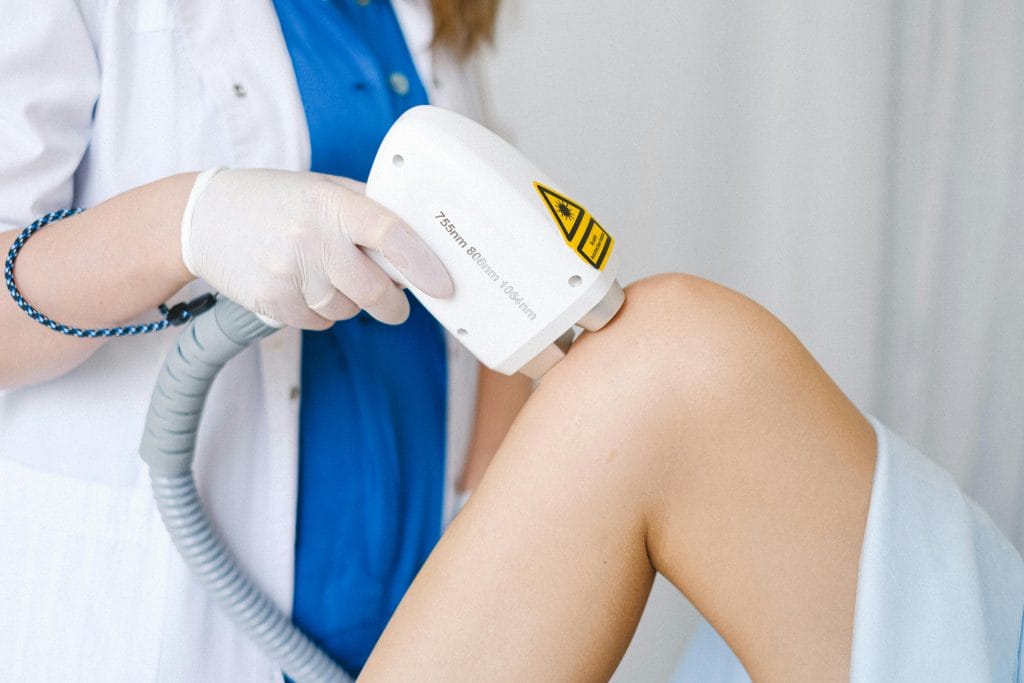
Advanced Laser Treatments for Bruising
For patients who wish to return to their daily lives more quickly, we offer specialized dermatological treatments.
- V-Beam/Vascular Lasers: These advanced lasers target the hemoglobin in the bruised area, breaking down the pigments much faster than the body can do on its own.
- Light Therapy: Using specific wavelengths of LED light, we can stimulate cellular regeneration, reducing both inflammation and discoloration.
Professional Monitoring and Support
Our clinic features a dedicated team of rehabilitologists and specialists who monitor your progress through regular follow-up appointments. This ensures that any concerns regarding bruising after surgery are addressed immediately by experts who understand the nuances of your specific procedure.
What to Avoid During Recovery
To prevent worsening your bruises, certain activities and substances should be avoided until you are cleared by your surgeon:
- Blood Thinners: Avoid medications like aspirin or ibuprofen, as well as supplements like Vitamin E, fish oil, and ginseng, which can increase bleeding and bruising.
- Strenuous Exercise: High-intensity workouts raise your blood pressure, which can cause newly healed capillaries to leak again, worsening the bruise.
- Smoking and Alcohol: Both inhibit the body’s natural healing mechanisms and can prolong the time it takes for discoloration to fade.
Conclusion
While bruising is a temporary part of the surgical journey, it doesn’t have to be a source of stress. By identifying the stages of healing and following a disciplined aftercare routine, you can support your body’s natural ability to recover.
At Banobagi, our goal is to provide you with the tools and professional care necessary to move through your recovery with confidence. Our specialized recovery systems are designed to ensure that the only thing people notice is your stunning, natural-looking result.
Begin Your Journey
Connect with our expert surgeons to discuss your goals and discover the ideal approach tailored to you.
Why Choose Banobagi?
Two decades. Thousands of procedures. One standard: if it looks done, it's not done well enough. Every Banobagi surgeon operates within a tight specialisation. Fewer procedure types, more mastery. That's the model, and it works.
We're not the only clinic in Korea. We're the one other clinics measure themselves against.


 E-MAIL
