


One of the most frequent questions patients ask after a successful procedure in the world of korean plastic surgery is: “When can I get back to the gym?” Physical fitness is a cornerstone of a healthy lifestyle and helps maintain the aesthetic improvements achieved through surgery. However, returning to a workout routine too quickly can lead to increased swelling, wound dehiscence (opening of the incision), or even internal bleeding.
A safe return to exercise is measured by healing milestones, not motivation alone. The right timeline protects incisions, limits swelling, and helps preserve the surgical result while activity is gradually reintroduced.
Why Timing is Critical for Post-Op Exercise
In the weeks following surgery, your body is using a significant amount of energy to repair tissues and close incisions. Engaging in strenuous physical activity prematurely can redirect that energy away from healing. Furthermore, exercise increases your heart rate and blood pressure, which can cause delicate, newly-healed blood vessels to leak or rupture.
A structured return to activity ensures that you stay healthy without compromising the work of your surgeon.
The Recovery Timeline: Exercise After Plastic Surgery
While every patient heals at a different rate, the following general timeline serves as a safe roadmap for most aesthetic procedures.
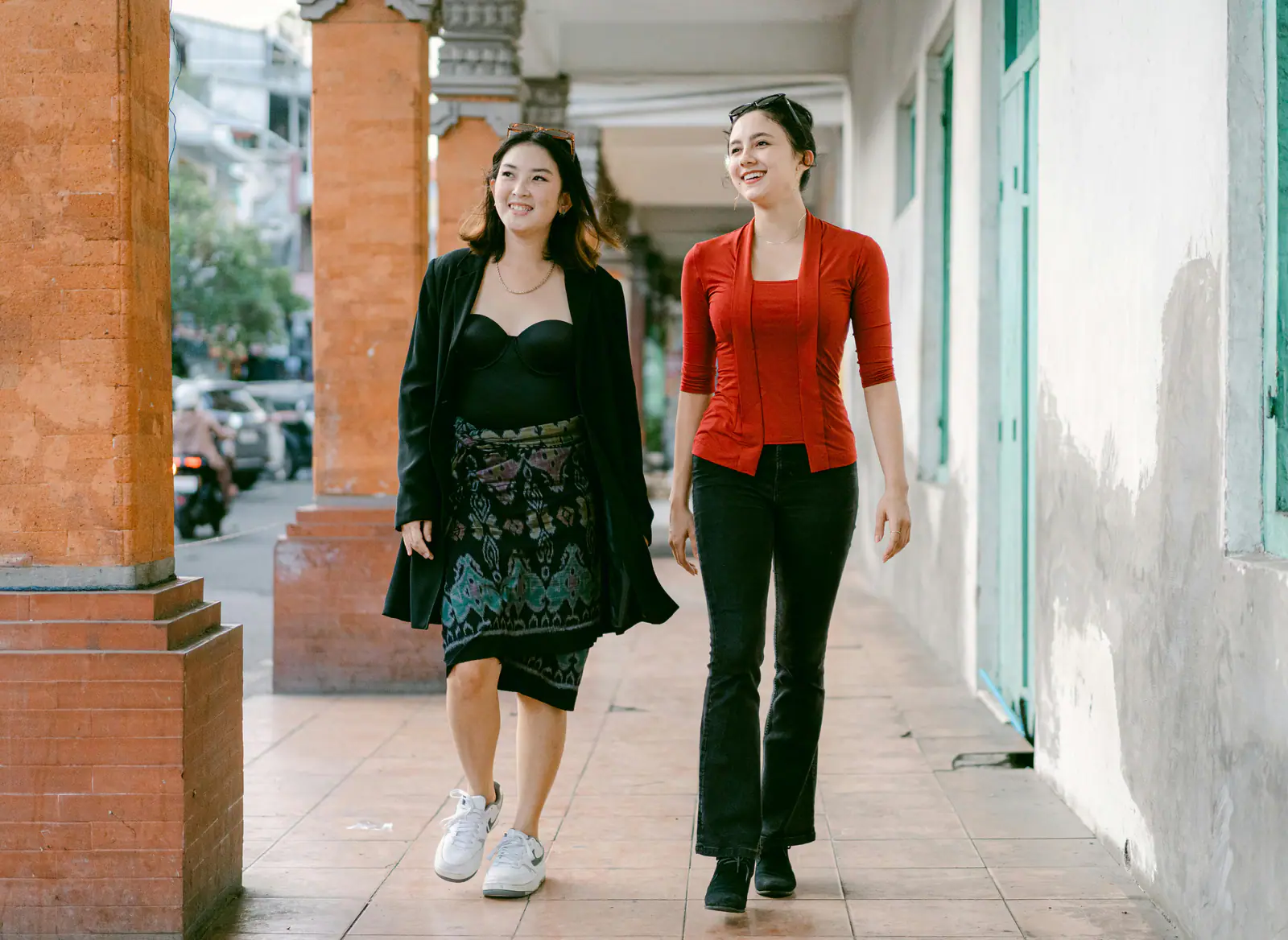
Phase 1: The First Week (Walking Only)
During the first seven days, rest is paramount. However, total bed rest is actually discouraged.
- Activity: Light walking inside your home or around the block.
- Goal: To improve circulation and prevent blood clots (deep vein thrombosis) without raising your heart rate significantly.
- Note: Avoid any lifting, even light grocery bags or small pets.
Phase 2: Weeks 2–4 (Light Aerobics)
Once your initial sutures are removed and the primary swelling after surgery begins to subside, you may be cleared for slightly more movement.
- Activity: Brisk walking or very low-impact stationary cycling.
- Goal: To regain stamina while keeping the surgical site stable.
- Constraint: Avoid any exercises that target the specific area where you had surgery (e.g., avoid arm exercises after breast surgery).
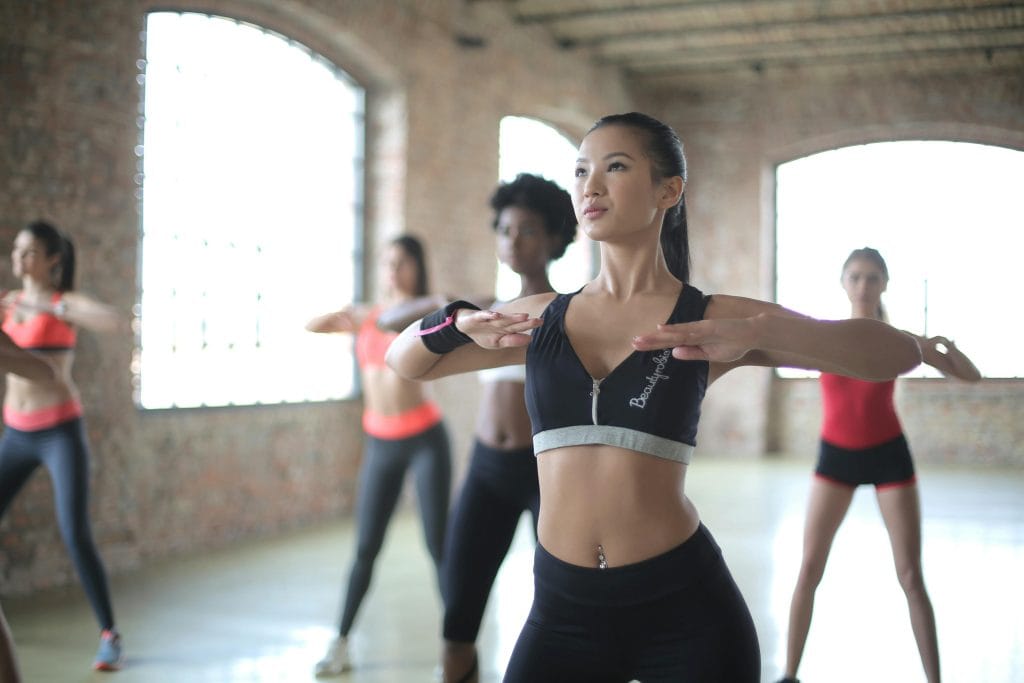
Phase 3: Weeks 4–6 (Moderate Activity)
At this stage, most internal healing is well underway.
- Activity: Light jogging, swimming (if incisions are completely closed), and low-resistance weight training.
- Goal: Gradually reintroducing higher heart rates.
- Caution: If you feel any “tugging” or discomfort at your incision site, stop immediately.
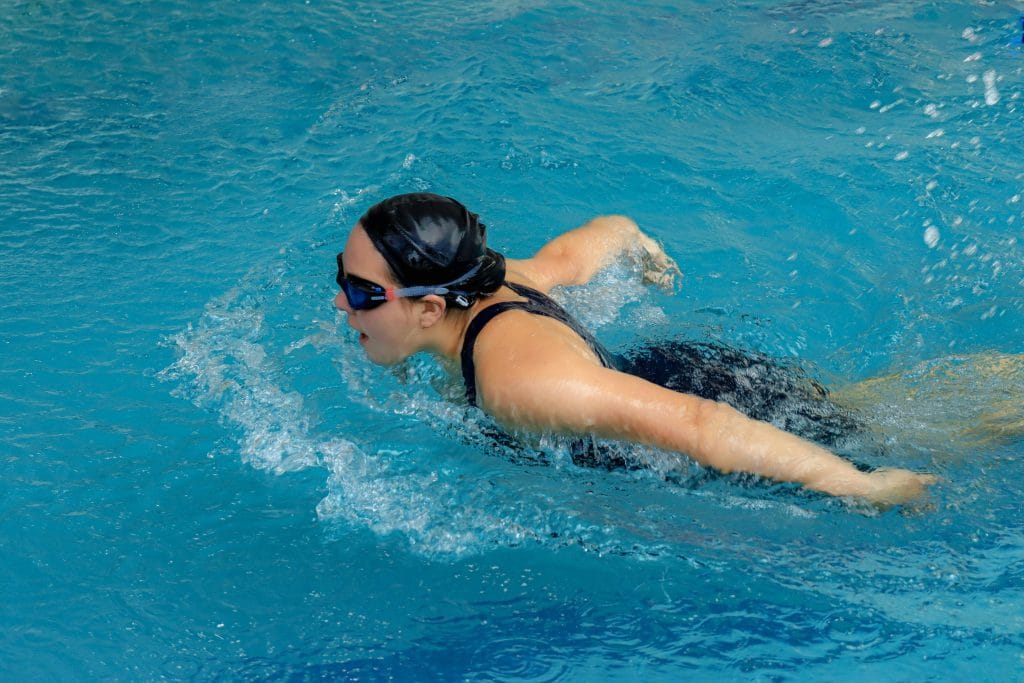
Phase 4: Week 6 and Beyond (Full Clearance)
By the six-week mark, most patients are cleared for full-intensity workouts, including heavy lifting, high-intensity interval training (HIIT), and contact sports.
Exercise Guidelines for Specific Procedures
The type of surgery you undergo dictates which movements are safe and which are not.
Facial Surgery (Rhinoplasty, Facelift)
For facial procedures, the main concern is blood pressure. Even bending over to tie your shoes can cause a rush of blood to the face, increasing swelling.
- Avoid: Yoga (specifically inversions), heavy lifting, and intense cardio for at least 3-4 weeks.
- Tip: Focus on upright, low-impact movements.
Breast and Body Procedures
Procedures like breast augmentation or tummy tucks require the most caution regarding muscle engagement.
- For Breast Surgery: Avoid any “pectoral” exercises (chest press, push-ups) for at least 2 months to prevent implant displacement.
- For Tummy Tucks: Abdominal strain can jeopardize your results. Wait until full clearance from your Banobagi specialist before performing planks or crunches.
The Banobagi Approach: Enhancing Recovery Through Care
As a premier destination for Korean plastic surgery, Banobagi Plastic Surgery Clinic provides more than just the procedure itself. Our “Total Care” system is designed to help your body handle the transition back to an active lifestyle.
1:1 Customized Aftercare
Our medical team monitors your tissue elasticity and wound healing progress at every follow-up. We provide personalized milestones for exercise after plastic surgery, so you never have to guess if a specific movement is safe for you.
Advanced Healing Technologies
To get you back to the gym faster, we utilize medical-grade recovery tools:
- Oxygen Therapy: High-pressure oxygen chambers saturate your tissues with the fuel they need to repair, shortening the duration of the “no-exercise” phase.
- High-Frequency (Indiba) Treatment: This helps soften internal scar tissue and promotes lymphatic drainage, reducing the stiffness that often prevents comfortable movement post-op.
Tips for a Safe Return to the Gym
- Listen to Your Body: Pain is your body’s way of saying “not yet.” Do not try to push through discomfort during the recovery phase.
- Wear Supportive Clothing: If you are returning to cardio, wear high-quality compression garments or supportive sports bras as recommended by our specialists to minimize tissue bounce and friction.
- Stay Hydrated: Proper hydration is essential for tissue elasticity and helps your body manage the inflammatory response to exercise.
- Monitor Your Swelling: It is normal to see a slight increase in swelling after your first few workouts. However, if the swelling persists or is accompanied by pain, scale back your intensity.
Conclusion
Exercise is a vital part of maintaining the beautiful results you achieve at Banobagi. By respecting the healing process and following a phased approach to exercise after plastic surgery, you ensure a safe transition back to your fitness goals without risking your aesthetic investment.
Trust in the expertise of your surgeons and the specialized recovery programs we provide. Your body has undergone a transformation. Give it the time it needs to heal, and it will reward you with long-lasting, stunning results.
Begin Your Journey
Connect with our expert surgeons to discuss your goals and discover the ideal approach tailored to you.
Why Choose Banobagi?
Two decades. Thousands of procedures. One standard: if it looks done, it's not done well enough. Every Banobagi surgeon operates within a tight specialisation. Fewer procedure types, more mastery. That's the model, and it works.
We're not the only clinic in Korea. We're the one other clinics measure themselves against.


 E-MAIL
